

Your skin flushes red after trying a new product. That tightness won't quit. Another "gentle" cleanser leaves you irritated and frustrated. If this sounds familiar, you're not alone, and you're definitely not stuck with these reactions forever. Building a skincare routine for sensitive skin requires more than grabbing products labeled "for sensitive types." It demands understanding what your skin actually needs and, just as importantly, what it can't tolerate.
The good news? A well-crafted routine can transform reactive, uncomfortable skin into something calm, balanced, and resilient. The key lies in choosing the right ingredients, layering products correctly, and knowing when your skin needs more, or less. Simplicity often wins when sensitivity is involved, but that doesn't mean sacrificing results.
At Beautifully Within, we believe everyone deserves skincare that works with their skin, not against it. That's why we focus on products formulated with sensitive skin in mind, gentle formulas that deliver real benefits without the redness, stinging, or flare-ups. Because looking and feeling your best shouldn't come with a side of irritation.
This guide breaks down exactly how to build your morning and evening routines step by step. You'll learn which ingredients to embrace, which to avoid, and how to layer everything for maximum effectiveness with minimum drama. Whether you're starting from scratch or refining what you already do, these practical steps will help you create a routine your sensitive skin will actually thank you for.
What sensitive skin is and what causes flare-ups
Sensitive skin isn't a skin type like oily or dry. It's a condition where your skin reacts more intensely to stimuli that don't bother most people. You might experience stinging, burning, redness, or tightness after using certain products or being exposed to environmental factors. Dermatologists estimate that up to 70% of people report having some degree of sensitive skin, making it one of the most common skin concerns worldwide.
Your skin's protective outer layer, called the stratum corneum, acts like a brick wall. When this barrier becomes compromised, irritants and allergens penetrate more easily, triggering inflammatory responses that show up as visible reactions. A healthy barrier keeps moisture locked in and harmful substances locked out. When it fails to do its job properly, your skin becomes vulnerable to everything from harsh weather to seemingly innocent skincare ingredients.
The Three Types of Skin Sensitivity
Naturally sensitive skin stems from genetics. You were born with a thinner epidermis or fewer lipids between skin cells, which means your protective barrier starts out weaker than average. This type runs in families and often comes packaged with conditions like eczema, rosacea, or psoriasis.
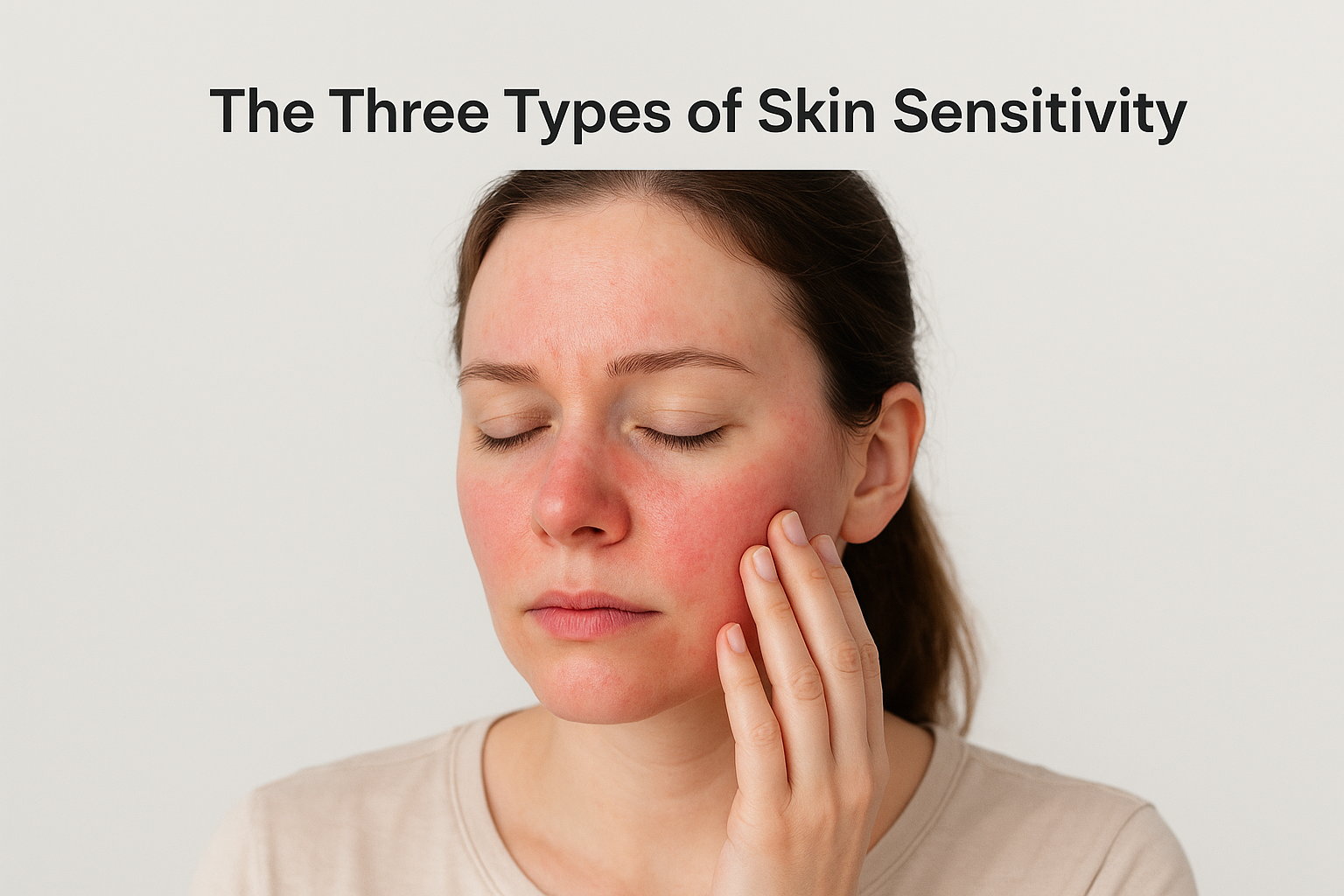
Environmentally sensitive skin develops over time due to external factors. Your barrier breaks down from repeated exposure to harsh weather, pollution, UV rays, or aggressive skincare routines. Even people who never had sensitivity issues can develop this type after years of using the wrong products or living in challenging climates.
Reactive skin responds to specific triggers like fragrances, preservatives, or certain active ingredients. Your barrier might function normally most of the time, but particular substances cause immediate reactions. This type requires careful ingredient screening and often involves trial and error to identify culprits.
Understanding which type of sensitivity you have helps you build a skincare routine for sensitive skin that targets the root cause, not just the symptoms.
Common Triggers That Cause Reactions
Fragrances top the list of irritants. Both synthetic fragrances and natural essential oils contain volatile compounds that penetrate compromised barriers easily. Products labeled "unscented" may still contain masking fragrances, while "fragrance-free" means no added scent compounds at all.
Alcohol-based products strip away natural oils and disrupt your skin's pH balance. Denatured alcohol, SD alcohol, and alcohol denat appear frequently in toners and astringents. Your skin loses moisture faster, triggering inflammation as it struggles to repair itself.
Physical irritants include rough exfoliating scrubs with jagged particles, washcloths that create too much friction, and hot water that strips protective oils. These mechanical stressors damage the barrier's structure directly, creating tiny tears that allow irritants to enter.
Environmental factors accelerate sensitivity. Extreme temperatures, low humidity, wind, and air conditioning all pull moisture from your skin. UV radiation generates free radicals that damage cell structures and weaken barrier function. Indoor heating systems create dry air that evaporates water from your skin's surface faster than it can be replaced.
How Your Skin Barrier Breaks Down
Your barrier contains ceramides, fatty acids, and cholesterol arranged in precise ratios. Think of these lipids as the mortar holding your skin cells together. When this mixture becomes imbalanced, gaps form between cells, allowing water to escape and irritants to enter.
Harsh cleansers dissolve these essential lipids. Each time you wash your face with a stripping formula, you remove some of the protective mortar. Over-exfoliation physically scrapes away the outermost layers before they're ready to shed naturally, leaving immature cells exposed at the surface.
Inflammation creates a vicious cycle. When irritants penetrate your weakened barrier, your immune system sends inflammatory signals to the area. This response generates heat, redness, and discomfort while further disrupting the barrier's structure. The more inflamed your skin becomes, the more sensitive it gets, making future reactions increasingly likely and severe.
Products with high or low pH levels throw off your skin's natural acid mantle, which typically sits around 4.5 to 5.5. Your skin needs this slightly acidic environment to maintain barrier function and keep harmful bacteria in check. Alkaline cleansers raise the pH temporarily, but repeated use prevents your skin from returning to its optimal acidic state.
Before you start: find triggers and your skin type
Starting a skincare routine for sensitive skin without understanding your specific triggers sets you up for frustration. You need to identify patterns before you invest in products. Your reactions tell a story, and recording them systematically reveals which ingredients, weather conditions, or lifestyle factors cause problems. This detective work saves you money and prevents unnecessary flare-ups down the road.
Track Your Reactions for Two Weeks
Grab a notebook or use your phone's notes app to document every product you use and how your skin responds. Write down everything that touches your face, including cleansers, moisturizers, makeup, and even hair products that might migrate to your skin. Note the time of day, what you applied, and any reactions within 24 hours.

Record environmental factors alongside product use. Did you spend time in harsh wind or direct sun? Was your bedroom unusually dry from heating? Did you eat spicy food or drink alcohol? These details matter because sensitivity often stems from multiple factors working together, not just one culprit.
Use this simple tracking template:
| Date | Product Used | Time Applied | Reaction (if any) | Other Factors |
|---|---|---|---|---|
| 2/16 | Brand X Cleanser | 8 AM | Slight redness | Cold outdoor temp |
| 2/16 | Brand Y Moisturizer | 8:15 AM | Tightness after 2 hrs | Office AC on high |
| 2/16 | Brand Z Serum | 10 PM | Stinging sensation | None noted |
Patterns emerge after consistent tracking. You might notice that products with fragrance always cause stinging, or that your skin reacts more during your menstrual cycle. Some people discover their skin tolerates certain ingredients in the morning but not at night, when their barrier function naturally weakens.
Identifying your specific triggers transforms skincare from guesswork into a strategic plan that actually works for your unique skin.
Identify Your Baseline Skin Type
Sensitivity doesn't exist in isolation. Your skin has an underlying type that influences which products work best. Test your skin type by washing your face with a gentle cleanser, patting it dry, and waiting one hour without applying anything.
Check how your skin feels and looks after that hour. Oily skin shows shine across your forehead, nose, and cheeks. Dry skin feels tight and may show flaking. Combination skin displays oil in your T-zone while your cheeks remain normal or dry. Normal skin feels comfortable without excess oil or tightness.
Understanding this baseline helps you choose appropriate products. Someone with sensitive and oily skin needs lightweight, non-comedogenic formulas, while sensitive and dry skin requires richer textures with barrier-repairing ingredients. Your sensitivity might improve dramatically once you stop using products designed for the wrong skin type, even if they're labeled "gentle."
Step 1. Build a gentle morning routine
Your morning routine sets the tone for how your skin handles the day ahead. A gentle morning approach prepares your barrier to face environmental stressors without adding unnecessary irritation. Most people with sensitive skin make their routines too complicated, layering multiple products that compete with each other and overwhelm the skin's natural defenses. The goal here is simple: cleanse lightly, hydrate, protect.
The Basic Morning Framework
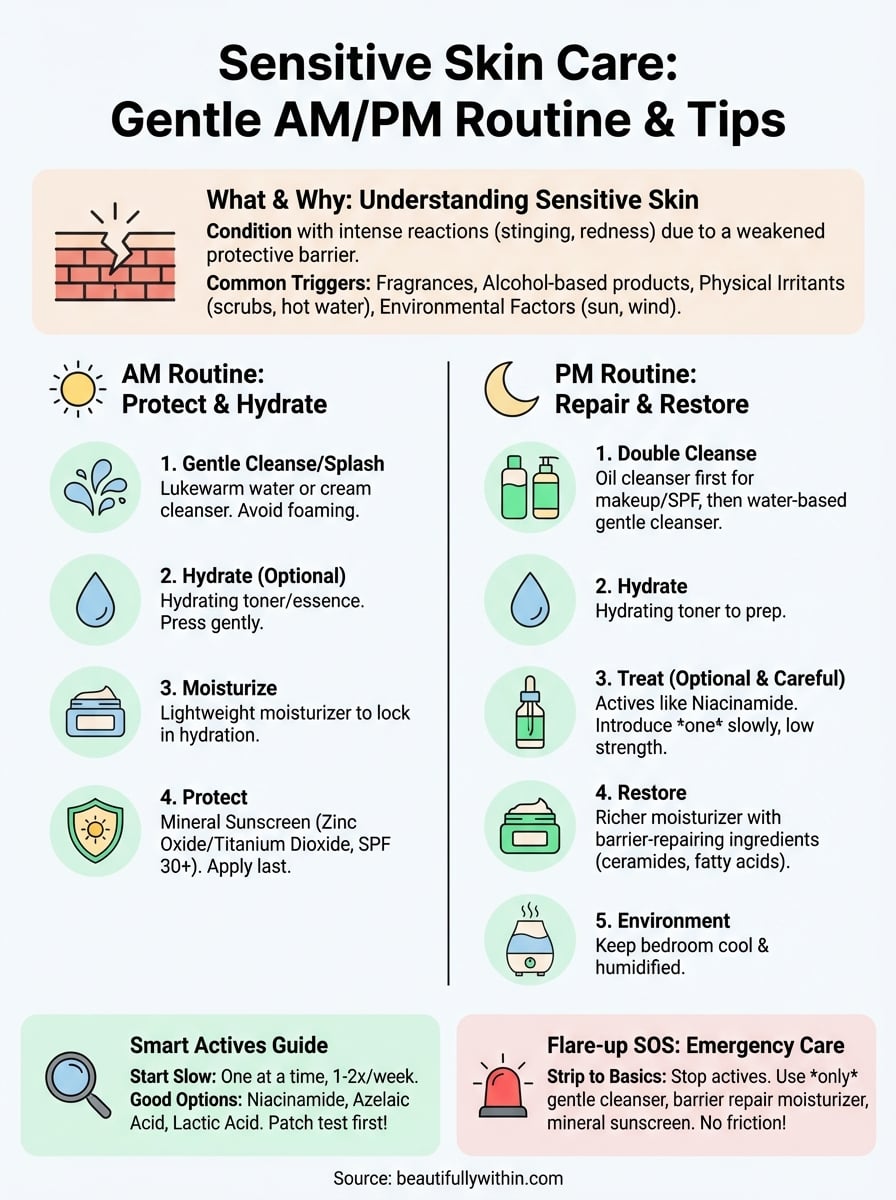
Your morning skincare routine for sensitive skin needs just three to four essential steps. Start with a gentle cleanser to remove overnight oil and product buildup. Follow with a hydrating toner or essence if your skin feels tight. Apply a lightweight moisturizer to lock in hydration, then finish with broad-spectrum sunscreen before heading out.
Skip the heavy treatments in the morning. Your skin doesn't need actives like retinol or strong exfoliants right before sun exposure. These steps belong in your evening routine when your skin enters repair mode during sleep. Morning routines should focus on protection, not transformation.
Products to Apply and How
Follow this sequence every morning for optimal results:
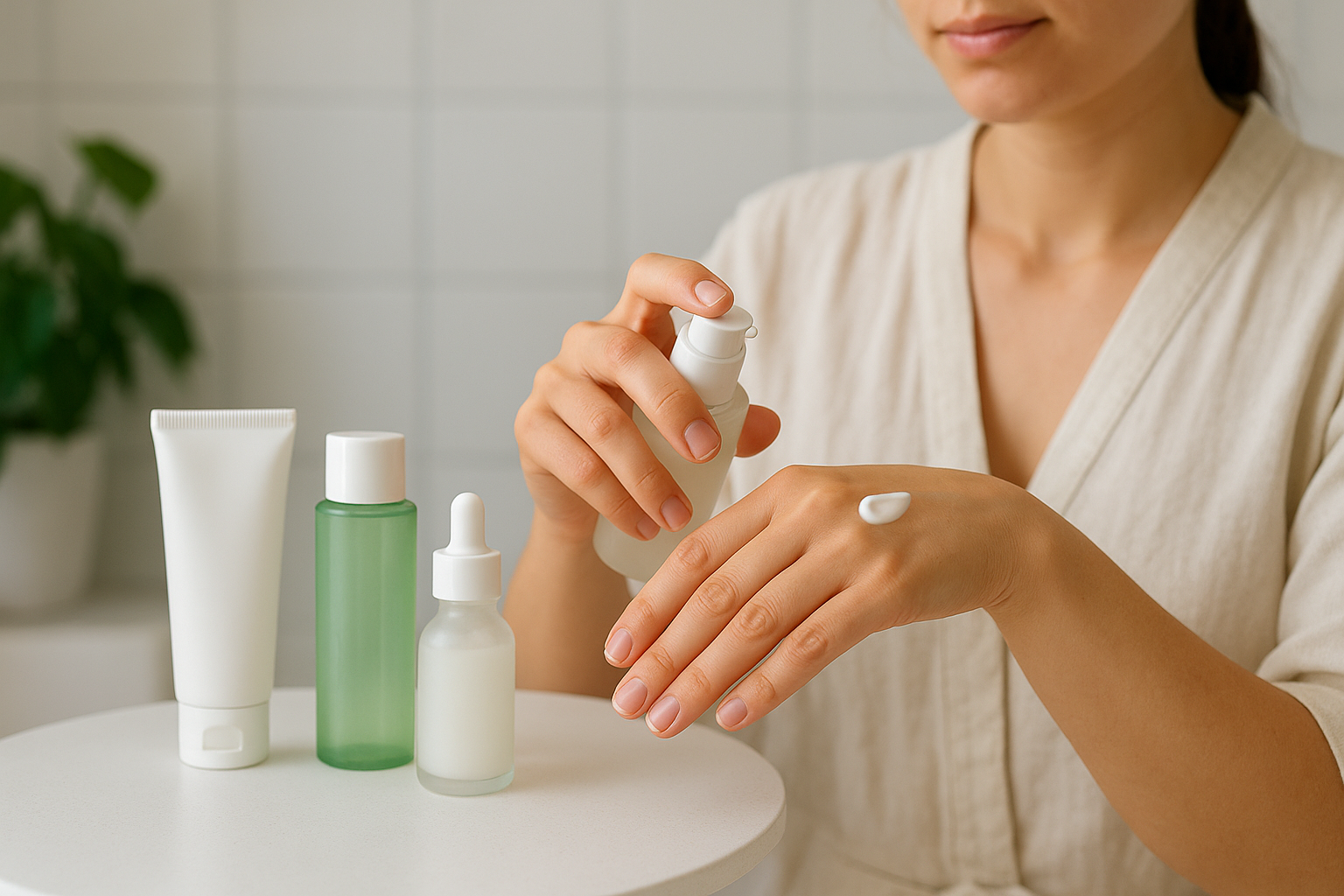
- Splash with lukewarm water or use a cream cleanser (avoid foaming formulas)
- Pat skin 80% dry with a soft towel (leave slight dampness)
- Apply hydrating toner if needed (press gently, don't rub)
- Smooth on moisturizer while skin is still slightly damp
- Wait 2-3 minutes, then apply sunscreen as your final step
Use this simple template to build your routine:
| Step | Product Type | Amount | Application Method |
|---|---|---|---|
| 1 | Cream cleanser | Dime-sized | Gentle circular motions for 30 seconds |
| 2 | Hydrating toner | 2-3 drops | Press into damp skin with palms |
| 3 | Lightweight moisturizer | Pea-sized | Pat and smooth outward |
| 4 | Mineral sunscreen SPF 30+ | Nickel-sized | Apply evenly, let set |
Building consistency with a simple morning routine prevents the barrier damage that comes from constantly changing products or skipping essential protection steps.
Timing and Application Techniques
Give each product 30 to 60 seconds to absorb before adding the next layer. Rushing through your routine causes pilling and reduces effectiveness. Your skin needs time to accept each formula, especially when your barrier runs sensitive.
Apply products with gentle pressing motions rather than rubbing or pulling. Sensitive skin reacts poorly to friction, which stimulates inflammation and breaks down the barrier further. Use your ring finger for delicate areas around your eyes since it naturally applies the least amount of pressure. Pat everything in with clean hands rather than cotton pads, which create unnecessary friction and waste product.
Temperature matters more than you think. Wash your face with water that feels neutral against your wrist, not hot or cold. Extreme temperatures shock sensitive skin and trigger flushing. Keep your bathroom at a comfortable temperature too, since moving from a steamy shower into cold air causes rapid moisture loss that leaves your barrier vulnerable throughout the day.
Step 2. Build a gentle night routine
Your nighttime routine handles the heavy lifting of repair and restoration. While morning focuses on protection, evening focuses on removing the day's buildup and giving your skin what it needs to regenerate overnight. Your barrier works harder during sleep, replacing damaged cells and producing fresh collagen without fighting environmental stressors. A thoughtful skincare routine for sensitive skin at night maximizes this natural repair window without triggering inflammation.
What Makes Night Different from Morning
Your skin behaves differently after dark. Cell turnover accelerates while you sleep, peaking between 11 PM and midnight. Blood flow increases to your face, delivering oxygen and nutrients that support healing. This makes nighttime the ideal window for richer moisturizers and targeted treatments that would feel too heavy during the day.
Evening routines require thorough cleansing since you're removing accumulated dirt, oil, pollution, and product buildup. Your morning routine only tackles overnight sebum, but your nighttime cleanse needs to work harder. Proper cleansing prevents clogged pores and prepares your skin to absorb treatment products effectively.
The Nighttime Cleansing Method
Start with an oil-based cleanser if you wear makeup or sunscreen. These formulas dissolve waterproof products without harsh rubbing that damages sensitive skin. Massage the oil cleanser onto dry skin for 30 to 60 seconds, then rinse with lukewarm water. This first cleanse removes surface buildup.
Follow with a gentle water-based cleanser to remove any remaining residue. Apply to damp skin and massage for another 30 seconds using light circular motions. Rinse thoroughly and pat dry, leaving your skin slightly damp for the next steps.
Double cleansing protects sensitive skin by removing everything gently rather than scrubbing harder with one aggressive product that strips your barrier.
Layer Your Products Correctly
Apply treatments from thinnest to thickest consistency. This sequence allows each product to penetrate properly:
| Step | Product Type | When to Apply | Purpose |
|---|---|---|---|
| 1 | Oil cleanser | On dry skin | Remove makeup/sunscreen |
| 2 | Water cleanser | On damp skin | Clean remaining residue |
| 3 | Hydrating toner | After cleansing | Prep and hydrate |
| 4 | Treatment serum | On damp skin | Target specific concerns |
| 5 | Night moisturizer | Last step | Lock everything in |
Wait one to two minutes between each product. Your skin absorbs formulas better when you give it time to process each layer. Rushing creates product pilling and reduces effectiveness. Use slightly more moisturizer at night than morning since you don't need to worry about makeup application or a matte finish.
Keep your bedroom cool and use a humidifier if your air runs dry. Your skin loses moisture overnight in heated or air-conditioned rooms, which counteracts the benefits of your carefully applied products. Aim for 40 to 50 percent humidity and temperatures between 60 to 67 degrees Fahrenheit for optimal skin repair.
Step 3. Add actives without irritating your skin
Once your basic skincare routine for sensitive skin feels stable and comfortable, you can introduce active ingredients that target specific concerns. These powerful compounds deliver results like improved texture, reduced hyperpigmentation, and anti-aging benefits, but they also carry the highest risk of triggering reactions when used incorrectly. The difference between seeing improvements and experiencing a flare-up comes down to how you introduce these ingredients, not whether your skin can handle them at all.
Start with One Active at a Time
Introducing multiple actives simultaneously makes it impossible to identify which ingredient causes problems if reactions occur. Add one new active and use it consistently for two to three weeks before introducing anything else. This waiting period gives your skin time to adjust and shows you exactly how it responds.
Start with the lowest concentration available. If you want to try retinol, begin with 0.25% rather than jumping to 1%. Products formulated for sensitive skin often provide gentler delivery systems that release actives slowly, reducing the shock to your barrier. You can always increase strength later if your skin tolerates the lower dose well.
Your skin builds tolerance to actives gradually, so patience during the introduction phase prevents the setbacks that come from pushing too hard too fast.
The Best Actives for Sensitive Skin
Niacinamide tops the list for sensitive types because it strengthens your barrier while reducing inflammation. Use products with 3 to 5% niacinamide to see benefits without irritation. This ingredient plays well with almost everything else in your routine.
Azelaic acid offers anti-inflammatory and brightening benefits that suit reactive skin better than harsh alternatives. Start with 10% formulas applied every other night. It targets redness, acne, and uneven tone without the dryness that stronger acids cause.
Gentle chemical exfoliants like lactic acid or mandelic acid work better than physical scrubs or stronger AHAs. These larger molecules penetrate more slowly, giving you the cell turnover benefits of exfoliation without the raw, stripped feeling that damages sensitive barriers. Begin with 5% lactic acid once weekly.
Retinoids require the most caution but deliver proven anti-aging results. Choose retinaldehyde or encapsulated retinol formulas designed for sensitive skin. Apply a pea-sized amount twice weekly for the first month, always at night, and increase frequency only if you experience zero irritation.
How to Phase Actives into Your Routine
Use this introduction schedule to minimize reactions:
| Week | Application Frequency | What to Watch |
|---|---|---|
| 1-2 | Once per week | Any redness, stinging, or flaking |
| 3-4 | Twice per week | Persistent tightness or dryness |
| 5-6 | Every other night | Changes in skin texture |
| 7+ | Nightly (if tolerated) | Overall barrier health |
Apply actives after cleansing and before moisturizer. Wait three to five minutes between your active and moisturizer to let the treatment absorb fully. Sandwich particularly strong actives between two layers of moisturizer if your skin needs extra protection during the adjustment period.
Step 4. Choose a sunscreen that will not sting
Sunscreen protects your skin from UV damage, but finding one that doesn't burn or irritate sensitive skin feels like an impossible task. That stinging sensation happens when chemical filters penetrate compromised barriers or when formulas contain alcohol and fragrances that inflame reactive skin. The right sunscreen becomes your most important protective step in any skincare routine for sensitive skin, yet it's often the product people struggle with most.
Why Most Sunscreens Trigger Reactions
Chemical sunscreen filters like avobenzone, oxybenzone, and octinoxate absorb UV rays by converting them to heat. This conversion process generates warmth in your skin, which triggers inflammation in sensitive types who already run reactive. The heat also increases blood flow to the surface, causing that characteristic flush and burning sensation.
Alcohol-heavy formulations strip moisture from your barrier while helping the product dry quickly. Manufacturers add SD alcohol and denatured alcohol to create lightweight, non-greasy finishes that appeal to most users. Your sensitive skin pays the price with immediate stinging and long-term barrier damage that makes future reactions worse.
Mineral sunscreens sit on top of your skin and physically block UV rays without generating heat or requiring absorption through your barrier, making them the safest choice for reactive skin.
The Mineral Sunscreen Advantage
Look for formulas listing zinc oxide or titanium dioxide as the only active ingredients. These minerals reflect and scatter UV rays before they penetrate your skin. Start with zinc oxide concentrations between 15 and 25 percent, which provide adequate protection without the thick, chalky texture that makes some people avoid mineral formulas.
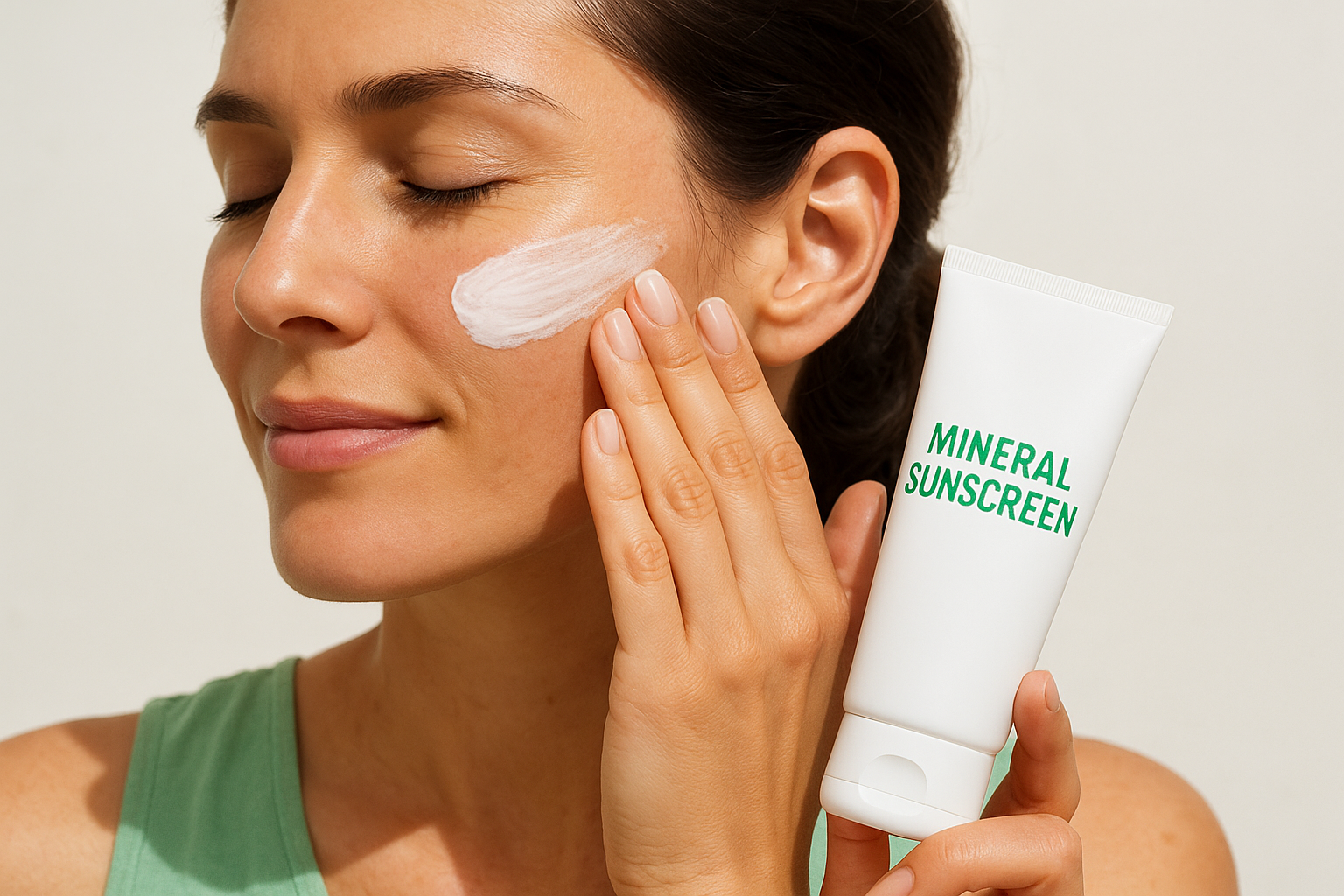
Modern mineral sunscreens use micronized particles that blend better than older versions. Tinted formulas eliminate the white cast problem while providing extra coverage for redness. Choose products specifically labeled "for sensitive skin" or "fragrance-free" to avoid common irritants hiding in the inactive ingredient list.
Application Techniques That Prevent Stinging
Apply sunscreen to completely dry skin after your moisturizer absorbs fully. Putting sunscreen on damp or freshly moisturized skin dilutes the protection and increases irritation as ingredients interact unpredictably. Wait three to five minutes after your last skincare step before reaching for SPF.
Use this checklist when selecting your sunscreen:
- Contains only zinc oxide or titanium dioxide
- Lists "fragrance-free" (not just "unscented")
- Includes no alcohol in top 10 ingredients
- Has SPF 30 to 50 (higher isn't necessary)
- Provides broad-spectrum protection
- Contains barrier-supporting ingredients like ceramides or niacinamide
- Comes in a cream or lotion base (avoid sprays)
Reapply every two hours of sun exposure using gentle patting motions. Press the product into your skin rather than rubbing, which creates friction that damages your barrier and pushes irritating ingredients deeper into compromised areas.
Step 5. Fix your skin barrier during a flare-up
Flare-ups happen even when you follow a careful skincare routine for sensitive skin. Your barrier breaks down from stress, weather changes, new products, or accumulated damage from multiple small irritations. Recognizing a compromised barrier early and taking immediate action prevents weeks of discomfort and stops the inflammation cycle before it spirals into something worse.
Signs Your Barrier Needs Emergency Care
Your skin tells you exactly when it needs help. Persistent stinging or burning from products that normally feel fine signals barrier damage. Water hitting your face in the shower shouldn't hurt, yet during a flare-up, even plain water causes discomfort.
Visual symptoms include redness that won't fade, unusual dryness with tight patches, and increased sensitivity to touch. You might notice more breakouts than usual since bacteria penetrate damaged barriers easily. Flaking or peeling appears even when you moisturize regularly. These signs mean your protective layer has compromised its structure and needs focused repair work immediately.
Your barrier can't repair itself while you continue using the products that damaged it, so the first step in healing requires removing irritants completely.
Strip Your Routine to Bare Essentials
Stop using all actives immediately. Remove retinoids, acids, vitamin C, and any treatment products from your routine until your skin feels comfortable again. These ingredients require intact barriers to work properly and only cause more damage when your skin runs compromised.
Cut your routine down to three steps: gentle cleanser, repair moisturizer, and sunscreen during the day. Use this emergency protocol until symptoms resolve:
| Morning | Evening |
|---|---|
| Splash with lukewarm water (skip cleanser if possible) | Cream cleanser only |
| Barrier repair moisturizer | Same barrier repair moisturizer |
| Mineral sunscreen | Nothing else |
The Repair Protocol That Works
Choose products with ceramides, cholesterol, and fatty acids in ratios that match your natural barrier composition. These three ingredients work together to rebuild the mortar between your skin cells. Look for formulas listing ceramide 1, 3, and 6-II specifically, as these versions mimic your skin's natural ceramides most closely.
Apply your repair moisturizer to damp skin within 60 seconds of cleansing. Pat it on gently rather than rubbing, using more product than you normally would. Layer a second application after the first absorbs if your skin still feels tight. Sleep with a humidifier running to prevent overnight moisture loss that undoes your repair work.
Expect improvement within three to five days if you stick to this simplified routine. Your skin should feel less reactive and look less red. Reintroduce regular products one at a time after symptoms disappear completely, waiting three days between each addition to ensure your barrier handles the change.
Common mistakes and quick answers to FAQs
Understanding what not to do matters just as much as following the right steps. Most people damage their sensitive skin through well-intentioned mistakes that seem harmless at first. These errors compound over time, weakening your barrier and making your skin increasingly reactive to products that should work fine. Recognizing these pitfalls helps you avoid months of frustration and wasted money on products your skin will never tolerate.
Mistakes That Make Sensitivity Worse
Over-cleansing ranks as the number one barrier destroyer. Washing your face more than twice daily strips away protective oils faster than your skin replaces them. You might feel cleaner, but you're actually creating microscopic damage with every extra wash. Stick to morning and evening cleanses only, and skip the morning cleanser entirely if your skin feels tight.
Mixing too many actives creates chemical chaos that sensitive skin can't handle. Using vitamin C in the morning and retinol at night while adding an AHA toner sounds efficient, but your barrier can't manage this assault. Choose one active and master it completely before adding another. Your skin builds strength through consistency, not variety.
Testing multiple new products simultaneously makes troubleshooting impossible. When your face breaks out or turns red, you can't identify which product caused the reaction. Introduce one new item every two weeks minimum, keeping everything else constant in your skincare routine for sensitive skin during that testing window.
Your skin needs time to show its true response to each product, so patience during the testing phase prevents the costly cycle of buying and discarding products that might have worked with proper introduction.
Quick Answers to Your Top Questions
Common questions deserve straightforward answers based on what actually works:
| Question | Answer |
|---|---|
| Can I use retinol with sensitive skin? | Yes, start with 0.25% retinaldehyde twice weekly and increase slowly over months |
| How long until I see improvement? | 4-6 weeks for barrier repair, 8-12 weeks for visible concerns like texture or tone |
| Should I exfoliate? | Yes, but use lactic acid or mandelic acid once weekly maximum |
| Do I need a separate eye cream? | No, your facial moisturizer works fine unless you want targeted treatment |
| Can I wear makeup during flare-ups? | Mineral powder foundation only, skip liquid formulas until symptoms clear |
| How much product should I use? | Pea-sized for moisturizer, nickel-sized for sunscreen, dime-sized for cleanser |
A simple plan you can stick with
Building a skincare routine for sensitive skin doesn't require dozens of products or complicated layering schemes. You succeed by choosing gentle formulas, introducing changes slowly, and listening to what your skin tells you through its reactions. The routine that works best is the one you can maintain consistently without second-guessing every product or dreading your morning and evening rituals.
Your skin improves when you stick with basics that support your barrier rather than chasing trendy actives that promise overnight transformations. Focus on cleansing without stripping, moisturizing with barrier-repairing ingredients, and protecting with mineral sunscreen daily. These three non-negotiables create the foundation that allows your sensitive skin to thrive.
Ready to find products that actually work for reactive skin? Explore our curated skincare collection featuring gentle formulas designed for sensitive types. Every product is selected to deliver real results without the irritation, because looking and feeling your best shouldn't come with redness, stinging, or constant flare-ups.
✨ Shop the Look at Beautifully Within
Loved this guide? Discover our hand-picked picks that pair perfectly with your routine:
- 👉 Fresh Start Hydrating Cleanser & Toner Duo — Skincare Set
- 👉 Ayurvedic Facial Cleansing & Mask Ritual Kit — Skincare Set
- 👉 Tridoshic Ayurvedic Ritual Set — Balanced & Combination Skin — Skincare Set
- 👉 Bakuchiol Gentle Retinol Alternative Serum — Serum
New customer? Get 15% off orders $50+ with code WITHIN15 — plus free shipping over $75.
0 comments