

Skincare is the practice of taking care of your skin through cleansing, moisturizing, treating, and protecting it from damage. It goes beyond just washing your face in the morning. Your skin is your body's largest organ, and how you care for it directly affects both its health and your confidence. A good skincare routine helps prevent problems like acne, dryness, and premature aging while keeping your skin looking fresh and feeling comfortable every day. Whether you deal with breakouts, sensitivity, or signs of aging, the right products and routine can make a real difference in how your skin looks and feels.
This article breaks down everything you need to know about skincare. You'll learn why it matters for your health and confidence, how to build a simple routine that actually works for your lifestyle, which products match your specific skin type and concerns, and what ingredients deliver real results. We'll also show you the best places to buy quality skincare products online so you can start taking better care of your skin today.
Why skincare matters for your skin and confidence
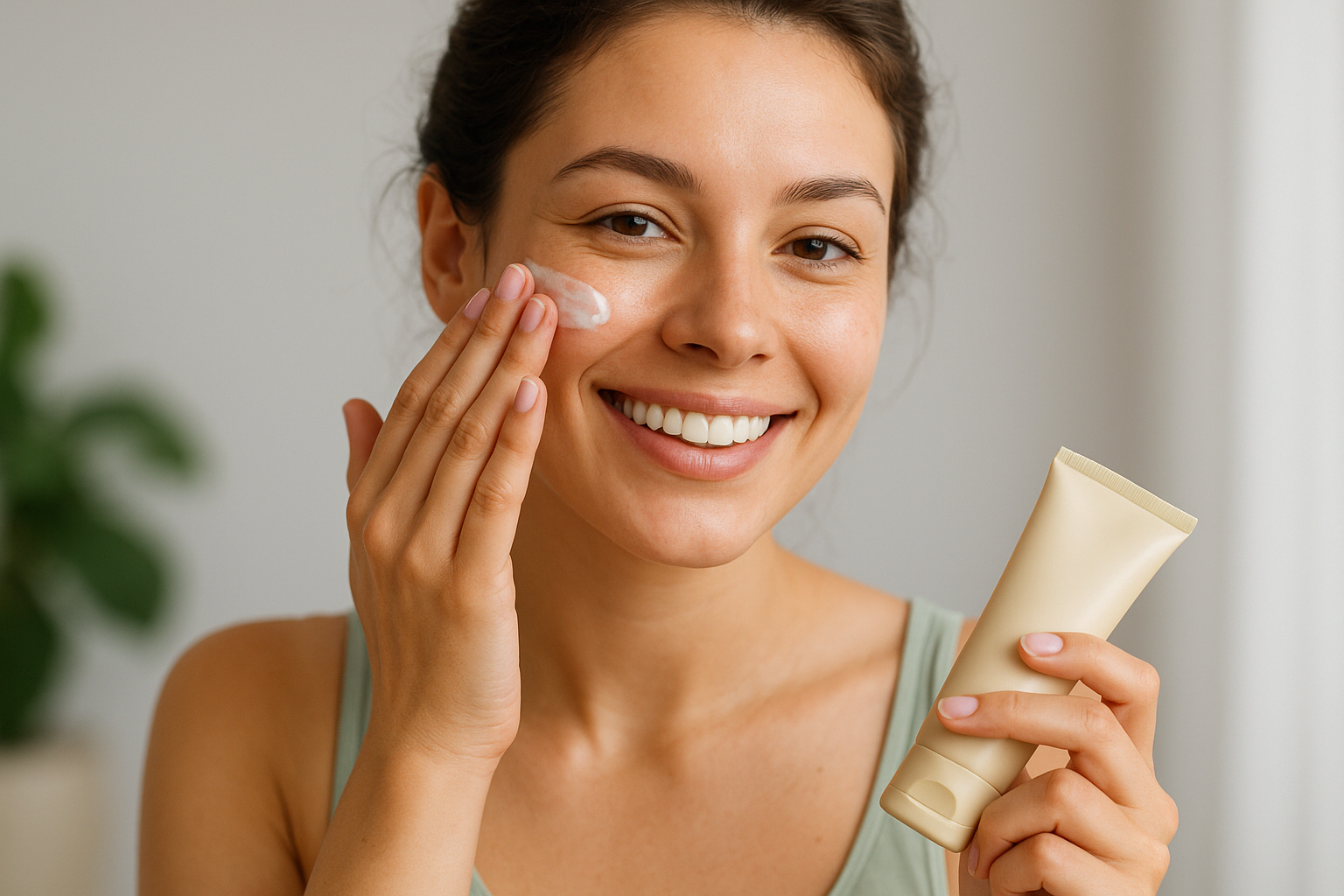
Your skin acts as a protective barrier against everything you encounter each day, from pollution and sun damage to bacteria and harsh weather. When you neglect this barrier, you increase your risk of premature aging, acne breakouts, inflammation, and even long-term damage that becomes harder to reverse as you get older. Taking care of your skin isn't vanity. It's health maintenance that pays off in both the short and long term, keeping your complexion clear, resilient, and balanced.
The health protection your skin needs
Proper skincare strengthens your skin's natural defenses and helps it function the way it should. Regular cleansing removes dirt and bacteria that can clog pores and trigger infections or irritation. Moisturizing prevents dryness and cracking that leave your skin vulnerable to environmental stressors. Sunscreen protects against UV rays that cause not just wrinkles but also skin cancer. These steps aren't optional if you want healthy skin that ages well and handles daily stress without breaking down.
How your appearance affects how you feel
The connection between your skin and your confidence runs deeper than you might realize. When your skin looks clear and feels comfortable, you stop worrying about hiding blemishes or dealing with constant discomfort. You feel more willing to engage with others, take photos, and show up without layers of heavy makeup. Bad skin affects your mood and self-esteem in ways that ripple through your entire day, from how you present yourself at work to how comfortable you feel in social situations.
Taking control of your skincare routine gives you control over how you look and feel every single day.
People notice when you invest in yourself. That investment shows up as smoother texture, better tone, and the kind of natural glow that no amount of makeup can fake.
How to build a simple skincare routine
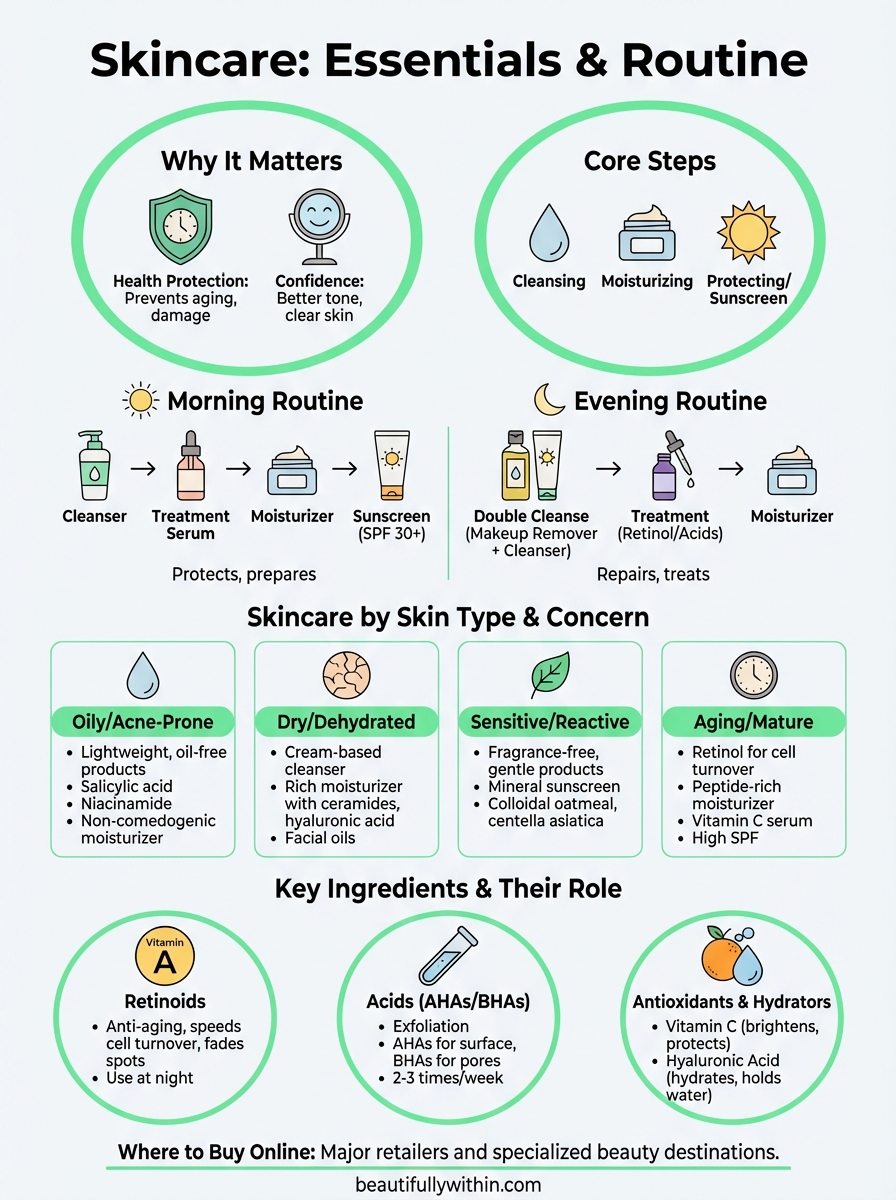
Building an effective skincare routine doesn't require dozens of products or a complicated system. You need three to five core steps that you can stick with consistently, morning and evening. The key is understanding what each step does and applying products in the right order so they actually work. Start with the basics and add treatments only after you've established a foundation that keeps your skin clean, hydrated, and protected. Consistency beats complexity every time when it comes to seeing real results.
Morning routine basics
Your morning routine protects your skin throughout the day and prepares it to face environmental stressors. Start with a gentle cleanser to remove oils and any products from the night before, then pat your face dry with a clean towel. Apply a treatment serum if you use one, followed by a moisturizer that suits your skin type. The final and most critical step is sunscreen with at least SPF 30, which you need to apply every single morning regardless of the weather or whether you plan to go outside. UV rays penetrate windows and cause damage even on cloudy days.
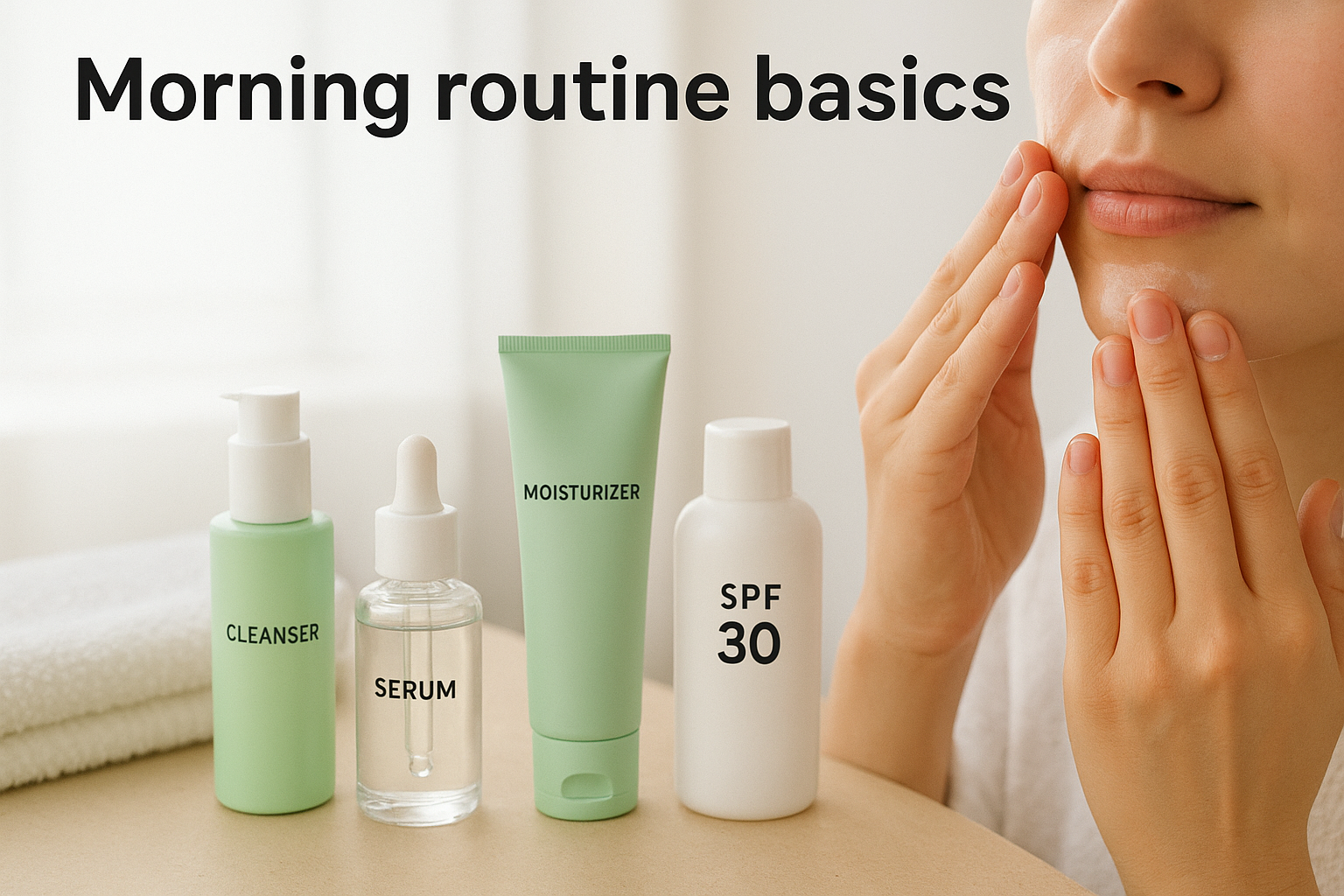
Morning routines should take five minutes or less once you get the hang of it. You don't need to wait long periods between steps unless a product's instructions specifically say so.
Evening routine essentials
Evening skincare focuses on repair and treatment because your skin does most of its healing work while you sleep. Remove all makeup and sunscreen first with either a cleansing oil or micellar water if you wore heavy products, then follow with your regular cleanser to get everything off. This double cleansing method ensures you start with completely clean skin before applying treatments. After cleansing, apply any treatment products like retinol or exfoliating acids, then lock everything in with a moisturizer that's slightly richer than what you use in the morning.
Your skin repairs itself overnight, so evening routines give you the best return on your skincare investment.
Skip the sunscreen at night since you don't need it, but never skip the moisturizer even if your skin feels oily.
How often to use each product
You use your cleanser and moisturizer twice daily, morning and night, without exception. Sunscreen goes on every morning after your moisturizer, and you need to reapply it every two hours if you're spending time outdoors. Treatment products like retinol work best when used three to four times per week initially, then you can increase frequency as your skin adjusts. Exfoliating products should appear in your routine only two to three times weekly to avoid irritation and damage. Face masks and intensive treatments fit in once or twice a week depending on what they do and how your skin responds. Pay attention to how your skin feels and adjust frequency based on results rather than following rigid schedules that don't account for your individual needs.
Skincare essentials by skin type and concern
Your skin type determines which products will work best for you and which ones will cause more problems than they solve. Using products designed for oily skin when you have dry skin leads to irritation and worse results, just like heavy moisturizers clog pores if you're already dealing with excess oil. Understanding your skin type and specific concerns helps you choose the right products that actually address your needs instead of fighting against your skin's natural state. Once you identify whether your skin is oily, dry, sensitive, or aging, you can build a targeted skincare routine that delivers real improvements.
For oily and acne-prone skin
Oily skin produces excess sebum that leads to shine, enlarged pores, and frequent breakouts. You need lightweight, oil-free products that control oil production without stripping your skin so much that it overcompensates by making even more oil. A gel-based or foaming cleanser removes excess oil without leaving residue, while a salicylic acid treatment penetrates pores to clear out the buildup that causes acne. Your moisturizer should be water-based and labeled non-comedogenic to hydrate without adding heaviness.
Skip thick creams and oils that sit on your skin's surface and trap bacteria. Look for products with niacinamide to reduce oil production and benzoyl peroxide to kill acne-causing bacteria.
For dry and dehydrated skin
Dry skin feels tight, looks flaky, and sometimes develops rough patches that makeup emphasizes rather than covers. Cream-based cleansers work better than foaming ones because they don't strip away the limited natural oils your skin produces. You need a rich moisturizer with ceramides and hyaluronic acid that locks in hydration and repairs your skin's moisture barrier. Layer a facial oil over your moisturizer at night to seal everything in and wake up with softer, more comfortable skin.
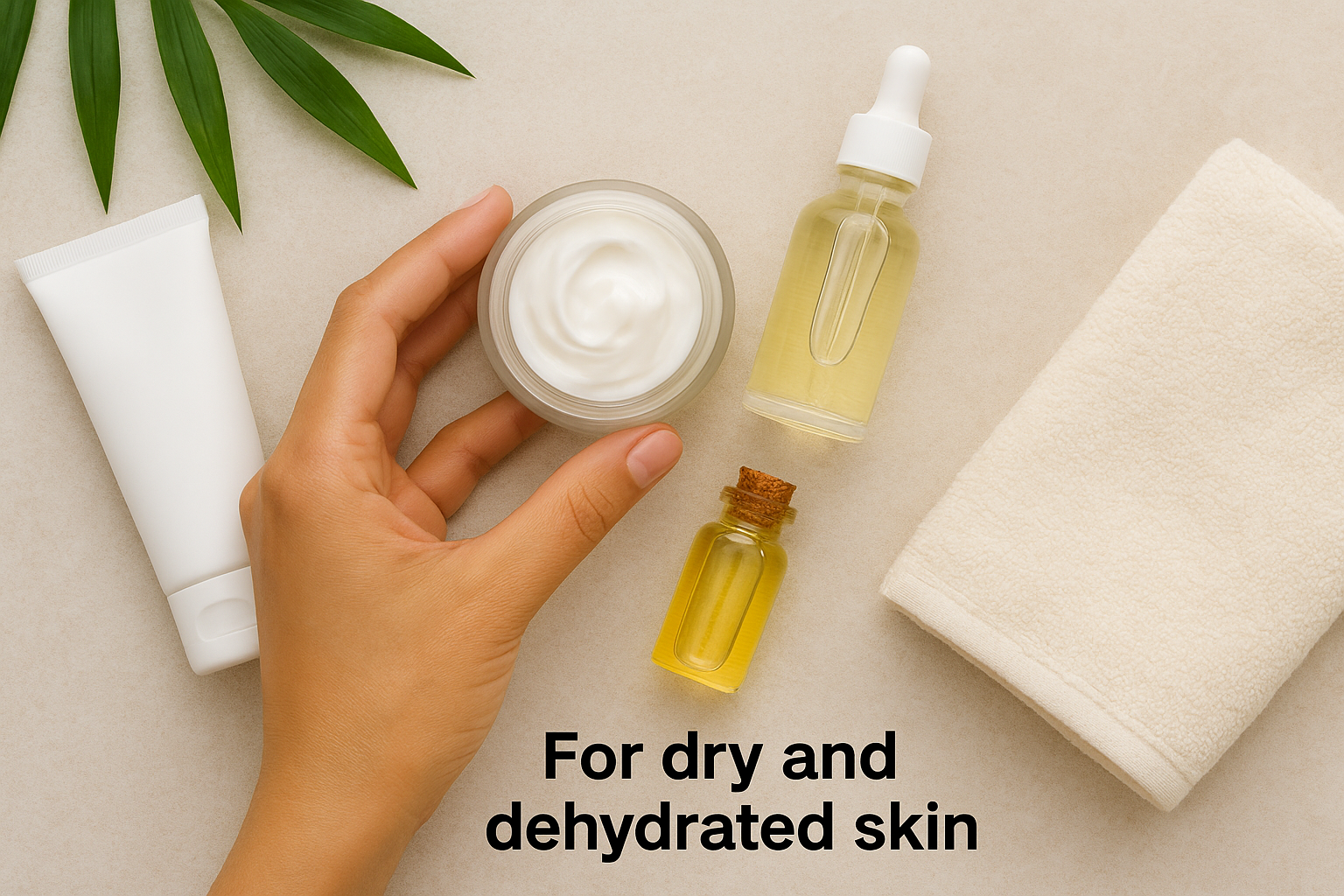
The difference between dry and dehydrated skin matters: dry skin lacks oil, while dehydrated skin lacks water, and both need different solutions.
Products with petroleum jelly or shea butter provide the heavy-duty moisture that dry skin requires to stay healthy.
For sensitive and reactive skin
Sensitive skin reacts to products with redness, burning, itching, or breakouts that appear seemingly out of nowhere. Fragrance-free products reduce your risk of irritation since synthetic fragrances cause more reactions than almost any other ingredient. You need a gentle, creamy cleanser that doesn't foam and a simple moisturizer with minimal ingredients like colloidal oatmeal or centella asiatica that calm inflammation. Introduce new products one at a time and wait two weeks before adding anything else so you can identify what triggers your reactions.
Avoid products with alcohol, essential oils, or long ingredient lists full of botanical extracts. Mineral sunscreens with zinc oxide or titanium dioxide work better for sensitive skin than chemical sunscreens that can sting and irritate.
For aging and mature skin
Aging skin shows fine lines, wrinkles, loss of firmness, and uneven tone from years of sun exposure and natural collagen breakdown. Retinol remains the most proven anti-aging ingredient that stimulates collagen production and speeds cell turnover to reveal fresher skin underneath. You need a peptide-rich moisturizer that supports skin structure and a vitamin C serum that brightens dark spots while protecting against further damage. These ingredients work together to address multiple signs of aging at once rather than targeting just one concern.
Mature skin also tends toward dryness, so choose richer textures than you used when you were younger. Sunscreen becomes even more critical because aging skin repairs damage more slowly and accumulates more sun exposure over time.
Key ingredients to look for in skincare products
The ingredients in your skincare products matter far more than brand names or fancy packaging. Active ingredients deliver the actual results you see and feel on your skin, while inactive ingredients just hold everything together. Understanding which ingredients address your specific concerns helps you cut through marketing hype and choose products that actually work. You don't need to memorize a chemistry textbook, but knowing five to seven key ingredients transforms you from someone who buys randomly to someone who shops with purpose and gets real results.
Retinoids for anti-aging and cell turnover
Retinoids, including prescription tretinoin and over-the-counter retinol, remain the gold standard for fighting signs of aging. These vitamin A derivatives speed up cell turnover, which reduces fine lines, fades dark spots, and improves skin texture by bringing fresh cells to the surface faster. Start with a low concentration like 0.25% or 0.3% retinol and use it only twice per week initially to avoid the irritation that makes people quit before seeing results. Your skin needs time to adjust, usually three to four months, before you notice significant improvements.
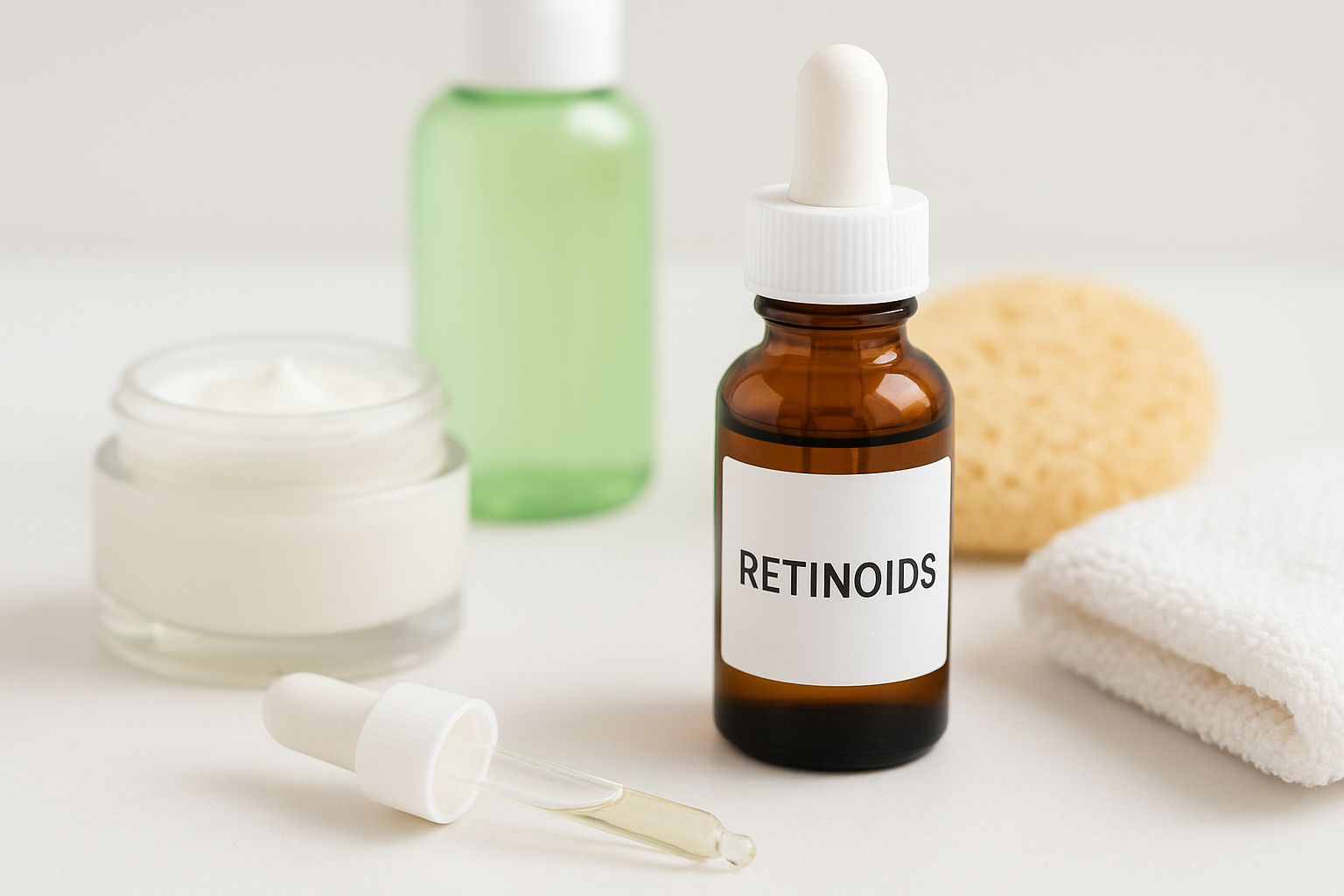
Retinoids deliver proven anti-aging results that no other ingredient category can match.
Products with retinol work best when applied at night since sunlight breaks down the active ingredient and reduces its effectiveness.
Acids for exfoliation and brightening
Chemical exfoliants dissolve dead skin cells more effectively than physical scrubs that can scratch and damage your skin. AHAs like glycolic and lactic acid work on your skin's surface to smooth texture and fade dark spots, making them ideal for dry or sun-damaged skin. BHAs like salicylic acid penetrate into pores to clear out oil and debris, which makes them perfect for oily and acne-prone skin types. Use acids two to three times per week, never on the same night as retinol, and always follow with sunscreen the next morning since they increase sun sensitivity.
Antioxidants and hydrators for protection and moisture
Vitamin C brightens your complexion, fades hyperpigmentation, and protects against free radical damage from pollution and UV exposure. Look for L-ascorbic acid in concentrations between 10% and 20% for the best results, and store it in a dark bottle away from light and heat that break down its potency. Hyaluronic acid holds up to 1,000 times its weight in water, making it the most effective hydrating ingredient for all skin types. Niacinamide reduces oil production, minimizes pores, and calms inflammation without causing irritation, which makes it safe to use with almost every other ingredient in your routine. These ingredients work together to protect your skin while keeping it hydrated and balanced throughout the day.
Where to buy skincare online
Shopping for skincare online gives you access to thousands of products at competitive prices without leaving your home. You can compare ingredients, read detailed reviews, and find products that match your specific skin type and concerns more easily than browsing store shelves. Major retailers offer free shipping thresholds and return policies that protect your purchase if a product doesn't work for your skin. The key is knowing which sites carry quality products and provide accurate descriptions so you buy with confidence.
Major retailers and marketplaces
Amazon stocks virtually every skincare brand from drugstore favorites to luxury options, with customer reviews that help you understand how products perform in real-world use. Sephora and Ulta specialize in beauty products and offer points programs that reward repeat purchases with discounts and free samples. These established retailers verify product authenticity and handle returns smoothly, which matters when you're trying new products that might not suit your skin.
Specialized beauty destinations
Sites like Beautifully Within focus specifically on skincare, haircare, and beauty products with curated selections for sensitive skin types. You find collections organized by concern rather than wading through irrelevant products, plus free shipping on orders over $100 makes stocking up on your routine more affordable. Specialized retailers often carry brands you won't find at general marketplaces and provide expert guidance through blog content that helps you make informed choices.
Bringing it all together
Taking care of your skin doesn't require complexity or confusion. You need a consistent routine with the right products for your specific skin type and concerns, plus the knowledge to choose ingredients that actually deliver results. Start with the basics of cleansing, moisturizing, and protecting with sunscreen, then add targeted treatments as you identify what your skin needs most. Quality matters more than quantity when it comes to building an effective skincare routine that fits your lifestyle and budget.
Ready to upgrade your skincare routine with products that actually work? Browse our curated selection at Beautifully Within to find cleansers, moisturizers, treatments, and beauty devices designed for every skin type and concern. Your best skin starts with the right products and the commitment to use them consistently every single day.
✨ Shop the Look at Beautifully Within
Loved this guide? Discover our hand-picked picks that pair perfectly with your routine:
- 👉 Fresh Start Hydrating Cleanser & Toner Duo — Skincare Set
- 👉 Amethyst Crystal Gua Sha & Anti-Cellulite Roller — Spa Tool
- 👉 Bakuchiol Gentle Retinol Alternative Serum — Serum
- 👉 Day & Night Eye Cream Set – Firming & Wrinkle Care (2PCS) — Eye Cream
New customer? Get 15% off orders $50+ with code WITHIN15 — plus free shipping over $75.
0 comments