

You step outside, the air hits your hair, and within minutes it looks like you stuck your finger in a socket. If you've ever asked yourself "why is my hair so frizzy," you're far from alone, and the answer usually isn't just one thing. Frizz happens when your hair's outer layer (the cuticle) lifts and lets moisture from the environment sneak in. But what causes that to happen varies from person to person.
I deal with this personally. My hair is thick, wavy, and has a mind of its own, especially on humid days. After years of trial and error (including a bleach-blonde phase that absolutely wrecked my strands), I've learned what actually works and what's a waste of money. That hands-on experience is a big part of why I started Beautifully Within, to help people find products and routines that solve real hair and skin problems, not just look pretty on a shelf.
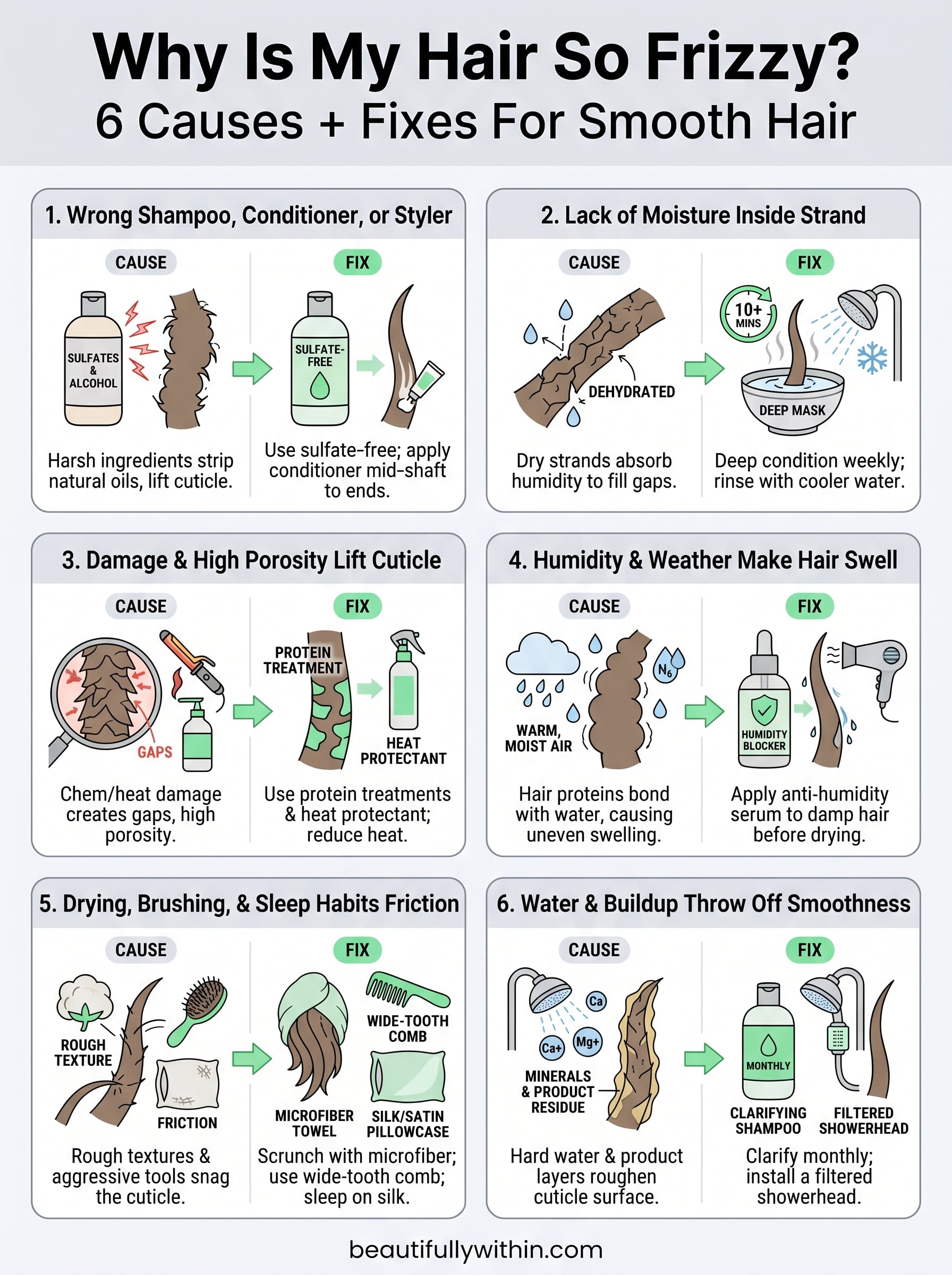
Below, you'll find six common causes of frizzy hair and straightforward fixes for each one. Whether your frizz comes from damage, dryness, or habits you didn't realize were hurting your hair, this guide will help you pinpoint the problem and smooth things out for good.
1. You use the wrong shampoo, conditioner, or styler
The products you use every wash day matter more than most people think. Harsh sulfates and alcohol-based stylers all interfere with your hair's ability to hold moisture and stay smooth. If you've been asking why is my hair so frizzy and nothing has changed recently, your product lineup is the first place to look.
What it looks like
Your hair feels dry or rough right after washing, even though you just conditioned it. You also notice extra puffiness and flyaways that get worse as the day goes on, or strands that tangle more than usual at rinse time. Those are signs your shampoo is stripping too much with every wash.
Buildup is another clue. If your hair feels coated or heavy a day or two after washing, a silicone-based conditioner may be sealing out the moisture your strands actually need to stay smooth.
Why it creates frizz
Most drugstore shampoos rely on sodium lauryl sulfate (SLS) to clean, and it works well on dirt but also strips the natural oils your cuticle needs to lay flat. Once those oils are gone, your cuticle lifts and stays open, making the strand far more vulnerable to humidity.
Stripping your hair's natural oils on every wash is one of the fastest ways to make frizz a permanent problem.
Silicone conditioners can hide this temporarily by coating the strand, but repeated use builds a film that blocks moisture from getting inside the strand where it's needed most.
How to fix it today
Switch to a sulfate-free shampoo and apply conditioner from mid-shaft to ends rather than at the scalp. This keeps your roots balanced while the driest parts of your hair get the hydration they need.
How to prevent it long term
Read ingredient labels before buying anything. Avoid SD alcohol and synthetic fragrance near the top of the list, since both dry the strand over time. Run a clarifying wash once a month to clear silicone buildup before it blocks moisture absorption.
Products and ingredients that help
Look for products built around these key ingredients:
- Argan oil to seal and smooth the cuticle
- Glycerin to draw moisture into the strand
- Keratin or hydrolyzed silk protein to fill gaps in a lifted cuticle
- Aloe vera for lightweight hydration without added weight
2. Your hair lacks moisture inside the strand
Even if you condition every wash, your strands can still be severely dehydrated on the inside. A dry strand is a structurally weak strand, and weak strands absorb humidity instead of repelling it.
What it looks like
Your hair feels rough to the touch and snaps when stretched. It also looks dull rather than shiny, even right after washing.
Why it creates frizz
A dry strand can't keep its cuticle flat. The cuticle lifts and stays open, and airborne humidity rushes in, causing that familiar puff and swell.
Dry hair pulls moisture from the air because it's searching for what's missing inside the strand, which is the real answer to why is my hair so frizzy.
How to fix it today
Apply a deep conditioning mask and leave it on for at least 10 minutes under a shower cap to push moisture deeper into each strand.
How to prevent it long term
Cut back on heat tools and rinse with cooler water. Hot water opens the cuticle and flushes out the moisture you just put back in.
Products and ingredients that help
Focus on ingredients that attract and seal moisture rather than just coat the surface:
- Shea butter for deep internal hydration
- Hyaluronic acid to draw water into the strand
- Panthenol (Vitamin B5) to strengthen and lock in moisture
3. Damage and high porosity lift the cuticle
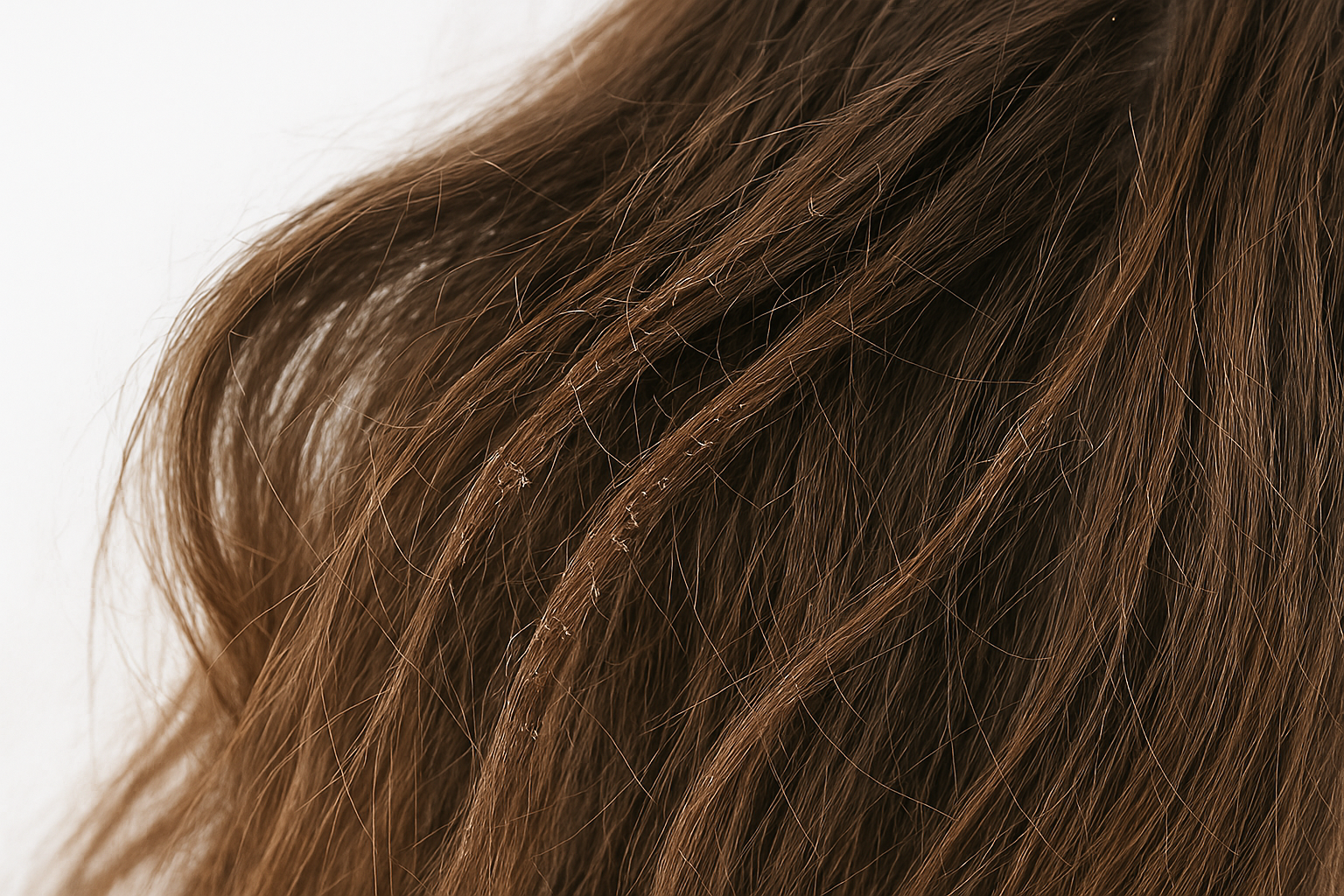
Chemically treated, heat-styled, or mechanically stressed hair develops gaps and cracks along the cuticle layer. High-porosity hair, whether you were born with it or created it through damage, struggles to hold onto moisture because the cuticle simply won't stay flat the way it should.
What it looks like
Your hair absorbs water almost instantly in the shower but dries out just as fast afterward. It also tangles easily, feels rough between your fingers, and the ends look frayed or split even shortly after a trim.
Why it creates frizz
Lifted cuticle scales act like tiny open doors. Your strands pull in humidity from the air whenever they can, which causes the hair shaft to swell unevenly and produce frizz. This is one of the most overlooked answers to why is my hair so frizzy.
High-porosity hair doesn't just react to humidity more, it actively pulls moisture from the air because the cuticle can't seal properly on its own.
How to fix it today
Use a protein treatment to temporarily patch the gaps in your cuticle, then finish with a cold water rinse to press the cuticle layer back down before you step out of the shower.
How to prevent it long term
Reduce heat tool use and always apply a heat protectant before styling. Space out chemical services like color and relaxers, and deep condition your hair between each appointment.
Products and ingredients that help
- Hydrolyzed keratin to fill cuticle gaps and reduce porosity
- Rice protein to strengthen and smooth each strand
- Apple cider vinegar rinse to lower pH and seal the cuticle flat
4. Humidity and weather make hair swell and puff
You can do everything right in the shower and still walk outside into a wall of humidity that undoes all of it. Warm, moist air is one of the most common triggers of frizz, and it hits hardest on hair that's already dry or porous.
What it looks like
Your hair looks smooth and controlled right after styling, then gradually expands and puffs as you spend time outdoors. You'll notice the effect most around the hairline, where finer, shorter strands react first to any moisture in the air.
Why it creates frizz
Hair is made of keratin proteins that bond with water molecules. When humidity is high, those molecules push into the hair shaft and cause it to swell unevenly, which explains why is my hair so frizzy on rainy or sticky days even when it looked fine indoors.
The more open your cuticle is, the faster humidity gets inside the strand and forces it to swell.
How to fix it today
Apply a humidity-blocking serum or cream to damp hair before you dry it. Sealing the cuticle while the strand is still wet gives you a meaningful head start before you step outside.
How to prevent it long term
Build anti-humidity protection into your regular styling routine, not just on days you expect rain. Consistent use builds a stronger barrier over time so your hair reacts less even on the worst weather days.
Products and ingredients that help
Look for products with these proven ingredients that block moisture from penetrating the strand:
- Dimethicone to form a water-resistant layer around each strand
- Flaxseed or castor oil to seal the cuticle and slow moisture absorption
5. Your drying, brushing, and sleep habits create friction
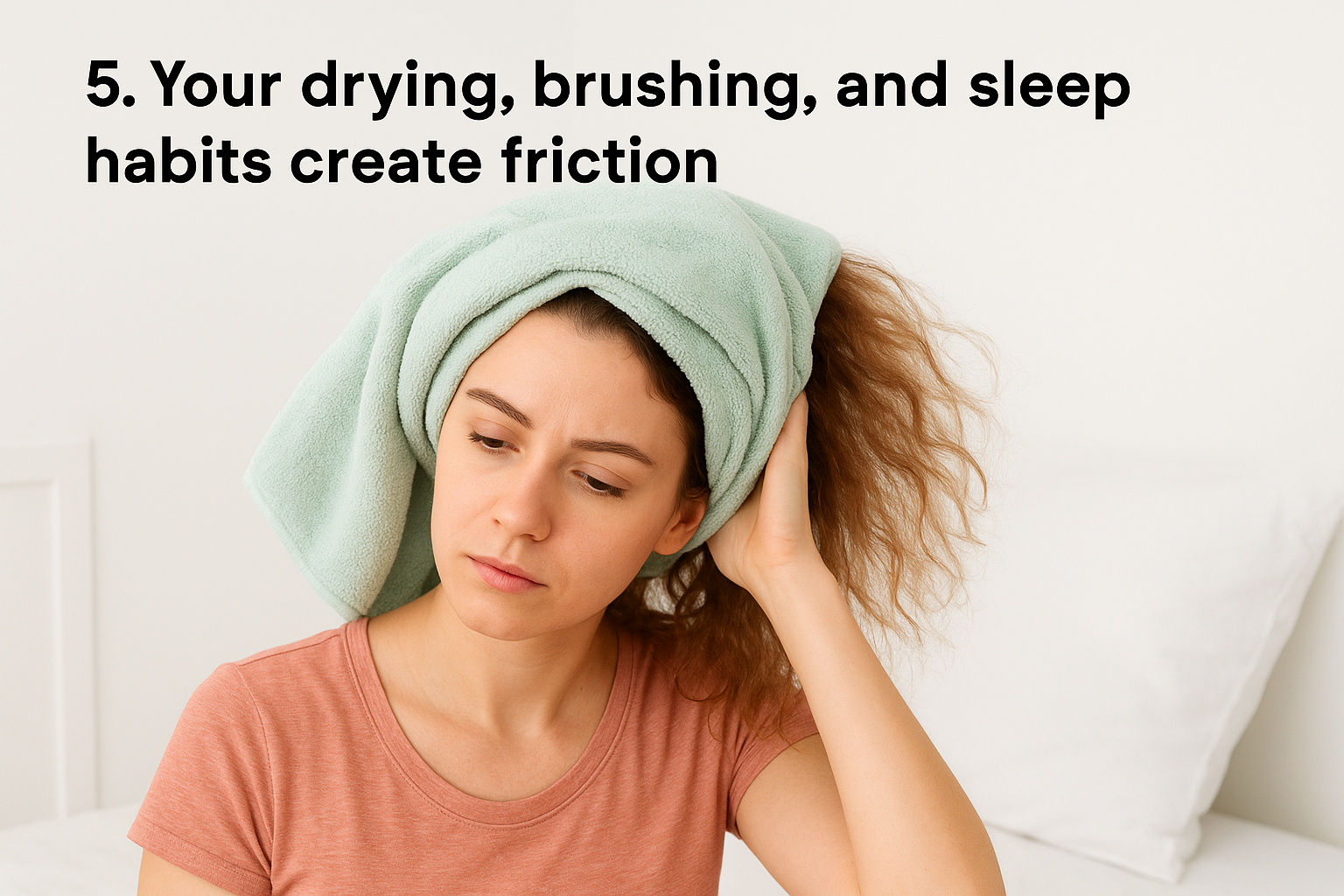
How you treat your hair after the shower matters just as much as what you use in it. Rough towel drying, aggressive brushing on wet hair, and sleeping on a cotton pillowcase all create friction that physically lifts the cuticle and causes frizz to set in before you even leave the house.
What it looks like
Your hair appears smooth immediately after washing but frizzes up as you dry and style it. This pattern points directly to mechanical damage rather than a product issue.
You'll also notice individual strands standing out from the surface and extra tangles forming at the ends, both of which signal that your drying or brushing routine is disrupting the cuticle.
Why it creates frizz
Cotton towels and standard pillowcases have a rough surface that snags the cuticle with every pass. This is one of the most overlooked answers to why is my hair so frizzy, because the damage builds gradually and you rarely connect the daily habit to the result.
Wet hair is at its most fragile, so friction during drying causes more cuticle damage than almost anything else in your routine.
How to fix it today
Swap your regular bath towel for a microfiber towel or a clean cotton T-shirt and scrunch your hair gently upward instead of rubbing it dry.
How to prevent it long term
Switch to a silk or satin pillowcase to cut friction overnight. Use a wide-tooth comb on wet hair instead of a bristle brush, which snags and tears the cuticle when strands are most vulnerable.
Products and ingredients that help
- Microfiber hair towels to reduce mechanical friction during drying
- Silk or satin pillowcases to protect strands while you sleep
- Leave-in conditioner to keep the cuticle lubricated and minimize tangles before bed
6. Your water and buildup throw off smoothness
Hard water and product buildup are two quiet causes of frizz that most people miss entirely. Mineral deposits from hard water and layers of accumulated product both coat the hair shaft in ways that block moisture, rough up the cuticle, and leave your strands reacting badly to the environment.
What it looks like
Your hair feels heavy or waxy after washing, not clean and light. It also lacks shine and seems to absorb your styling products less effectively than it used to, even when you haven't changed anything in your routine.
Why it creates frizz
Hard water contains calcium and magnesium ions that bond to the hair shaft and roughen the cuticle surface. That lifted cuticle is exactly why is my hair so frizzy on days when everything else in your routine stays consistent.
Buildup acts like a barrier that stops good ingredients from getting in and keeps damaging reactions locked close to the strand.
How to fix it today
Use a chelating or clarifying shampoo once every two to four weeks to strip mineral deposits and product residue from the shaft before they layer up further.
How to prevent it long term
Install a filtered showerhead to reduce the mineral content in the water hitting your hair on every wash day. This single change makes a noticeable difference in texture over time.
Products and ingredients that help
- EDTA (chelating agent) to bind and remove mineral deposits from the shaft
- Citric acid to lower pH and press the cuticle flat after clarifying
- Activated charcoal for deep cleansing without stripping your natural oils
Next Steps
Now you have a clear answer to why is my hair so frizzy: it's rarely one thing. Most frizz comes from a combination of product choices, moisture levels, damage, and daily habits working against each other at the same time.
Pick the one or two causes that match what you're seeing right now and start there. Small, targeted changes deliver faster results than overhauling everything at once. Switching to a sulfate-free shampoo or adding a weekly deep conditioning mask can shift your hair's texture noticeably within just a few wash days.
Once your routine is in a better place, the right products make a real difference. Browse our hair care collection to find treatments, masks, and stylers built specifically for the concerns covered in this guide. Every product is chosen to deliver visible results for real hair problems, not just label promises.
✨ Shop the Look at Beautifully Within
Loved this guide? Discover our hand-picked picks that pair perfectly with your routine:
- 👉 32mm Ceramic Auto-Rotating Hair Curler — Hair Styling Tool
- 👉 5-in-1 Negative Ion Hot Air Styling Brush — Hair Styling Tool
- 👉 Professional Blowout Brush — Hot Air Volumizing Styler — Hair Styling Tool
- 👉 Ceramic Electric Hair Straightening Hot Comb — Hair Styling Tool
New customer? Get 15% off orders $50+ with code WITHIN15 — plus free shipping over $75.
0 comments