

Your gut does more than digest food, it influences your skin, your energy levels, and how you feel overall. At Beautifully Within, we believe that looking and feeling your best starts from the inside out, and that starts with what's happening in your digestive system. But when you search for ways to support your gut, two terms keep showing up: probiotics vs prebiotics for gut health. They sound similar, and that's where the confusion begins.
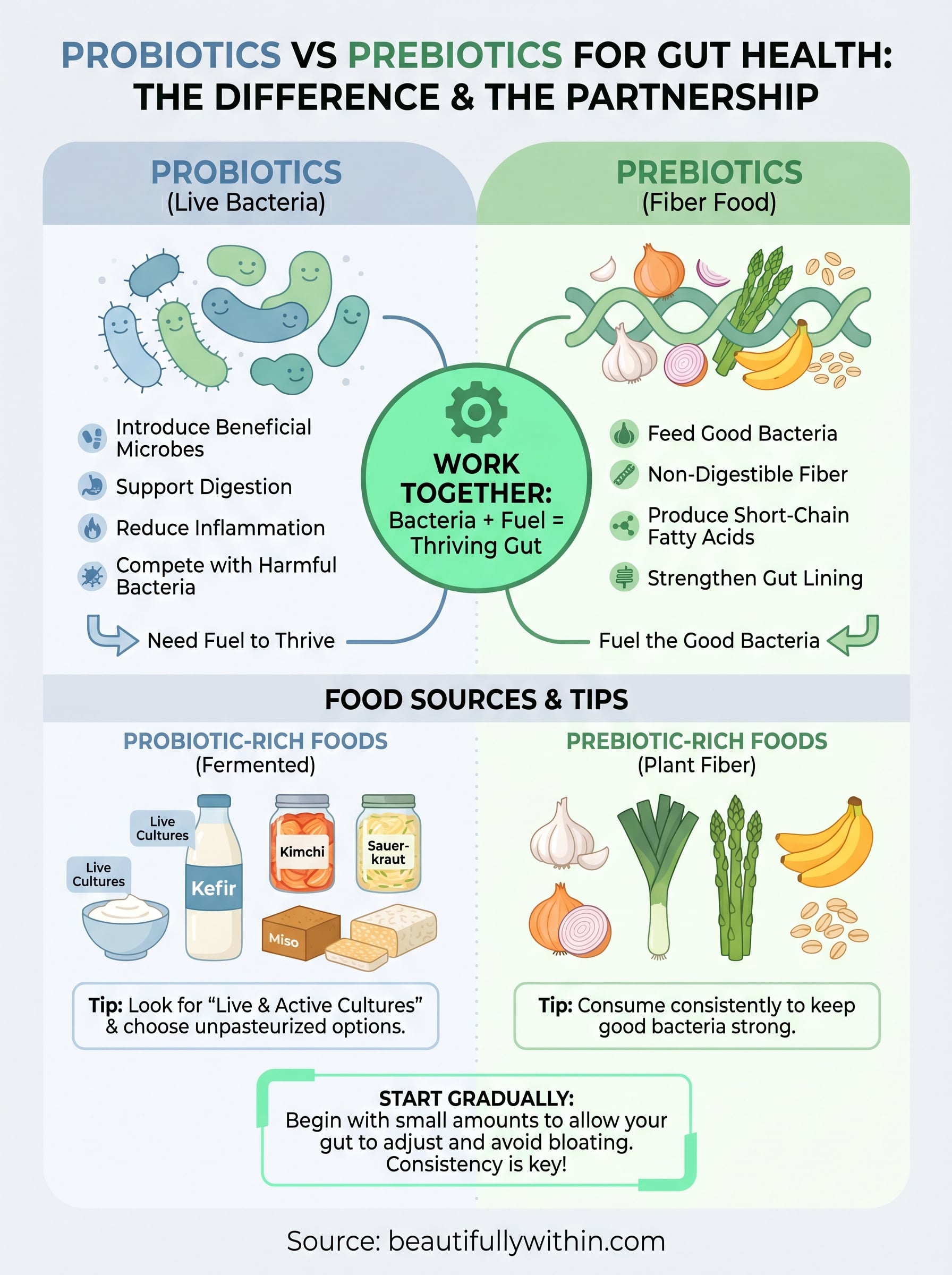
Here's the short answer: probiotics are live bacteria that add beneficial microbes to your gut, while prebiotics are the fiber-rich foods that feed those microbes. They do different things, but they work together. One introduces helpful bacteria; the other keeps them alive and thriving.
This article breaks down the key differences between probiotics and prebiotics, covers which foods contain each, and helps you figure out whether you need one or both to actually support your gut microbiome. No guesswork, just clear, practical information you can use.
Why your gut microbiome needs both
Your gut contains trillions of microorganisms, including bacteria, fungi, and viruses, that collectively make up your gut microbiome. These microbes help you digest food, produce certain vitamins, regulate your immune system, and even affect your mood. When the balance of beneficial versus harmful bacteria tips in the wrong direction, you can experience bloating, fatigue, poor skin, and other issues that seem completely unrelated to digestion.
The relationship between bacteria and fuel
Probiotics introduce specific strains of beneficial bacteria into your gut. Think of them as reinforcements. But if those bacteria arrive and find nothing to eat, they do not survive long enough to make a meaningful difference. This is exactly why the probiotics vs prebiotics for gut health conversation matters. Prebiotics act as the food source that keeps your beneficial bacteria alive, active, and multiplying.
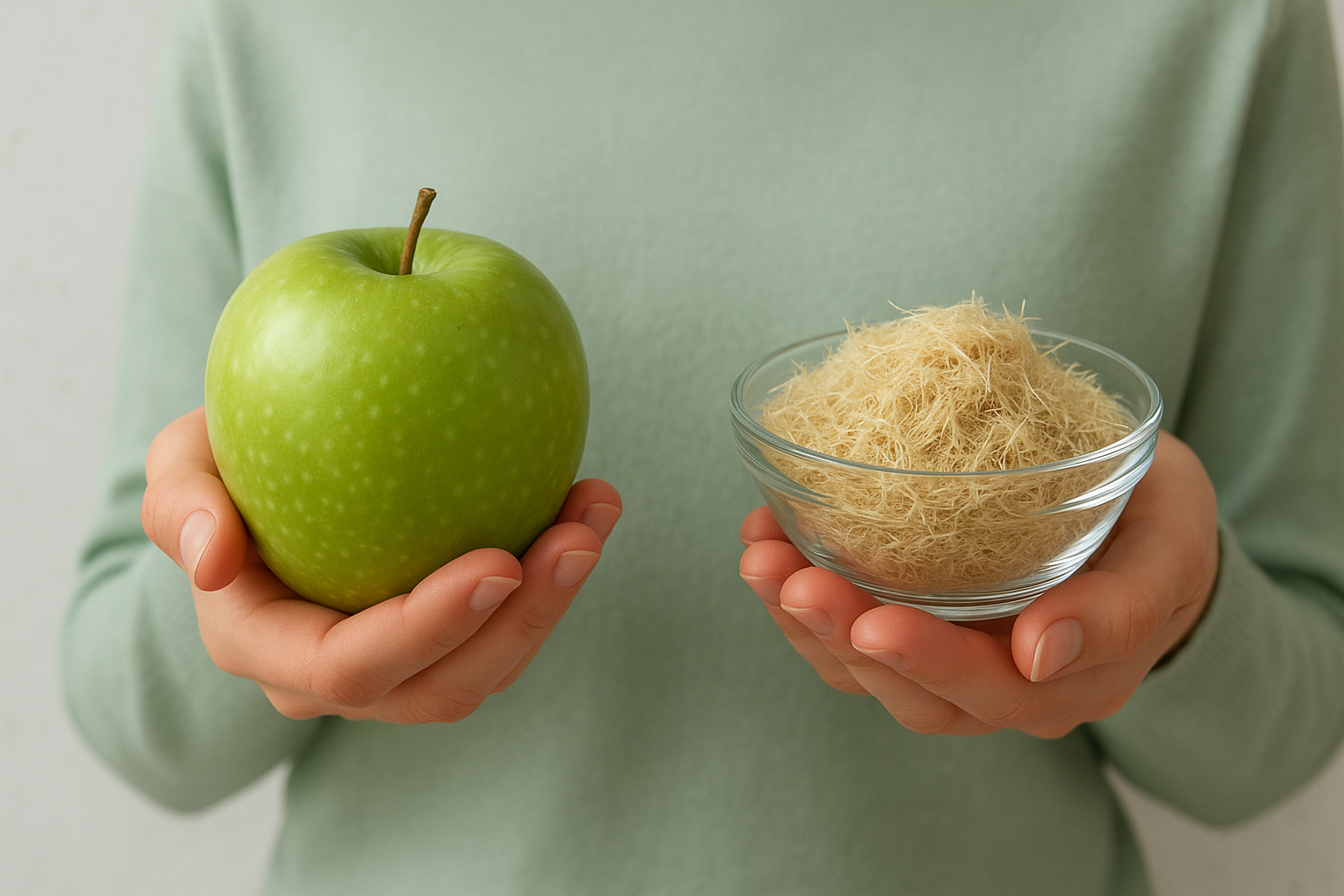
Without prebiotics to feed them, probiotic bacteria struggle to survive long enough to benefit your gut.
Why one without the other falls short
Starting with only probiotics and skipping prebiotics is like planting seeds in dry soil with no water. Your new bacteria colonies need specific fibers to ferment and use as fuel. Without that fuel, they weaken and get crowded out by less beneficial microbes. On the flip side, eating plenty of prebiotic fiber without enough good bacteria in your gut means there are fewer beneficial microbes available to actually use all that fiber.
When you combine both, you create conditions where good bacteria can take hold and grow consistently. That means more stable digestion, less inflammation, and a gut environment that actively supports your energy, skin, and overall health, not just in the short term but on an ongoing basis.
What probiotics are and what they do
Probiotics are live microorganisms, mostly bacteria and some yeasts, that provide health benefits when you consume them in adequate amounts. They are not a single ingredient but a broad category that includes dozens of different strains, each with its own specific effects. When people talk about probiotics vs prebiotics for gut health, probiotics are the living organisms you introduce directly into your digestive system.
The strains that matter most
Not all probiotic strains do the same thing. The two most studied bacterial families are Lactobacillus and Bifidobacterium. Lactobacillus strains tend to support digestion and reduce symptoms like bloating, while Bifidobacterium strains are linked to improved bowel regularity and stronger immune responses. The strain you choose makes a real difference in the results you get.
Choosing a probiotic without checking the strain is like taking a supplement without reading what it actually contains.
What probiotics actually do in your body
Once probiotics reach your gut, they compete with harmful bacteria for space and nutrients, making it harder for those less beneficial microbes to dominate. They also support your gut lining by producing short-chain fatty acids and reducing inflammation in the digestive tract. Over time, consistent probiotic intake can shift the overall balance of your microbiome toward a healthier state, which affects digestion, immunity, and skin health.
What prebiotics are and what they do
Prebiotics are non-digestible dietary fibers that your body cannot break down on its own. Instead, your gut bacteria ferment these fibers and use them as fuel. Unlike probiotics, which are live organisms, prebiotics are plant-based compounds found in everyday foods. They do not add bacteria to your gut; they feed the bacteria already there.
How prebiotics change your gut environment
When your gut bacteria ferment prebiotic fibers, they produce short-chain fatty acids like butyrate, acetate, and propionate. These compounds reduce gut inflammation, strengthen your intestinal lining, and create an environment where beneficial bacteria thrive. This is a key piece of the probiotics vs prebiotics for gut health conversation because prebiotics determine whether the good bacteria you already have can actually do their job.
The short-chain fatty acids your bacteria produce from prebiotics are some of the most protective compounds for your gut lining.
Your body gets the most out of prebiotics when you consume them consistently over time, not just occasionally. Regular intake helps your existing good bacteria stay strong and crowd out the less beneficial strains. Without enough prebiotic fiber in your diet, even a healthy probiotic routine loses much of its effectiveness.
Probiotic and prebiotic foods to eat more often
When it comes to probiotics vs prebiotics for gut health, your daily food choices matter more than most people realize. Whole foods give you natural, diverse sources of both beneficial bacteria and the fiber they need, often alongside other nutrients that support digestion. Eating a varied diet that includes both probiotic and prebiotic foods is one of the most practical ways to improve your gut microbiome over time.
Probiotic-rich foods to add to your plate
Fermented foods are your best source of live beneficial bacteria. Look for options that are unpasteurized, since pasteurization kills the live cultures you want. Some consistent choices include:
- Plain yogurt with live and active cultures
- Kefir, a fermented milk drink with multiple bacterial strains
- Kimchi and sauerkraut
- Miso and tempeh
Always check labels for "live and active cultures" to confirm the product still contains beneficial bacteria.
Prebiotic-rich foods your bacteria need
Plant-based foods high in fiber are your main source of prebiotics. Your gut bacteria ferment these fibers and produce compounds that strengthen your intestinal lining and reduce inflammation.
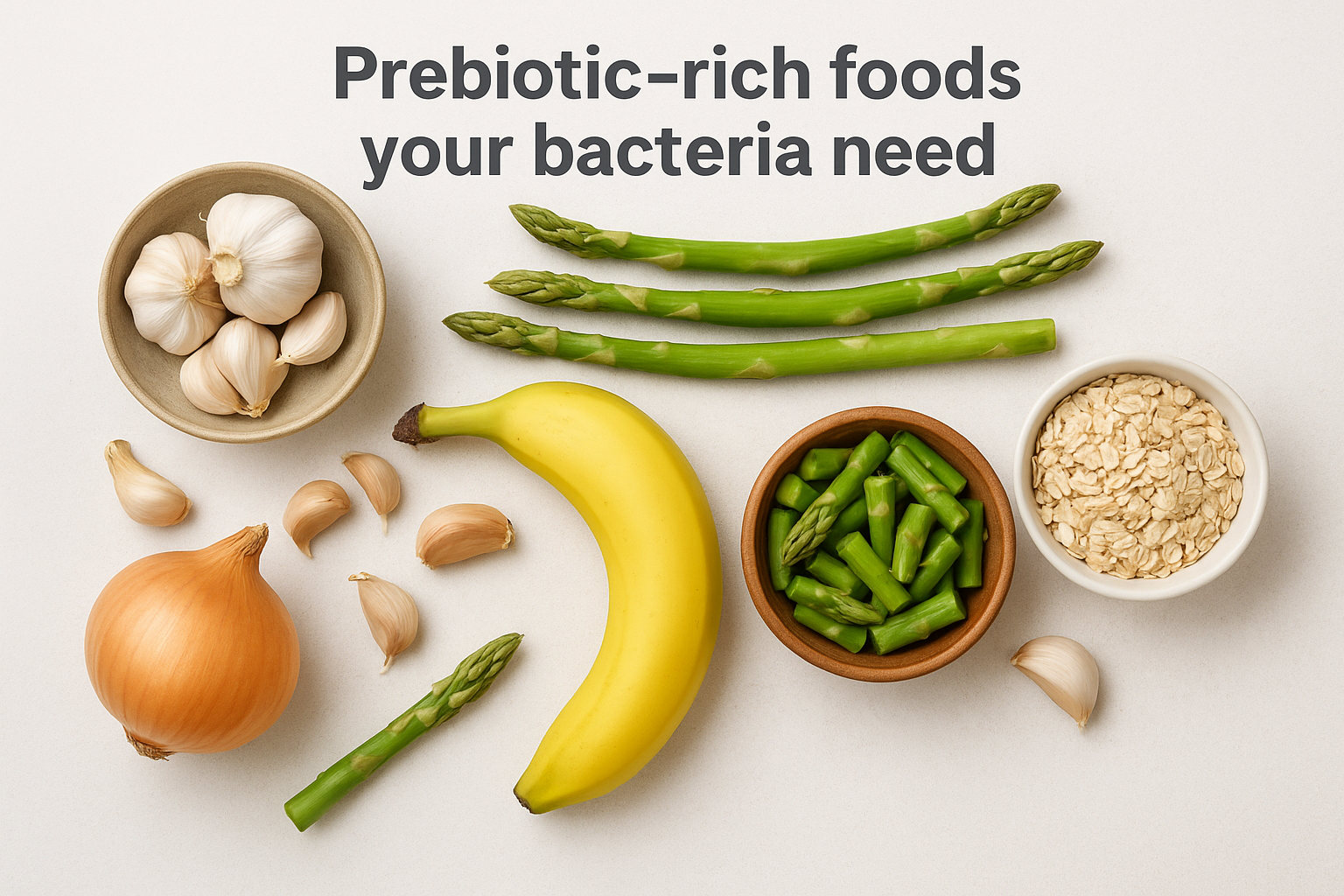
Garlic, onions, leeks, asparagus, bananas, and oats are all solid choices for daily prebiotic intake. Adding two or three of these to your meals gives your good bacteria a consistent fuel source to work with.
How to use them safely and avoid common mistakes
Starting probiotics and prebiotics at the same time can cause temporary bloating or gas, especially if your gut is not used to either. Your digestive system needs time to adjust, so begin with small amounts and increase gradually over one to two weeks. This applies whether you're eating more fermented foods, adding a fiber-rich vegetable, or starting a supplement.
Mistakes that reduce their effectiveness
One of the most common errors people make is taking a probiotic supplement with hot food or drinks, which kills the live cultures before they reach your gut. Store your probiotic supplements according to the label, since many strains require refrigeration to stay viable. When thinking about probiotics vs prebiotics for gut health, consistency matters more than quantity, so small daily habits outperform occasional large doses.
Taking probiotics inconsistently gives your gut bacteria no chance to establish themselves long enough to make a real difference.
Relying on supplements alone while ignoring food sources is another mistake worth avoiding. Whole fermented foods and high-fiber vegetables deliver additional nutrients and compounds that isolated supplements cannot fully replicate. If you take any medication, especially antibiotics, talk to your doctor before starting a probiotic supplement, since timing and strain selection can significantly affect the outcome.
A simple gut health plan to start this week
You do not need a complicated overhaul to start improving your gut. This week, add one probiotic food to your daily meals, like plain yogurt with live cultures or a small serving of kimchi. Then pair it with one prebiotic food, such as garlic in your cooking or a banana with breakfast. That combination alone gives your gut bacteria both reinforcements and fuel.
Keep that routine consistent for two weeks before adding anything else. Your gut responds to steady, repeated input better than dramatic changes, so small daily choices build more lasting results than short bursts of effort. Once you feel comfortable, you can layer in a probiotic supplement if needed, but food always comes first.
Understanding probiotics vs prebiotics for gut health is only the starting point. Your skin, energy, and overall wellness connect directly to what happens in your gut. Explore wellness supplements that support your beauty from within to keep building from the inside out.
0 comments