

If your skin reacts to almost everything, new serums, exfoliants, even certain sunscreens, the idea of pointing a light device at your face might sound risky. But LED light therapy for sensitive skin is one of the gentlest professional-grade treatments available, and it works without chemicals, UV rays, or direct contact. That's exactly why it's gained traction among people whose skin can't tolerate much else. The catch? Not all LED wavelengths do the same thing, and picking the wrong setting or device can still leave you frustrated.
This guide breaks down which LED light colors actually help with redness and inflammation, how sensitive skin responds differently to each wavelength, and what safety precautions matter most before you start. At Beautifully Within, we carry advanced beauty devices, including multi-function LED tools, because we believe effective skincare shouldn't require harsh ingredients or painful procedures. Whether you're considering your first at-home device or just trying to understand the science, you'll find clear answers here.
Why sensitive skin reacts and how LEDs help
Sensitive skin has a lower threshold for irritation, meaning its protective barrier is either naturally thinner or has been weakened over time by environmental stressors, harsh products, or conditions like rosacea and eczema. When something disrupts that barrier, your immune cells respond by triggering inflammation, which shows up as redness, stinging, or breakouts. That cycle is tough to break when most active skincare ingredients are exactly the things that set it off.
What makes sensitive skin different
Your skin's lipid barrier acts as its first line of defense, holding moisture in and keeping irritants out. Lipids are the fatty molecules that bond skin cells together, and when that layer thins out, allergens and pollutants get through more easily while water escapes faster. This combination means even mild stimuli, like fragrance or a sudden temperature shift, can trigger a visible, uncomfortable reaction.
People with conditions like rosacea, perioral dermatitis, or contact dermatitis often fall into this category. Their skin is not just reactive; it is also prone to chronic, low-grade inflammation that flares with minimal provocation. This is exactly where LED light therapy for sensitive skin becomes relevant, because it targets that inflammation at a cellular level without introducing any foreign substance onto your skin.
How LED light helps without triggering a reaction
LED devices emit narrow bands of light at specific wavelengths, which penetrate the skin to different depths depending on the color selected. Unlike UV light, LED light carries no ionizing radiation, which means it does not damage DNA or strip your skin's surface. Your skin absorbs the light energy, and the cells use it to reduce inflammation, improve circulation, and support natural repair processes.
LED therapy works with your skin's biology rather than against it, which makes it one of the few treatments that a genuinely reactive skin type can tolerate consistently.
Because there is no heat, no abrasion, and no chemical reaction happening at your skin's surface, your protective barrier stays fully intact throughout each session. That is the core reason sensitive skin tolerates LED devices far better than exfoliating acids, retinoids, or physical scrubs.
How LED light therapy works on the skin
LED light therapy works through a process called photobiomodulation, where specific wavelengths of light stimulate biological responses inside your cells. Your skin absorbs the light energy through photoreceptors embedded in your cells, converting it into biochemical signals that trigger repair and reduce inflammation. No chemicals, heat, or abrasion are involved, which is what makes this approach fundamentally different from most other treatments.
The photobiomodulation process
When light hits your skin, specific molecules called chromophores absorb it. These chromophores sit inside your mitochondria, the energy-producing centers of your cells. Once stimulated, your mitochondria produce more adenosine triphosphate (ATP), which is the fuel your cells use to repair tissue, fight inflammation, and maintain barrier function. The result is a cascade of cellular activity that happens entirely beneath the surface without disrupting what's on top.
Your cells treat absorbed LED light as a direct signal to accelerate their natural healing work, which is why results build gradually with consistent use rather than appearing after a single session.
What happens beneath your skin's surface
Different wavelengths reach different depths within your skin's layers. Shorter wavelengths like blue light stay near the surface, while longer wavelengths like red and near-infrared light penetrate deeper into the dermis. For anyone exploring LED light therapy for sensitive skin, this depth control matters because you can target inflammation without disturbing surrounding tissue. Your skin's barrier remains completely intact throughout the entire session.
Which LED colors to use for sensitive skin
Not every wavelength suits reactive skin equally. Color selection is the most important decision you make when using LED light therapy for sensitive skin, because some wavelengths calm inflammation while others can overstimulate already-fragile tissue if used incorrectly.
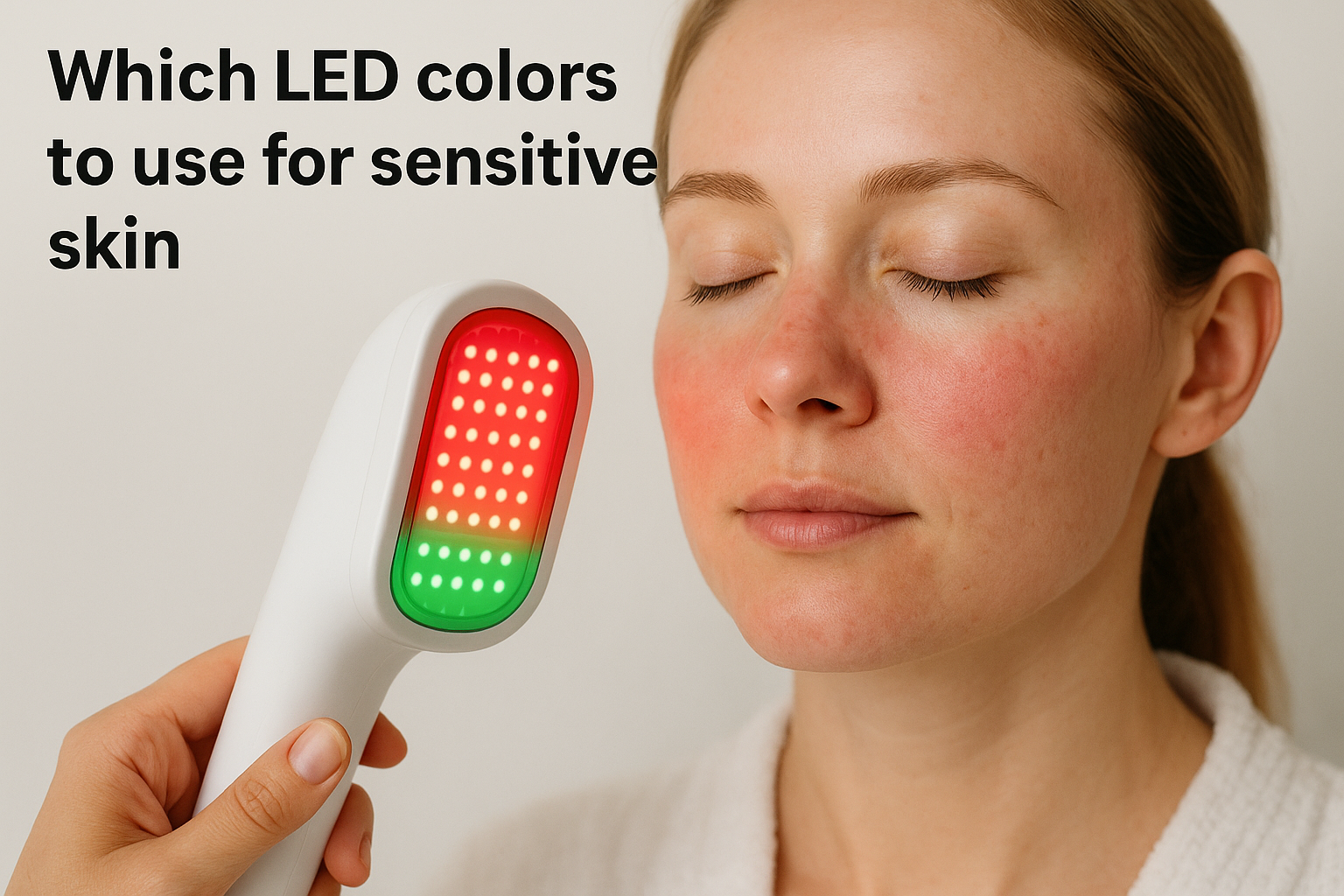
Red light: the strongest anti-inflammatory option
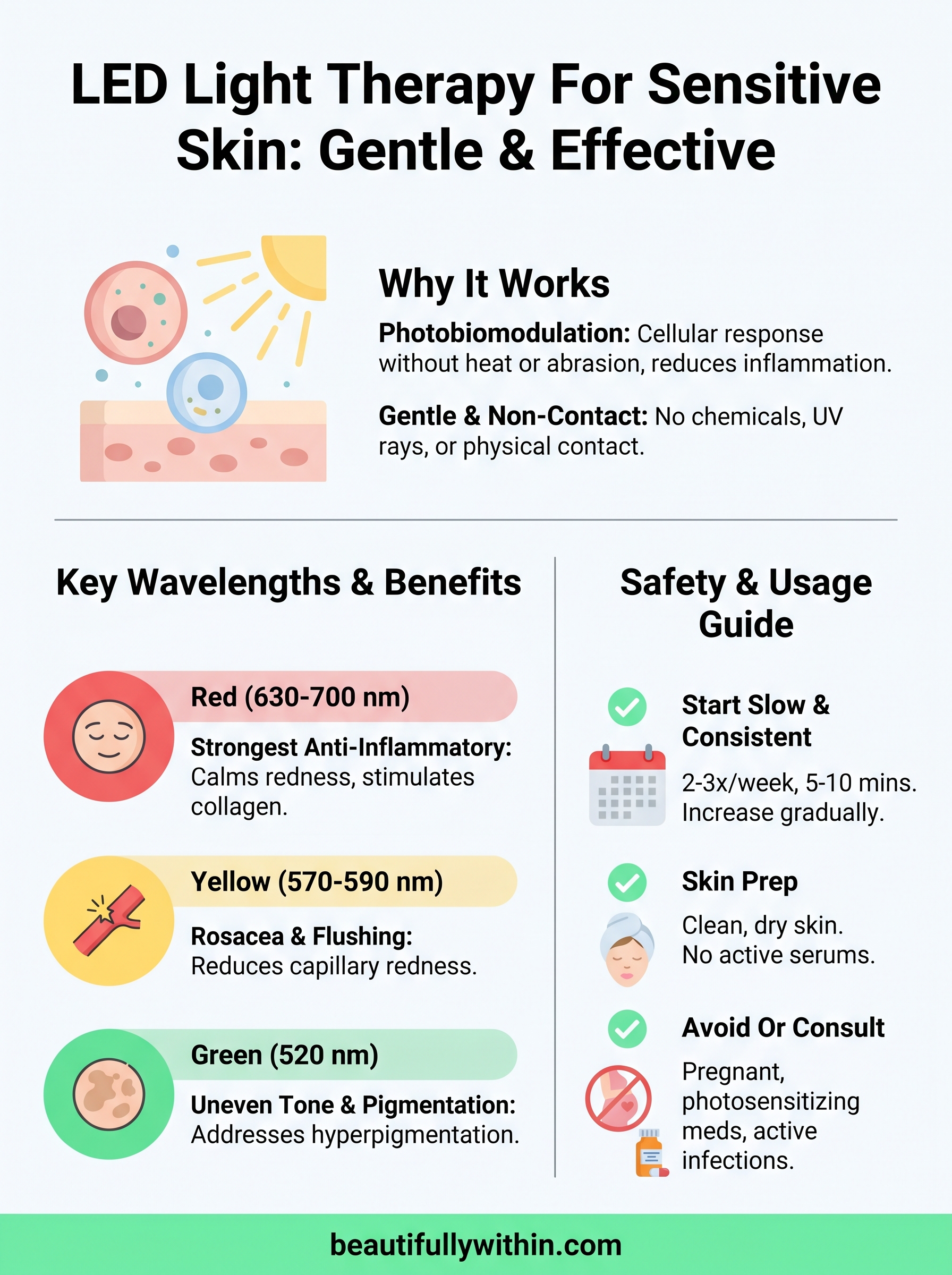
Red light, typically in the 630 to 700 nanometer range, is the most well-studied wavelength for calming inflammation and supporting barrier repair. It penetrates into the dermis where it stimulates collagen production and reduces cytokine activity, which is the immune signaling that drives visible redness. If your skin is chronically reactive, red light is the safest starting point and the one most dermatologists reference when discussing low-risk photobiomodulation.
Red light works at a depth that targets the source of inflammation rather than just the surface symptoms, which is why consistent use produces noticeable improvements in skin tone and sensitivity over time.
Yellow and green light for redness and uneven tone
Yellow light, around 570 to 590 nanometers, is particularly effective for rosacea-prone and flushing skin. It targets blood vessels near the surface and helps reduce visible capillary redness without penetrating deep enough to cause unwanted stimulation. Green light at around 520 nanometers addresses hyperpigmentation and general uneven tone, making it a useful complement to red light once your skin has adjusted to regular sessions. Both wavelengths are considered low-risk for sensitive skin types.
Safety, risks, and who should avoid it
LED light therapy for sensitive skin carries a genuinely low risk profile, but it is not risk-free for everyone. The most common issues are temporary redness, mild eye strain, and headaches, which typically result from sessions that run too long or devices held too close to your face. Matching the device settings to your skin's current tolerance prevents most of these reactions before they start.
Risks to watch for
Your biggest concern with at-home LED devices is overexposure. Running a session longer than the manufacturer recommends, or placing the panel too close, can overstimulate your skin cells and cause irritation rather than relief. Photosensitizing medications, including certain antibiotics and topical retinoids, can also make your skin react more strongly to light than it normally would.
Always check your current medications with a pharmacist or dermatologist before starting any LED therapy routine.
Who should skip LED therapy
Some people should avoid LED devices entirely. Pregnant individuals should hold off until postpartum since safety data for that group is limited. Anyone with active skin infections, open wounds, or a documented history of photosensitivity disorders should also wait until those conditions are resolved or medically managed.
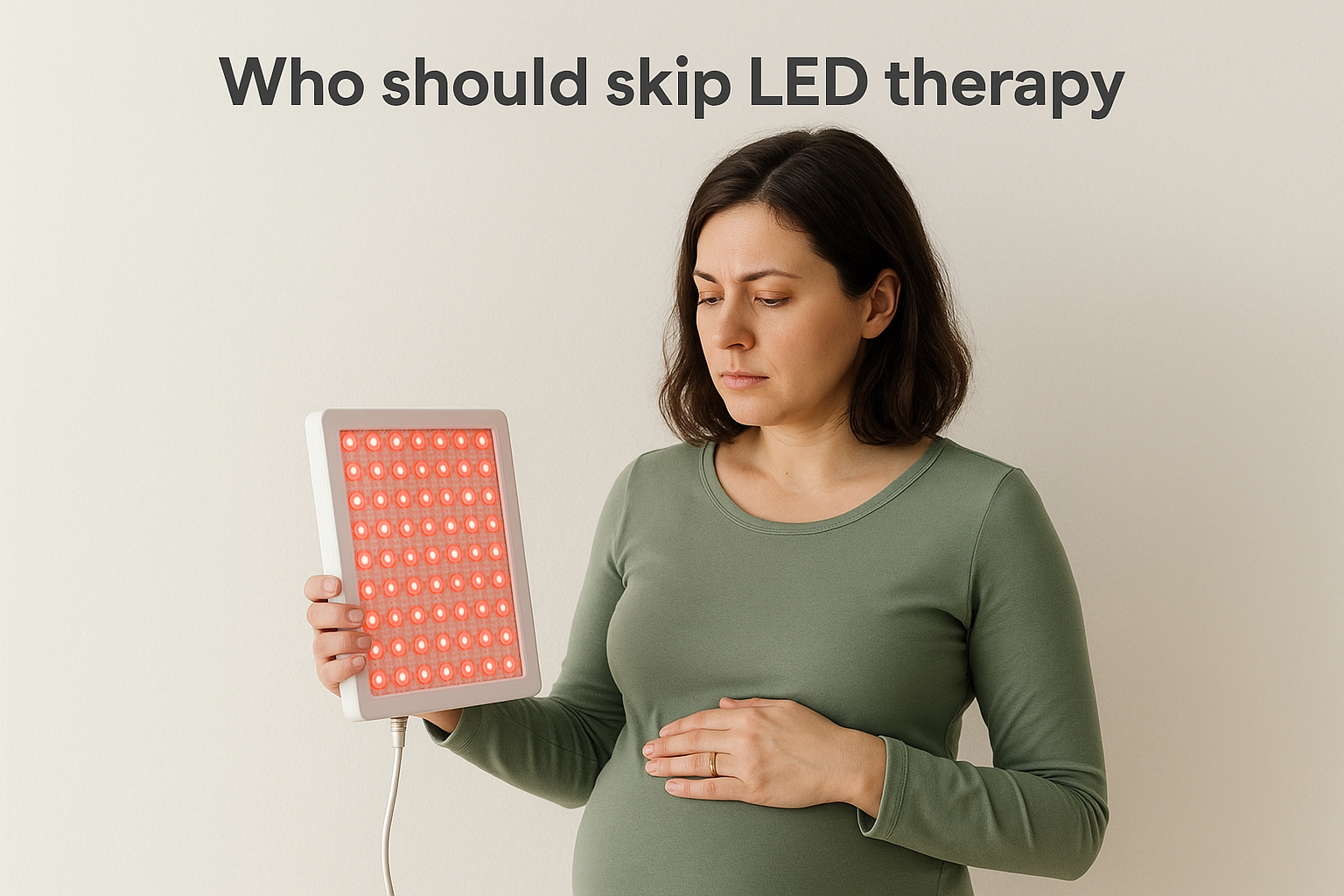
People taking photosensitizing medications need a doctor's clearance before using any LED wavelength, including the gentler red and yellow ranges. If you fall into any of these groups, consulting a dermatologist first helps you understand when and whether LED therapy becomes a safe option for your specific situation.
How to use LED devices without irritation
Getting results from led light therapy for sensitive skin comes down to how you introduce it into your routine. Your skin needs time to adjust to any new treatment, and LED therapy is no different. Starting with shorter sessions and lower frequency gives your skin the chance to respond without becoming overstimulated.
Start slow and build from there
Begin with two to three sessions per week, each lasting no more than five to ten minutes. This shorter window gives your cells enough light exposure to respond while keeping cumulative stress on your barrier low. Once your skin shows no signs of irritation after two weeks, you can gradually increase session length or frequency, following the specific guidelines included with your device.
Consistency over intensity is what drives results with LED therapy. More is not better when your skin is reactive.
Prep your skin before each session
Apply LED therapy to clean, dry skin with no active serums or acids on the surface. Certain ingredients, like vitamin C or AHAs, can amplify light sensitivity and cause unexpected reactions. Remove all makeup and wait at least 20 minutes after washing before you begin. After each session, apply a fragrance-free moisturizer to support your barrier while your skin processes the treatment. Keep the device at the distance specified in the instructions, since holding it closer does not speed up results but does increase the risk of overstimulation.
Key takeaways and next steps
LED light therapy for sensitive skin works because it targets inflammation at the cellular level without chemicals, abrasion, or UV exposure. Red light is your safest starting wavelength, followed by yellow and green once your skin has adjusted. Start with short sessions two to three times per week, keep your skin clean before each session, and avoid using photosensitizing products on the same days you treat.
Safety comes down to following device guidelines closely and checking with your doctor if you take medications that affect light sensitivity. Most people with reactive skin tolerate LED therapy well when they introduce it gradually.
If you're ready to add a device to your routine, browse the professional-grade beauty tools at Beautifully Within to find a multi-function LED option that fits your needs. Your skin doesn't need harsh treatments to improve. It needs the right ones, applied consistently.
✨ Shop the Look at Beautifully Within
Loved this guide? Discover our hand-picked picks that pair perfectly with your routine:
- 👉 Facial Beauty Device Portable Skincare (7-Color Light) — Beauty Machine
- 👉 GlowTech Red & Near-Infrared Light Therapy Panel — Full Face — Beauty Machine
- 👉 Elite Spa-Grade 7-in-1 Skin Transformation System — Beauty Machine
- 👉 GlowTech RF Skin Tightening & EMS Contouring System — Face & Body — Beauty Machine
New customer? Get 15% off orders $50+ with code WITHIN15 — plus free shipping over $75.
0 comments