

You patch-test a new moisturizer, and within hours your cheeks are red, tight, and stinging. Sound familiar? If you have sensitive skin, the wrong product can turn a simple skincare step into a full-blown flare-up. The frustrating part is that many of these reactions come down to specific ingredients to avoid for sensitive skin, ingredients that show up in products marketed as gentle or even "dermatologist recommended." Knowing exactly what triggers irritation puts you back in control of your routine.
At Beautifully Within, we believe looking and feeling your best starts with what you put on your skin. That's why we focus on offering products that work well for sensitive skin types, because beauty shouldn't come with a side of redness and discomfort. We've spent time testing, researching, and learning (sometimes the hard way) which ingredients cause more harm than good.
This article breaks down five of the most common irritants hiding in everyday skincare products. You'll learn what they are, where they show up, and why your skin reacts to them, so you can shop smarter and skip the guesswork. Whether you're building a new routine or cleaning up an existing one, this list gives you a clear starting point for calmer, happier skin.
1. Fragrance and parfum
Fragrance ranks as the single most common cause of contact dermatitis in skincare, and it sits at the top of every dermatologist's list of ingredients to avoid for sensitive skin. The problem is that "fragrance" functions as an umbrella term that legally covers hundreds of undisclosed chemicals inside a single product, making it nearly impossible to know exactly what you're putting on your skin.
Why fragrance triggers sensitive skin
Your skin's immune system treats certain fragrance chemicals as invaders. When these compounds penetrate the outer layer of skin, they trigger an inflammatory response that shows up as redness, itching, burning, or hives. People with sensitive skin have a compromised skin barrier, which means these molecules get through faster and cause stronger reactions than they would on more resilient skin types.
Fragrance is not one ingredient. It can represent a blend of up to 200 individual chemicals, none of which manufacturers need to list separately on a label.
Label names and loopholes to watch for
Manufacturers hide fragrance under several terms, so recognizing all of them matters. Watch for any of the following on ingredient lists:
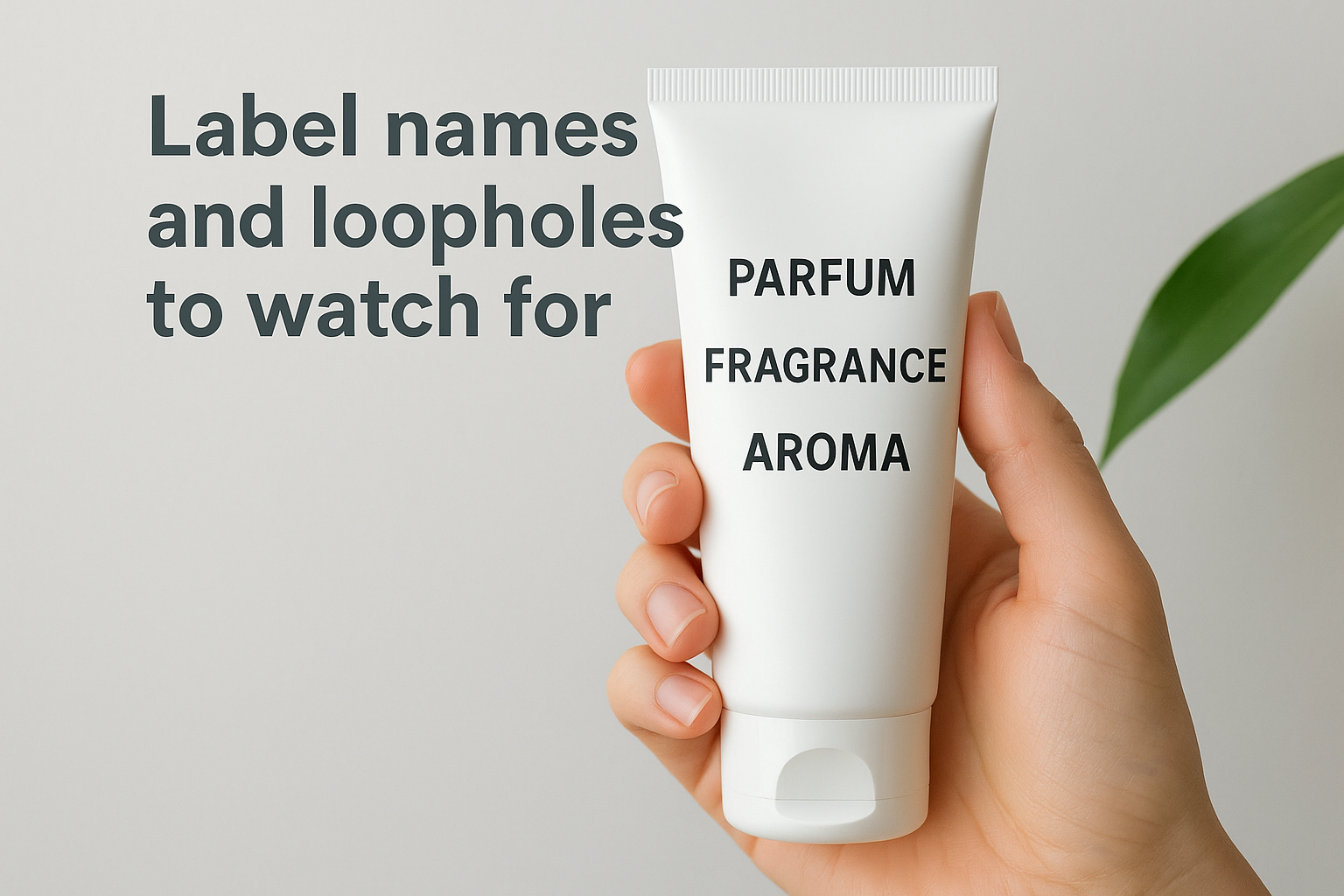
- Parfum or fragrance
- Aroma or aromatic blend
- Essential oil blend or natural fragrance
- Masking fragrance (used in "unscented" products)
The term "unscented" does not mean fragrance-free. Some products use masking fragrances to neutralize odor while still containing irritating compounds underneath.
Where fragrance hides in everyday products
Fragrance shows up in places you would not expect. Toners, body lotions, hair conditioners, and even some sunscreens contain added scent compounds. So do many products labeled "natural" or "clean." Always read the full ingredient list rather than trusting the front-label claims, since marketing language carries no regulatory definition.
Better options for scent-sensitive routines
Look specifically for products labeled "fragrance-free" rather than "unscented." Many brands formulate for reactive skin using short, functional ingredient lists with no added scent compounds. If you enjoy scented products, apply them to clothing rather than directly to skin when possible.
What to do if fragrance already caused a reaction
Stop using the product immediately and rinse the affected area with cool water. Apply a gentle, fragrance-free moisturizer to support your skin barrier recovery. If swelling, blistering, or spreading redness develops, contact a dermatologist. Keep a short log of products that caused reactions so you can identify patterns across your routine faster.
2. Denatured alcohol
Denatured alcohol, listed as alcohol denat. on labels, is a formula staple in products that promise a quick-dry or lightweight finish. For sensitive skin, it ranks among the most damaging ingredients to avoid for sensitive skin because it strips your barrier with every application.
Why denatured alcohol can sting and dry you out
Denatured alcohol dissolves the lipid layer that holds your skin barrier together, which creates immediate tightness and stinging on contact. Over time, this breakdown means your skin loses the ability to retain moisture, so irritation builds up with repeated use rather than fading.
A weakened skin barrier turns every other product in your routine into a potential irritant, not just the alcohol itself.
Label names that signal drying alcohols
Look for these terms when scanning an ingredient list:
- Alcohol denat. or SD alcohol
- Ethanol or isopropyl alcohol
- Benzyl alcohol (problematic in higher concentrations)
Products where denatured alcohol shows up most
You'll find denatured alcohol most often in toners and setting sprays because it speeds up absorption and creates a non-greasy finish. It also appears in acne treatments and some lightweight serums, where that fast-drying effect is marketed as a benefit.
Better alternatives and how to choose textures that work
Look for water-based or gel formulas that achieve lightweight textures without drying agents. Ingredients like hyaluronic acid and niacinamide deliver similar finish qualities while actively supporting your skin barrier instead of breaking it down.
When fatty alcohols may still be okay
Fatty alcohols such as cetyl alcohol and stearyl alcohol behave very differently from denatured alcohol. These emollient compounds help seal in moisture and are generally well-tolerated by sensitive skin, so seeing "alcohol" on a label does not automatically mean the product will cause a reaction.
3. Sulfates and harsh surfactants
Sulfates are the foaming agents responsible for that rich, sudsy lather in cleansers and shampoos. While they do a thorough job removing dirt, they often remove too much, stripping away the natural oils your skin needs to stay balanced and protected.
How strong cleansers disrupt the skin barrier
Your skin barrier relies on a thin layer of lipids and natural moisturizing factors to hold moisture in and keep irritants out. Sulfates dissolve that layer during cleansing, which leaves your skin exposed and reactive after every wash. Repeated use causes cumulative damage that shows up as dryness, flaking, and increased sensitivity over time.
A cleanser should leave your skin feeling clean and comfortable, not tight and stripped.
Label names to avoid beyond just SLS
Sodium lauryl sulfate (SLS) gets the most attention, but other sulfates cause the same problems. Watch for sodium laureth sulfate (SLES), ammonium lauryl sulfate, and cocamide DEA on ingredient lists.
Common products that over-cleanse sensitive skin
Sulfates appear most often in foaming face washes, body washes, and shampoos. Some makeup removers and exfoliating cleansers also contain them, making these key ingredients to avoid for sensitive skin in multiple steps of your routine.
Gentle cleansing alternatives that still remove sunscreen
Look for micellar waters and cream or gel cleansers built around mild surfactants like cocamidopropyl betaine or coco-glucoside. These formulas lift away sunscreen and makeup without disrupting your barrier.
Signs your cleanser is too harsh and how to reset
If your skin feels tight or looks red within minutes of washing, your cleanser is too aggressive. Switch to a gentler formula and use a fragrance-free moisturizer immediately after cleansing to help your barrier recover.
4. Essential oils and cooling agents
Essential oils appear in countless products marketed as clean, natural, or botanical. But natural does not mean non-irritating, and for sensitive skin, many essential oils and cooling agents rank among the most disruptive ingredients to avoid for sensitive skin.
Why "natural" irritants can still cause redness
Your skin's immune system does not care whether a compound comes from a plant or a lab. Natural compounds contain bioactive chemicals that trigger the same contact dermatitis pathway as synthetic fragrance, making the "clean beauty" label potentially misleading for reactive skin types.
Label names to watch for in botanical blends
Recognizing these names on labels helps you avoid reactions before they start. Watch for any of the following:
- Menthol, peppermint oil, or eucalyptus oil
- Lavender oil (linalool, linalyl acetate)
- Citrus oils such as bergamot, lemon, and lime
- Tea tree oil (melaleuca alternifolia)
The biggest offenders for sensitive skin
Peppermint and eucalyptus activate nerve receptors to create cooling sensations, which translates to burning and redness on reactive skin. Citrus-derived oils carry phototoxic risk too, meaning sun exposure after application can significantly worsen irritation.
Your skin doesn't distinguish between a synthetic irritant and a plant-derived one. The inflammatory response is identical.
Safer ways to use botanicals without the burn
Reach for products built around non-volatile botanical extracts like oat or green tea, which deliver soothing and antioxidant benefits without the reactive volatile compounds found in concentrated essential oils.
How to troubleshoot if you react to a "clean" product
Scan the full ingredient list for any botanical oil or extract before concluding the product is truly gentle. Patch test every new addition on your inner forearm for 48 hours before applying it to your face.
5. Chemical sunscreen filters
Chemical sunscreens absorb UV radiation and convert it into heat, which then releases through the skin. For sensitive skin types, this process is one reason certain filters belong on your list of ingredients to avoid for sensitive skin in daily routines.
Why some UV filters irritate sensitive skin
Chemical UV filters penetrate the skin to do their job, which means they interact directly with skin cells and nerve endings below the surface. This penetration triggers flushing, stinging, and redness in people with reactive or rosacea-prone skin far more readily than physical alternatives do.
Label names for common chemical filters
Scan ingredient lists for these problematic filters before purchasing any sunscreen:
- Oxybenzone (benzophenone-3)
- Avobenzone and octinoxate (octyl methoxycinnamate)
- Homosalate and octocrylene
When chemical sunscreens cause eye sting and rashes
Chemical filters migrate with sweat and sebum, which explains why many people experience eye stinging or periorbital rashes with these formulas. If your eyes water shortly after applying sunscreen, the formula is likely traveling from your forehead into your eye area.
Switching sunscreen formula is one of the fastest ways to eliminate unexplained eye irritation from your daily routine.
Mineral sunscreen options and how to avoid white cast
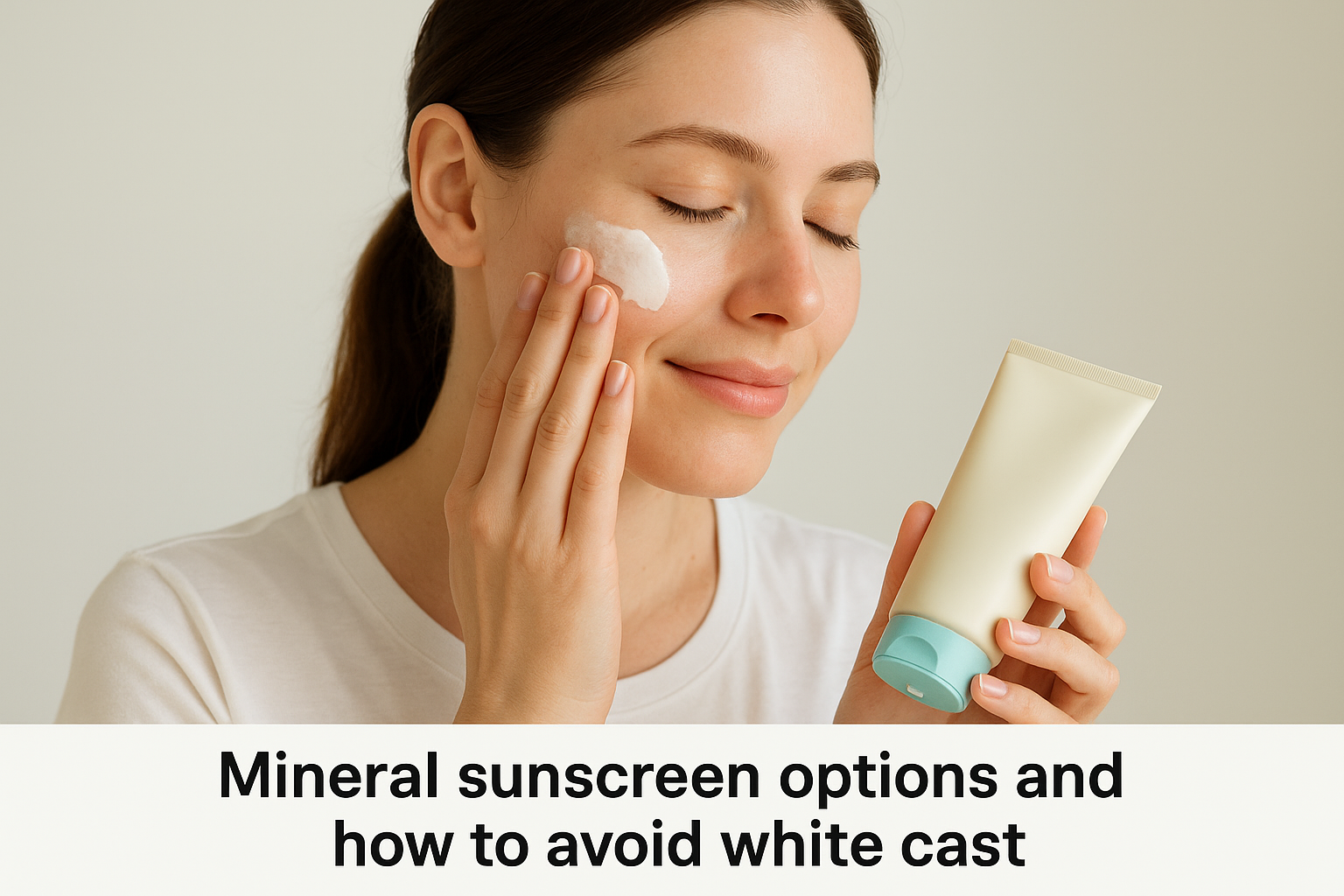
Zinc oxide and titanium dioxide sit on top of skin rather than absorbing into it, making them the safer choice for reactive skin. Look for micronized mineral formulas with a tinted finish to cut the white cast without adding synthetic dyes.
How to patch test sunscreen the right way
Apply a small amount of sunscreen to your inner forearm and leave it on for 24 to 48 hours. Then test it on your jawline for another 48 hours before applying it to your full face.
Your sensitive-skin shopping checklist
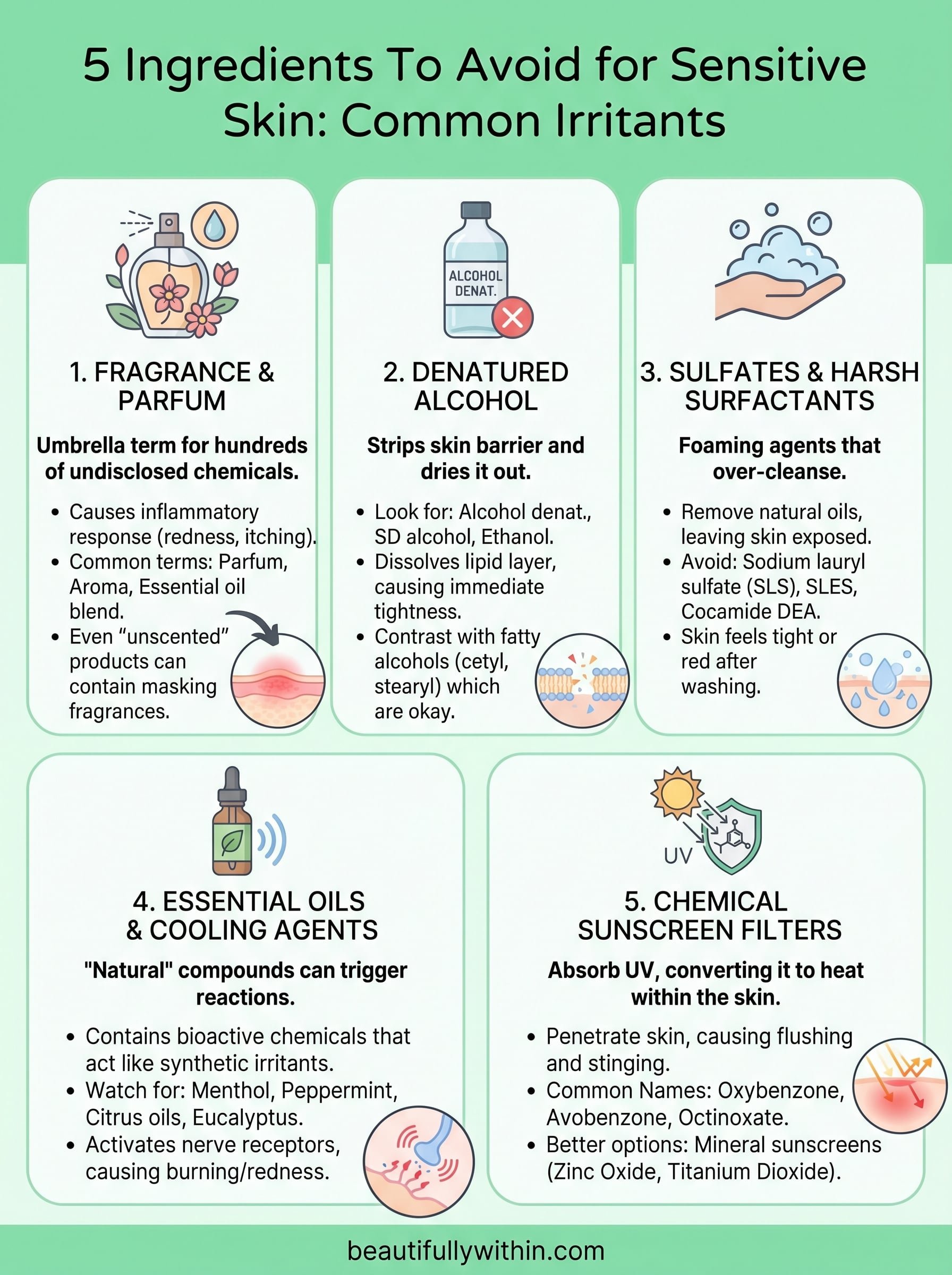
Building a routine that works starts with reading labels before anything else. The five ingredients to avoid for sensitive skin covered here, fragrance, denatured alcohol, sulfates, essential oils, and chemical sunscreen filters, show up across nearly every product category. Before you buy, flip the bottle over and scan the full ingredient list rather than relying on front-label claims like "gentle" or "natural." Patch test every new product on your inner forearm for at least 48 hours, then on your jawline before your full face. Keep your routine short and functional, because fewer ingredients mean fewer chances for a reaction to develop.
When you're ready to refresh your routine with products formulated for sensitive skin, our skincare collection is a solid place to start. Every product there is curated with skin health and real results in mind, so you can shop with confidence and skip the guesswork entirely.
✨ Shop the Look at Beautifully Within
Loved this guide? Discover our hand-picked picks that pair perfectly with your routine:
- 👉 Bakuchiol Gentle Retinol Alternative Serum — Serum
- 👉 Rose Quartz Ayurvedic Facial Massage Tool — Spa Tool
New customer? Get 15% off orders $50+ with code WITHIN15 — plus free shipping over $75.
0 comments