

Your skin stings after applying a new moisturizer. A fragrance that everyone else loves makes your face break out in red patches. You've stopped counting how many products you've tossed after one use. If any of this sounds familiar, you're already picking up on the signs of sensitive skin, even if you haven't put a name to it yet. Roughly 60-70% of women report some degree of skin sensitivity, so you're far from alone. But telling the difference between a one-time reaction and an ongoing skin type matters, because it changes how you should care for your skin entirely.
Sensitive skin isn't just about redness or irritation. It can show up as dryness, burning, breakouts, or a tight feeling that won't quit, often triggered by ingredients, weather, stress, or even hot water. The tricky part? These symptoms overlap with other conditions, which makes it easy to misidentify what's actually going on. Understanding your specific triggers is the first step toward building a routine that works with your skin, not against it.
That's exactly why we created this guide at Beautifully Within. We focus on helping people find products that are genuinely good for their skin, especially those who've dealt with sensitivity and are tired of the trial-and-error cycle. Below, we'll walk you through five clear signs that point to sensitive skin, the most common triggers behind them, and practical steps you can take to feel comfortable in your skin again.
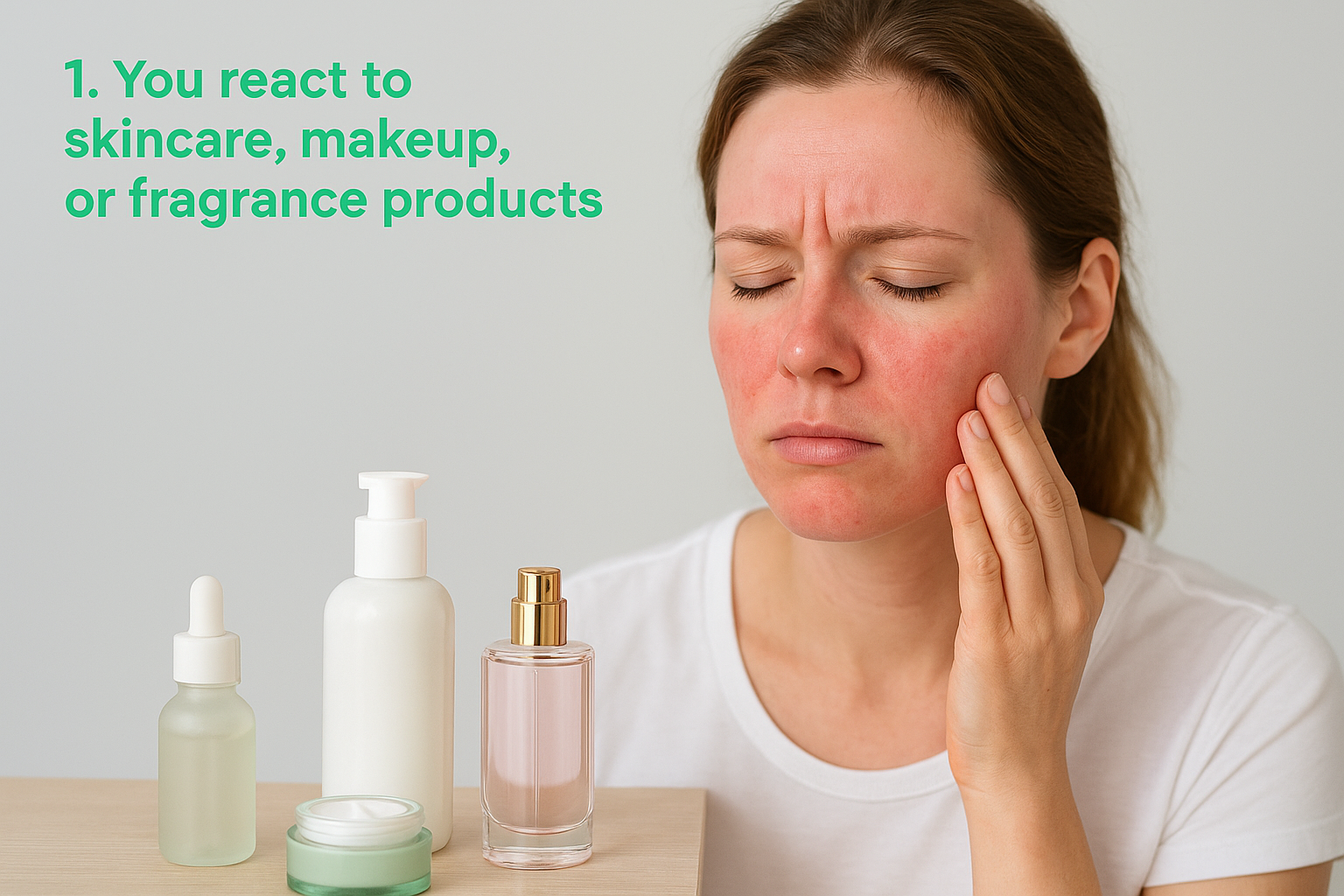
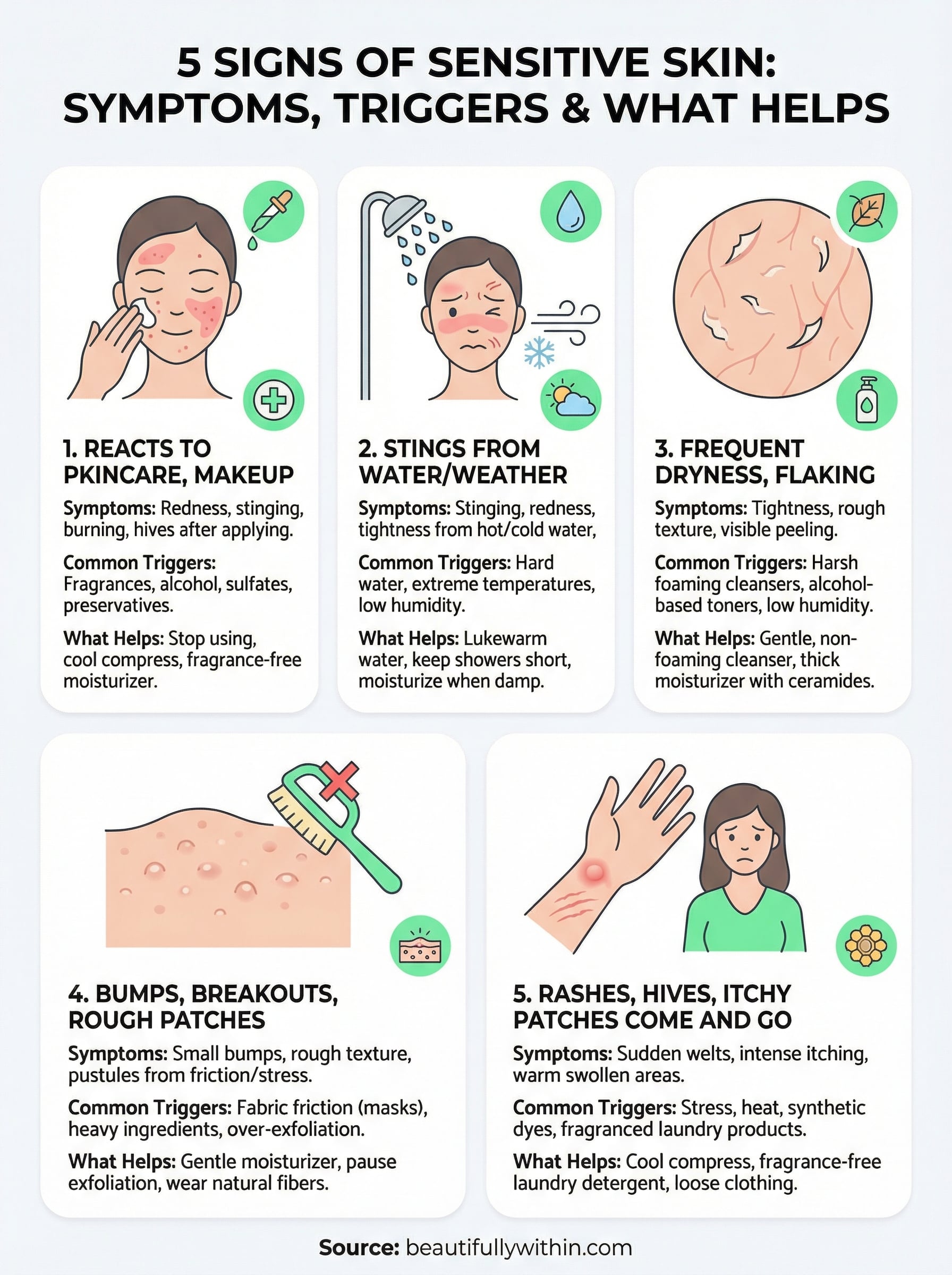
1. You react to skincare, makeup, or fragrance products
One of the clearest signs of sensitive skin is consistently reacting to products that most people use without issue. If you apply a new serum and your face turns red within minutes, or a perfume leaves you with itchy patches, your skin barrier is likely more reactive than average. These reactions follow a pattern, and recognizing it is how you start making smarter choices for your skin.
What it looks and feels like
Reactions show up as redness, stinging, or a burning sensation shortly after applying a product. You might also notice small bumps, hives, or patchy dryness that wasn't there before. Fragrance-triggered reactions often concentrate around the neck or chest, wherever you applied the product directly.
A delayed response is also common: a low-grade tightness or itching that builds slowly over several hours rather than flaring up right away. Keeping a simple log of what you apply and when can help you connect symptoms to a specific product.
Common triggers to check first
The ingredients most likely to cause reactions are fragrances, alcohol, sulfates, and preservatives like methylisothiazolinone. Check the full ingredient label before writing off a product entirely.
- Fragrances and parfum
- Denatured alcohol
- Sulfates (SLS, SLES)
- Preservatives like methylisothiazolinone
- Essential oils, glycolic acid, and retinoids
Patch testing a new product on a small skin area for 24 to 48 hours before full application is one of the most reliable ways to catch a reaction before it spreads.
What helps right now
Stop using the triggering product and rinse the area with cool water. Apply a fragrance-free, minimal-ingredient moisturizer to support your skin barrier while it recovers. Going forward, introduce new products one at a time so you can isolate the cause if a reaction occurs.
Look for products specifically labeled "for sensitive skin," "fragrance-free," and "hypoallergenic." These labels reduce your exposure to the most common reactive ingredients.
When to see a dermatologist
See a dermatologist if reactions are severe, spreading quickly, or not resolving within a few days. Symptoms like swelling around the eyes or lips require prompt attention. A specialist can run formal patch testing to identify your specific allergens and rule out conditions like contact dermatitis.
2. Your skin stings or burns from water or weather
Another clear sign of sensitive skin is feeling stinging or burning from everyday exposures that most people barely notice, like tap water or cold air. When your skin barrier is weakened, even minor environmental stressors can cause immediate discomfort.
What it looks and feels like
Your skin may sting after rinsing with hot water or feel raw when cold wind hits your face. Visible redness or flushing that takes time to settle after you go indoors is one of the most reliable signals.
A tight, tender sensation that stays for hours is also common, and it's often mistaken for dryness rather than recognized as a sensitivity reaction.
Common triggers to check first
Hard water minerals, extreme temperatures, and low indoor humidity are frequent culprits. Hot showers and forced-air heating both strip moisture from a barrier that's already working hard to protect you.
Wind and sun exposure make these reactions worse, especially in winter when skin has less natural moisture to draw on.
- Hard water mineral deposits
- Hot or very cold water
- Low humidity from heating systems
- Cold wind and dry outdoor air
What helps right now
Switch to lukewarm water and keep showers under 10 minutes. Apply a fragrance-free moisturizer immediately after washing while your skin is still slightly damp.
- Pat skin dry gently instead of rubbing
- Wear a scarf or face covering outdoors in cold weather
When to see a dermatologist
Book an appointment if stinging or burning occurs with gentle water and no products involved. This pattern suggests your barrier is severely compromised or another condition may be contributing.
Persistent facial flushing could indicate rosacea, which needs targeted treatment rather than routine changes alone.
3. You have frequent dryness, tightness, and flaking
Persistent dryness is one of the more subtle signs of sensitive skin, but it's also one of the most disruptive. If your skin feels tight, rough, or flaky on a near-daily basis, your skin barrier isn't holding moisture the way it should.
What it looks and feels like
Your skin may feel stretched or uncomfortable shortly after washing, even if you apply moisturizer right away. Visible flaking or peeling, especially around the nose, cheeks, or chin, tends to worsen in colder months or dry indoor environments.
- A tight feeling that returns within hours of moisturizing
- Rough or uneven texture that makeup clings to
- Redness or sensitivity that accompanies the dryness
Common triggers to check first
Harsh foaming cleansers and low indoor humidity are the most frequent causes of chronic dryness in sensitive skin. Long, hot showers and alcohol-based toners strip moisture from a barrier that's already struggling to stay intact.
Switching from a foaming cleanser to a cream or oil-based formula is often the single most effective change for persistent dryness and tightness.
What helps right now
Apply a thick, fragrance-free moisturizer immediately after washing while your skin is still slightly damp. Look for ingredients like ceramides, glycerin, and hyaluronic acid, which help rebuild the moisture barrier without triggering irritation.
When to see a dermatologist
See a dermatologist if dryness and flaking persist despite switching to gentle products and consistent moisturizing. Conditions like eczema or psoriasis produce overlapping symptoms and require targeted treatment beyond routine adjustments.
4. You get bumps, breakouts, or rough patches easily
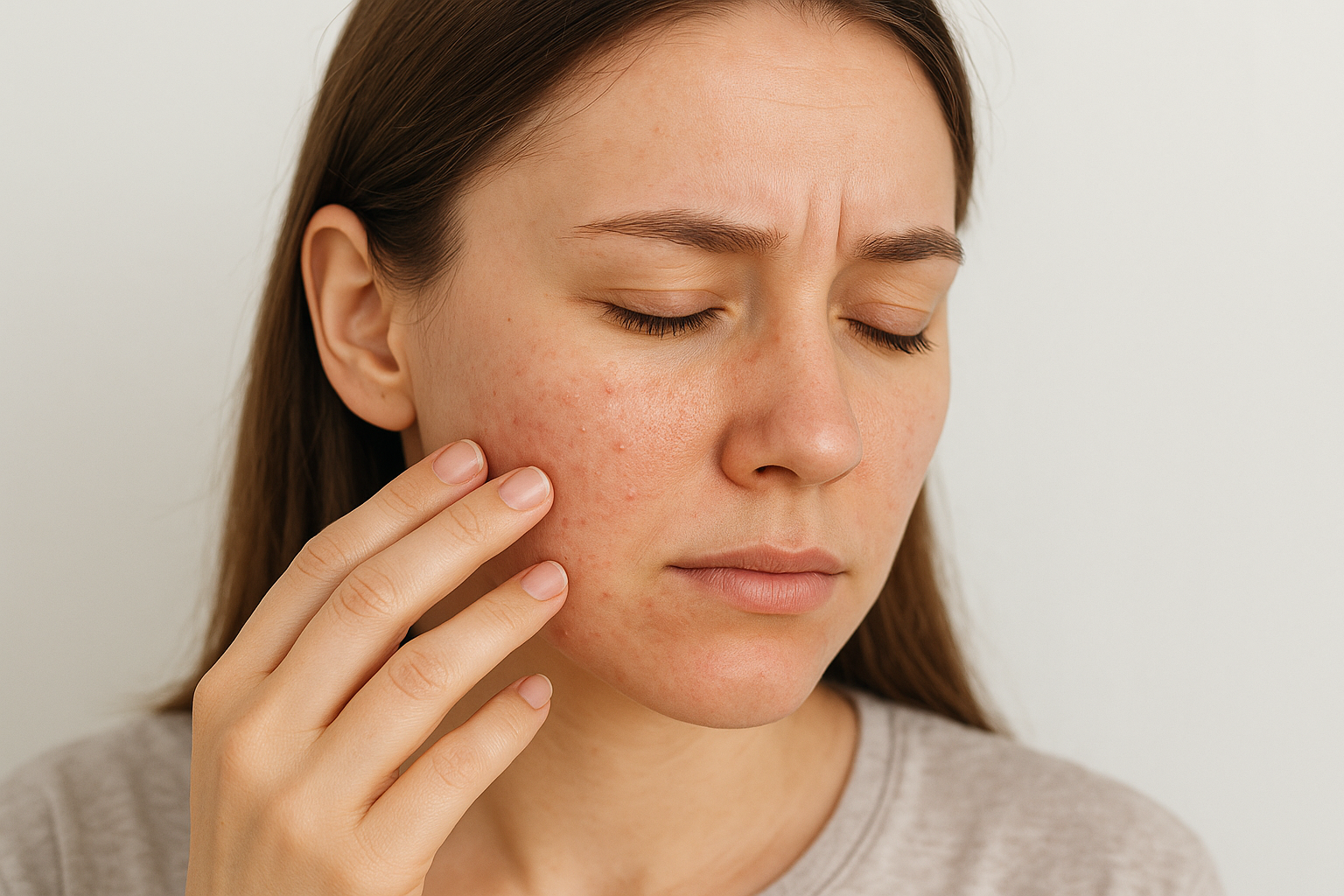
Breakouts and rough texture aren't always signs of oily or acne-prone skin. For people with sensitive skin, small bumps and rough patches often appear in response to friction, ingredients, or environmental stress rather than clogged pores. Recognizing this distinction is one of the more underappreciated signs of sensitive skin and one that leads many people to choose the wrong products.
What it looks and feels like
Your skin may develop small, sandpaper-like bumps on the cheeks, chin, or forehead that aren't quite pimples but won't go away. Rough texture that feels uneven to the touch is another common sign, along with occasional pustules that appear after switching products or after prolonged friction from clothing or masks.
Common triggers to check first
Synthetic fabrics, heavy occlusive ingredients, and over-exfoliation are three of the most common causes of this reaction pattern. Using a physical exfoliant too frequently removes the protective layer your skin needs to stay calm.
Cutting back to one exfoliation session per week often reduces bumps and rough patches faster than adding more products to your routine.
- Heavy silicones or pore-blocking ingredients
- Fabric friction from masks or scarves
- Over-use of exfoliants (physical or chemical)
What helps right now
Switch to a gentle, non-comedogenic moisturizer and pause all exfoliation for at least one week. Allow your skin barrier to recover before reintroducing any active ingredients.
When to see a dermatologist
Book an appointment if bumps spread rapidly or become inflamed. A dermatologist can rule out conditions like keratosis pilaris or folliculitis, which require specific treatment approaches.
5. You get rashes, hives, or itchy patches that come and go
Intermittent rashes and itchy patches that appear without a clear cause are among the most frustrating signs of sensitive skin. They tend to disappear on their own, which makes them easy to dismiss, but their recurring pattern is exactly what signals an underlying sensitivity issue worth addressing.
What it looks and feels like
Red, raised welts or hives can appear suddenly and then fade within a few hours, often leaving no visible trace. Your skin may feel intensely itchy, warm, or slightly swollen in the affected area, and the location can shift from one episode to the next, making it harder to pinpoint a cause.
Common triggers to check first
Stress, heat, and synthetic fabric dyes rank among the most common triggers for recurring hives and itchy patches. Laundry detergents and fabric softeners with added fragrances are easy to overlook but frequently drive this reaction pattern.
Switching to a fragrance-free, dye-free laundry detergent often reduces skin flare-ups faster than changing your entire skincare routine.
- Stress and hormonal shifts
- Synthetic fabric dyes and treated textiles
- Fragranced laundry products
- Heat and sweating
What helps right now
A cool compress applied to the affected area reduces swelling and calms the itch quickly. Avoiding known triggers and wearing loose, natural-fiber clothing gives your skin room to recover without added friction or heat buildup.
When to see a dermatologist
Seek care immediately if hives spread rapidly, affect your throat, or make breathing difficult. For recurring hives without a clear cause, a dermatologist can perform allergy testing to identify specific triggers and determine whether antihistamines or other treatments are appropriate.
Next steps
Recognizing the signs of sensitive skin is the first step, but what you do next determines how much progress you actually make. Start by simplifying your routine, cutting products down to a gentle cleanser, a barrier-supporting moisturizer, and SPF. Introduce anything new one product at a time, and give each one at least two weeks before drawing conclusions.
Beyond products, pay attention to the full picture: your laundry detergent, the fabric against your face, your stress levels, and even your water temperature. Small, consistent changes tend to produce more lasting results than overhauling everything at once.
When you're ready to shop smarter for your skin, our skincare collection features fragrance-free and sensitive-skin-friendly options curated to reduce the guesswork. You can also reach out directly through our contact page if you want personalized guidance before you buy.
✨ Shop the Look at Beautifully Within
Loved this guide? Discover our hand-picked picks that pair perfectly with your routine:
- 👉 Bakuchiol Gentle Retinol Alternative Serum — Serum
- 👉 Fresh Start Hydrating Cleanser & Toner Duo — Skincare Set
- 👉 Rose Quartz Ayurvedic Facial Massage Tool — Spa Tool
- 👉 Professional Airbrush Foundation — 3 Shade Set — Makeup
New customer? Get 15% off orders $50+ with code WITHIN15 — plus free shipping over $75.
0 comments