

How to Wash Hair Properly at Home for Healthy, Shiny Hair
You probably wash your hair several times a week. But here's the thing. Most people never learned the proper technique. They apply shampoo randomly, scrub everywhere, and wonder why their hair looks dull or gets greasy fast. Bad washing habits strip natural oils, leave buildup on your scalp, and damage your strands over time. Your hair could look healthier and feel softer with a few simple changes.
The good news? Washing your hair correctly doesn't require expensive products or salon visits. It's about following the right steps in the right order. Start at your scalp instead of your ends. Use the proper water temperature. Know when to apply conditioner and when to skip it. These small adjustments make a real difference.
This guide walks you through every step of washing your hair at home. You'll learn how to prep your hair before you shower, the best way to apply shampoo and conditioner, common mistakes that damage your hair, and how to dry your hair without causing frizz. By the end, you'll have a simple routine that leaves your hair looking its best.
Why proper washing matters for your hair
Your hair and scalp need the right washing technique to stay healthy. When you wash incorrectly, you strip away natural oils that protect your strands. This leaves your hair dry and brittle. You also leave behind product buildup that clogs follicles and makes your scalp itchy. Your hair becomes harder to style and loses its natural shine. The damage adds up over time, leading to breakage and slow growth.
The effects of poor washing technique
Poor washing habits create problems you deal with every day. Scrubbing your hair instead of your scalp tangles your strands and roughens the cuticle layer. Using water that's too hot opens the hair cuticle too much, letting moisture and color escape. When you don't rinse thoroughly, leftover shampoo weighs your hair down and makes it look greasy faster. Learning how to wash hair properly fixes these issues. Your scalp produces the right amount of oil. Your hair retains moisture better. You reduce frizz and breakage.
Clean, healthy hair starts with technique, not expensive products.
Step 1. Get your hair and products ready
Getting ready to wash your hair starts before you step into the shower. This prep work removes tangles and helps you choose the right products. Skip this step and you'll struggle with knots during shampooing, which causes unnecessary breakage. Taking two minutes to prepare makes the entire washing process easier and protects your hair from damage.
Choose the right shampoo for your hair type
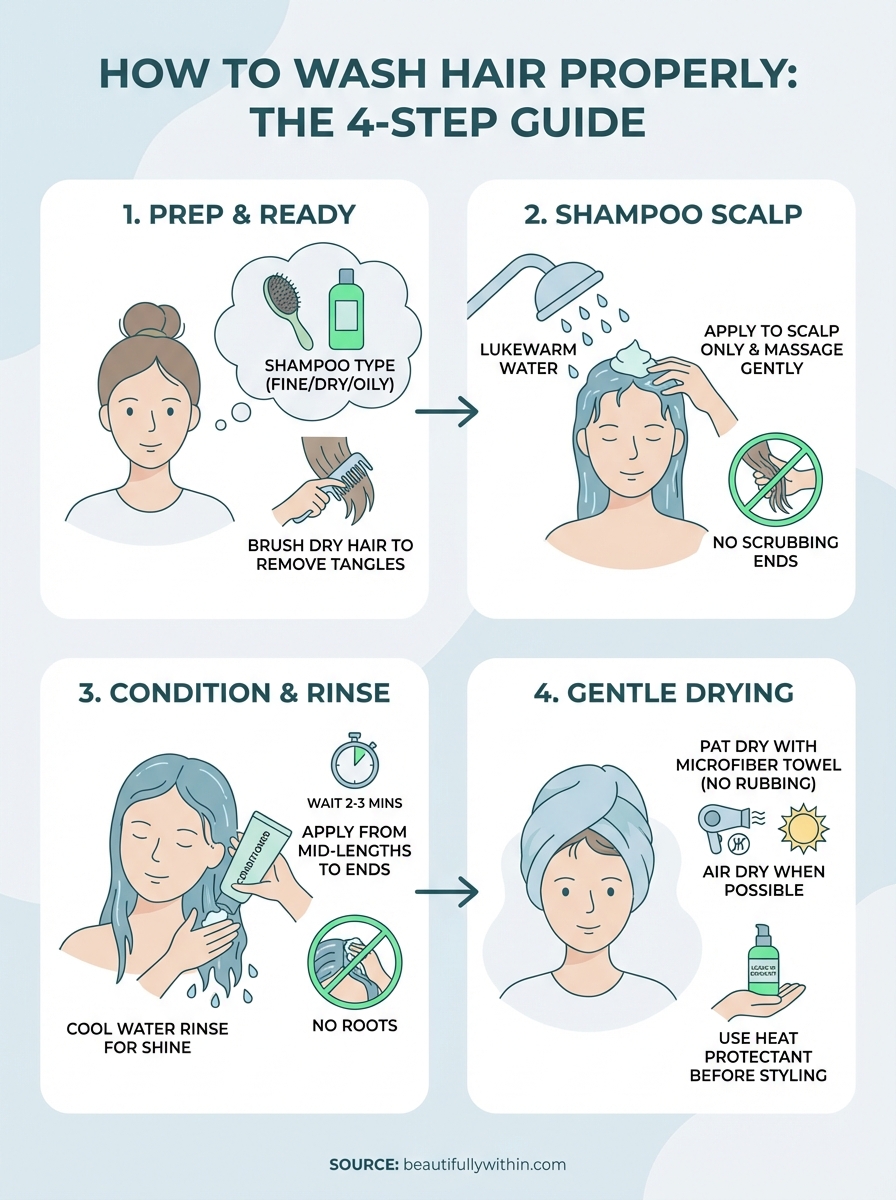
Your shampoo should match your hair's specific needs. Fine or oily hair needs a lightweight, clarifying formula that removes buildup without adding weight. Thick or dry hair requires moisturizing shampoos with ingredients like coconut oil or shea butter. Color-treated hair needs sulfate-free options to prevent fading. Check the bottle for keywords that match your concerns: "volumizing" for fine hair, "hydrating" for dry strands, or "smoothing" for frizzy texture.
The right shampoo solves half your hair problems before you even start washing.
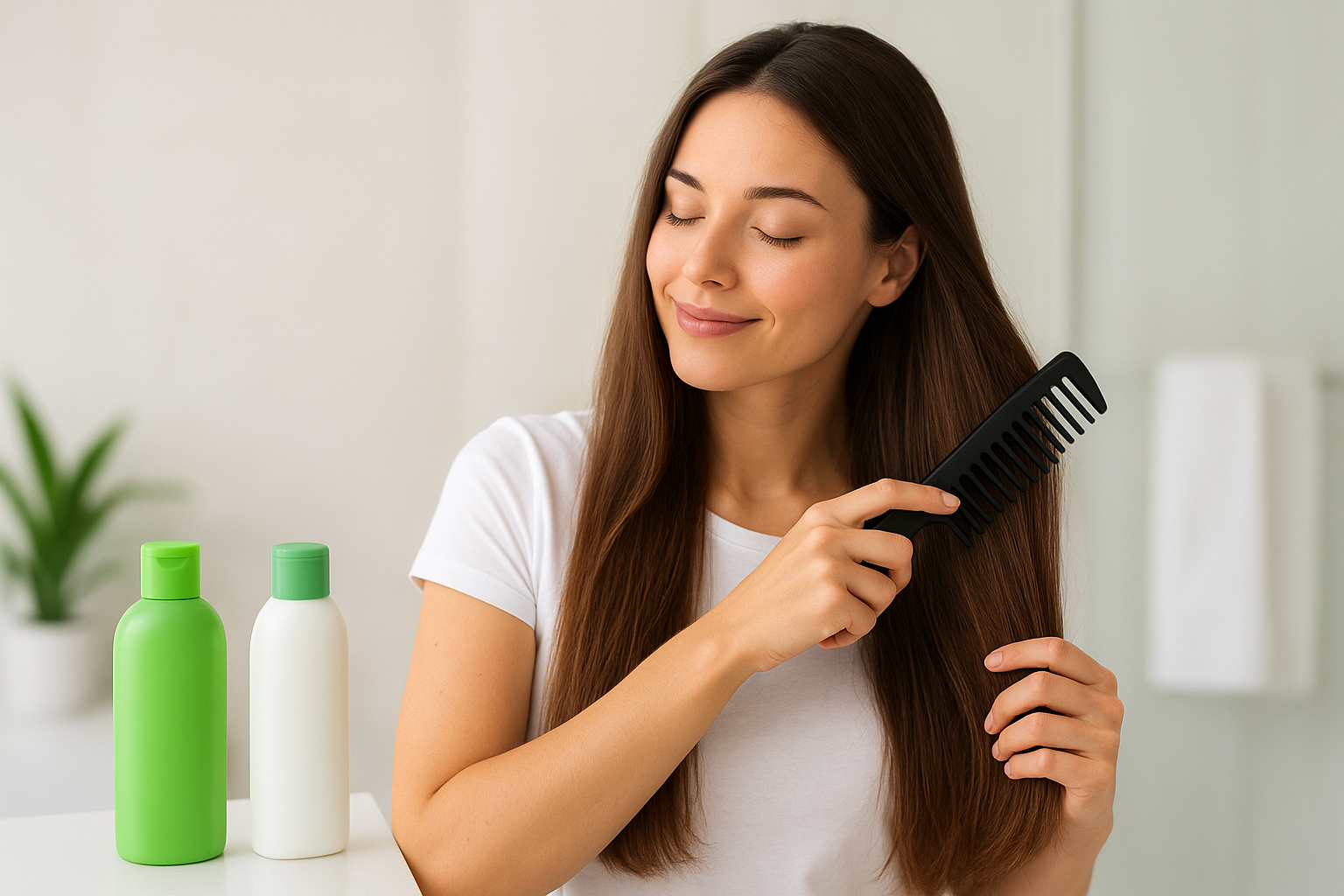
Brush before you shower
Brush your hair thoroughly while it's still dry to remove tangles and distribute natural oils from your scalp down to your ends. Start at the bottom and work your way up in sections to avoid pulling. Use a wide-tooth comb for curly or textured hair and a paddle brush for straight hair. This step is crucial when learning how to wash hair properly because wet hair tangles more easily and breaks faster when you try to detangle it in the shower.
Step 2. Shampoo your scalp the right way
The key to learning how to wash hair properly lies in focusing on your scalp, not your hair. Your scalp produces oil and collects dirt, product buildup, and dead skin cells. Your hair shaft doesn't need direct scrubbing because the shampoo naturally cleans it as you rinse. Most people make the mistake of rubbing shampoo into their lengths and ends, which causes tangling and strips away protective oils. This section shows you the exact technique professionals use.
Wet your hair with lukewarm water
Spray your hair thoroughly with lukewarm water for at least 60 seconds before adding any product. Hot water opens your cuticles too much and causes color to fade faster. Cold water doesn't allow shampoo to work effectively. The ideal temperature feels warm but not steaming on your scalp. Saturate every section by lifting your hair and directing water underneath. Your hair should feel heavy and dripping wet, not just damp on the surface.
Apply shampoo to your scalp only
Pour a quarter-sized amount of shampoo into your palm for short to medium hair. Double that amount for thick or long hair. Rub your hands together, then apply the product directly to your scalp along your hairline. Work the shampoo into your crown, sides, and back of your head. Focus on the roots where oil accumulates. Avoid piling your hair on top of your head or scrubbing the lengths.
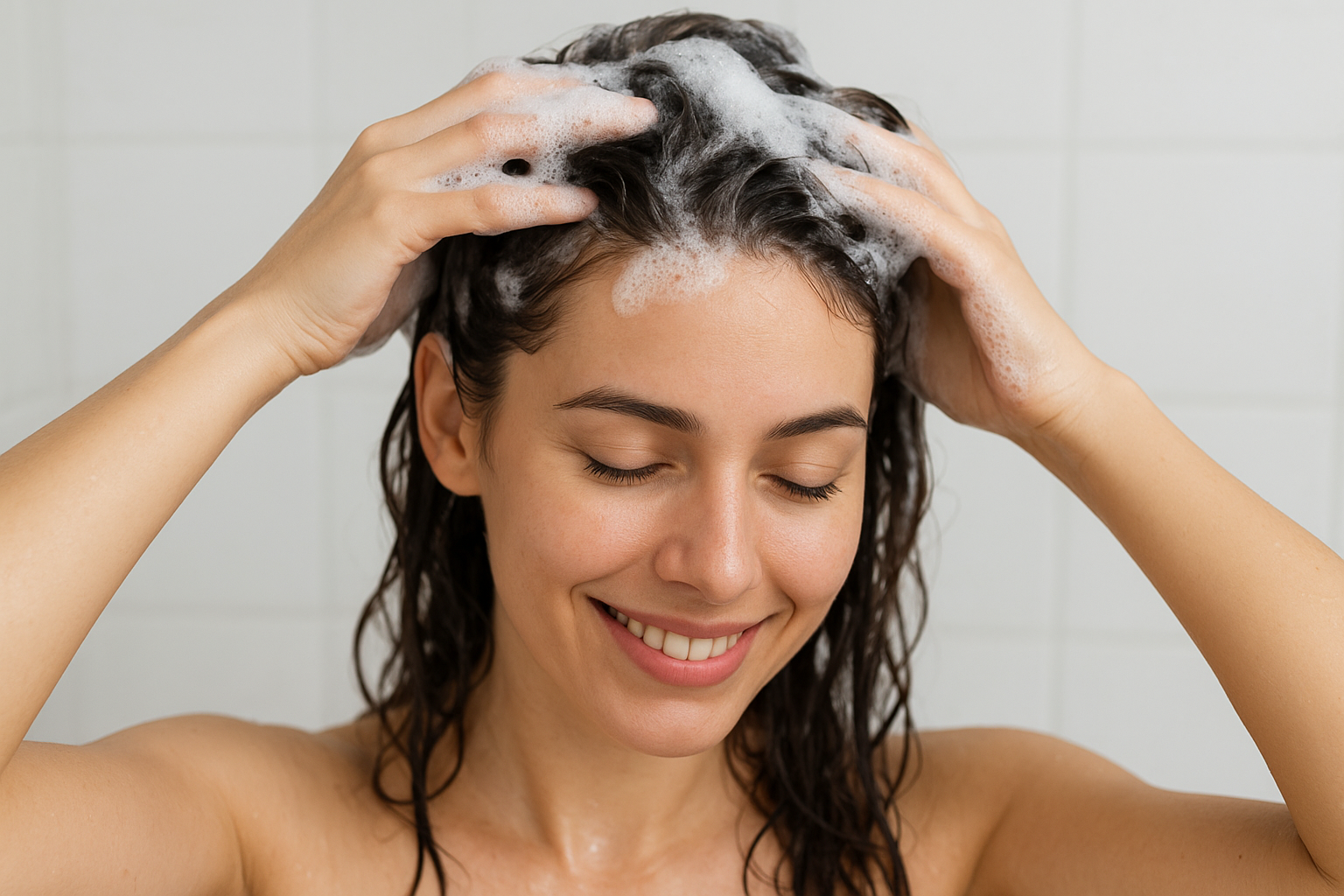
Your scalp needs the cleaning, not your hair ends.
Massage with your fingertips, not your nails
Use circular motions with your fingertips to massage shampoo into your scalp for 1 to 2 minutes. Keep your nails away from your scalp to avoid scratches and irritation. Apply gentle pressure as you work across every area. The massage boosts blood flow and helps remove buildup. Rinse thoroughly for at least 90 seconds until the water runs clear and your hair squeaks slightly when you run your fingers through it.
Step 3. Condition and rinse for softness
Conditioner works differently than shampoo because it targets your hair strands, not your scalp. After you've rinsed out all the shampoo, squeeze excess water from your hair with your hands. Your hair should still be wet but not dripping heavily. This allows the conditioner to absorb properly without being diluted. Applying conditioner correctly is essential when you learn how to wash hair properly because it protects against damage and adds moisture back to areas that need it most.
Apply conditioner to mid-lengths and ends
Squeeze a quarter-sized amount of conditioner into your palm for short hair or a half-dollar size for long hair. Rub your hands together and apply the product starting at ear level downward, focusing on the ends. Your roots don't need conditioner because they get natural oil from your scalp. Work the conditioner through each section with your fingers, gently detangling as you go. Let it sit for 2 to 3 minutes to penetrate your hair shaft. This waiting period makes the biggest difference in softness.
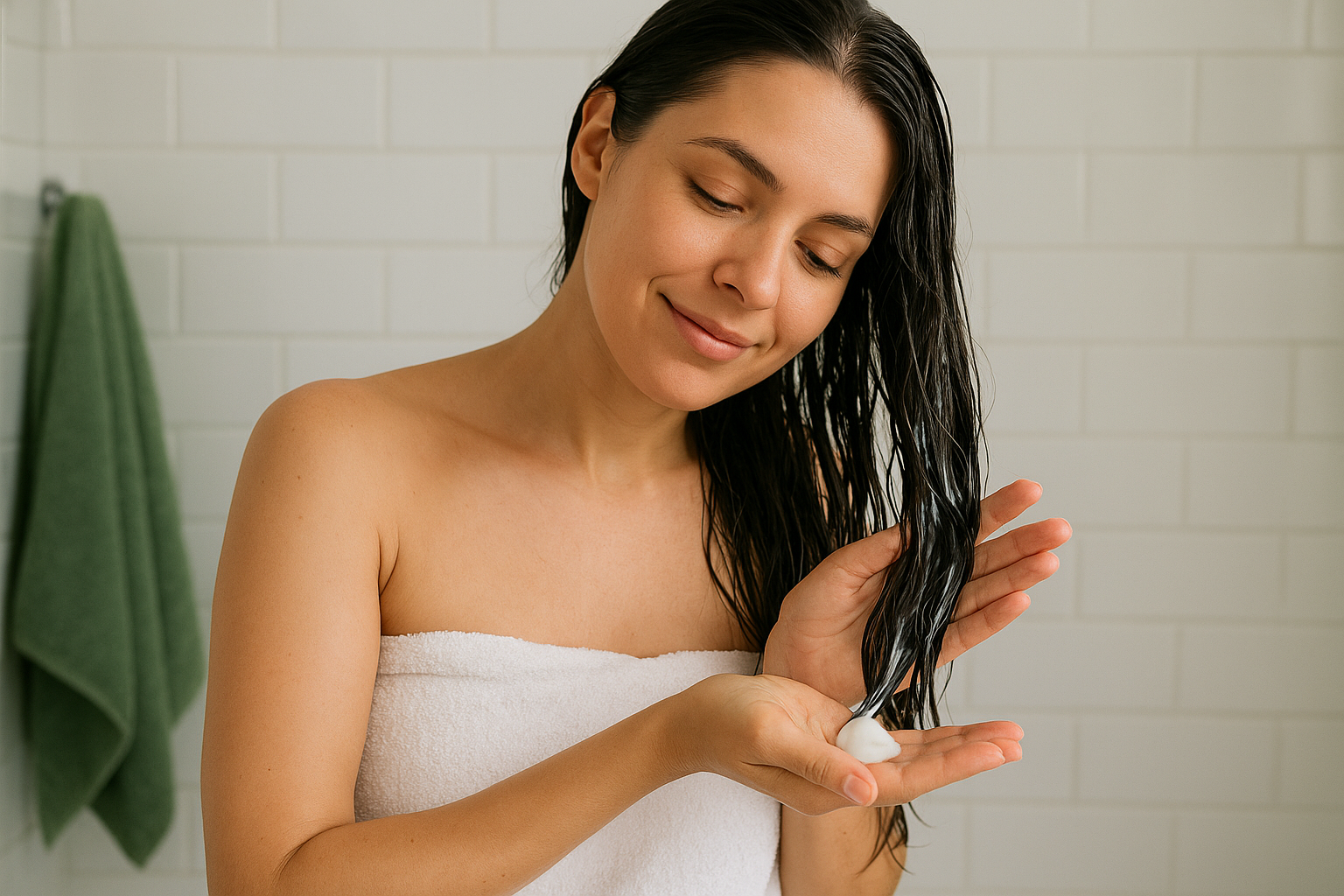
Skip your roots completely when conditioning to avoid greasy, flat hair.
Rinse with cool water for shine
Turn the water temperature to cool before your final rinse. Cool water seals your hair cuticle, which locks in moisture and creates a smoother surface that reflects light better. Rinse for 60 to 90 seconds until the water runs clear and your hair feels slippery, not slick. Tilt your head back and lift sections to ensure you remove all product. Leftover conditioner weighs your hair down and attracts dirt faster between washes.
Step 4. Dry and care for hair after washing
How you dry your hair after washing makes the difference between smooth, healthy strands and frizzy, damaged hair. Your hair is most vulnerable when wet because the cuticle layer swells and opens. Rubbing it aggressively with a towel or applying heat immediately causes breakage and roughens the surface. The techniques you use right after rinsing determine how your hair looks for the next few days. This final step completes the process of learning how to wash hair properly.
Pat your hair dry with a towel
Squeeze excess water from your hair with your hands before reaching for a towel. Use a soft microfiber towel or an old t-shirt instead of regular terry cloth, which creates friction and frizz. Press the towel gently against sections of your hair to absorb water without rubbing. Start at your roots and work down to your ends. Never twist your hair into a tight turban on top of your head because this stretches wet strands and causes breakage at the hairline.

Wet hair breaks five times easier than dry hair, so handle it gently.
Let your hair air dry when possible
Air drying protects your hair from heat damage and preserves moisture. After towel drying, apply a leave-in product like a light serum or cream to damp hair. Comb through with a wide-tooth comb to distribute the product evenly. Let your hair dry naturally for at least 30 minutes before using any heat tools. This reduces the total heat exposure and speeds up styling time.
Protect your hair before heat styling
Apply a heat protectant spray or cream to every section before using a blow dryer, flat iron, or curling tool. Hold your blow dryer six inches away from your hair and keep it moving constantly. Use the lowest heat setting that still dries your hair effectively. Point the nozzle downward along the hair shaft to smooth the cuticle and add shine.
Final thoughts
You now know how to wash hair properly from start to finish. These simple steps protect your hair from damage and keep your scalp healthy. Focus on your scalp when shampooing, condition only your ends, and handle wet hair gently. The right technique matters more than expensive products.
Start applying these washing methods today to see real improvements. Your hair will feel softer and shinier within a few washes. For quality hair care products that support proper washing technique, browse the hair care collection at Beautifully Within.
✨ Shop the Look at Beautifully Within
Loved this guide? Discover our hand-picked picks that pair perfectly with your routine:
- 👉 Chamomile Calming Clarifying Face Wash — Cleanser
- 👉 Ginger Root Nourishing Shampoo & Conditioner Set — Hair Care
New customer? Get 15% off orders $50+ with code WITHIN15 — plus free shipping over $75.
0 comments