

Split ends sneak up on you. One day your hair looks healthy, the next you're spotting frayed ends everywhere. I know this because I've been through it. You try to ignore them, but they keep multiplying, making your hair look dull and damaged no matter how much you style it. The worst part? Once they start, they travel up the hair shaft, turning a small problem into a major one.
You can stop split ends before they happen. This guide walks you through nine stylist approved habits that protect your hair from root to tip. From the way you brush to how you sleep, these practical techniques work together to keep your ends smooth and strong. No salon visit required.It worked for me!
1. Build a split end safe routine with Beautifully Within
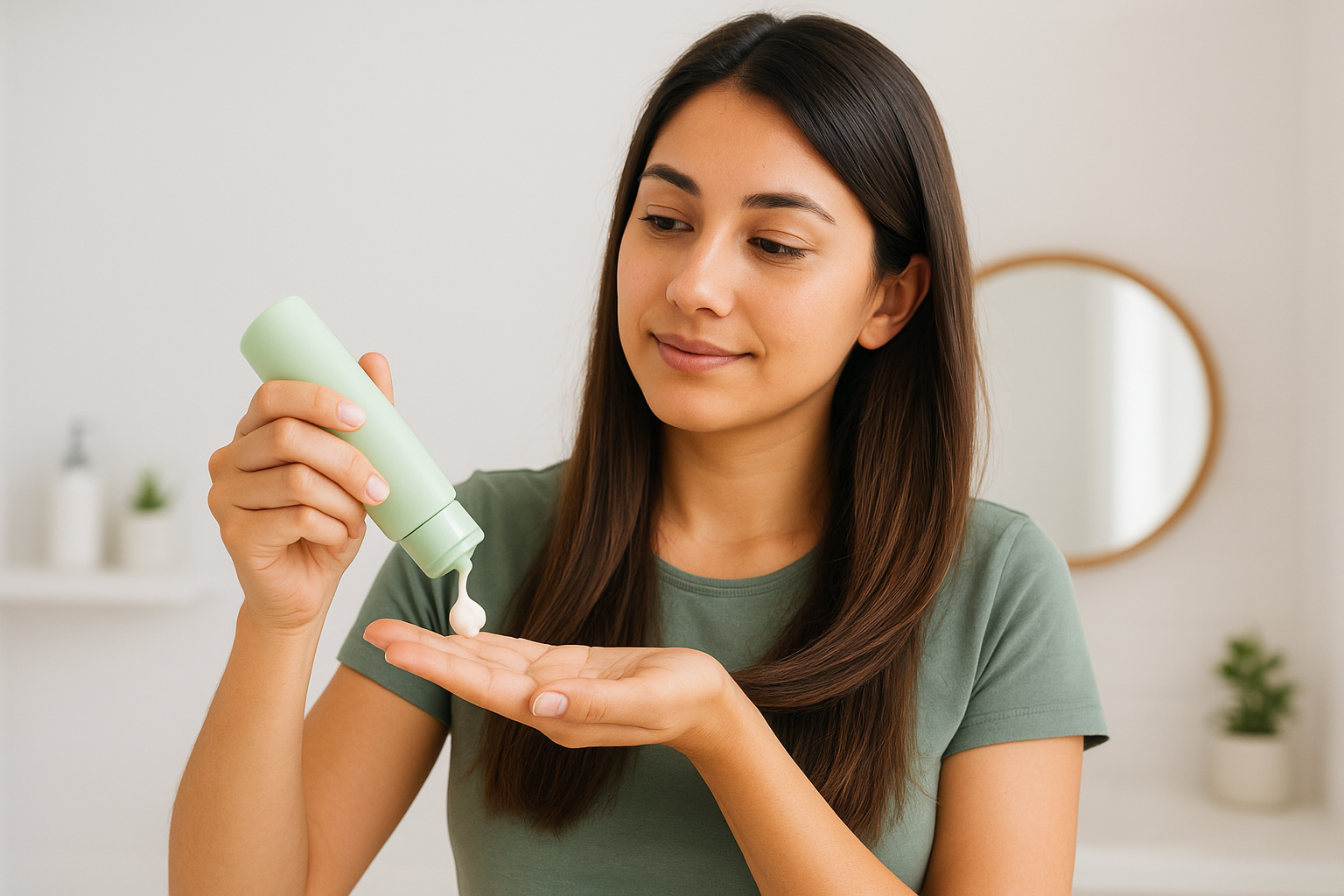
Your daily hair care routine either protects your ends or destroys them. The products you choose and how you apply them make the difference between smooth, healthy hair and a head full of splits. Building a routine around damage prevention starts with understanding what your hair actually needs.
Why this helps prevent split ends
Consistent care keeps your hair shaft strong from root to tip. Quality hair care products deliver the moisture and protein your strands need to stay flexible instead of brittle. When you use the right products in the right order, you create a protective barrier that shields your ends from daily damage. This approach works better than treating split ends after they appear because prevention stops the problem before it starts.
The key to how to prevent split ends lies in what you do every single day, not just when damage becomes visible.
Step by step how to do it
Start with a gentle shampoo that cleans without stripping natural oils. Focus the product on your scalp where oil builds up, then let the lather rinse through your ends. Follow with a hydrating conditioner applied from mid-length to tips, avoiding your roots. Leave it on for two to three minutes before rinsing with cool water to seal the cuticle.
Product and tool tips
Beautifully Within offers targeted hair care solutions that address split end prevention directly. Look for moisturizing masks you can use weekly and leave-in treatments that protect ends between washes. Choose products formulated for your hair type to get the best results.
Extra tips and mistakes to avoid
Never skip conditioner, even when you're rushed. Skipping this step leaves your hair vulnerable to friction and breakage. Avoid over-washing, which strips protective oils and dries out your ends faster than any other habit.
2. Trim regularly to stop splits traveling
Regular trims act as your first line of defense against split end damage. You might think skipping cuts helps you grow longer hair faster, but the opposite happens. Split ends travel upward along the hair shaft, forcing you to cut off more length later. Catching them early means you lose less hair overall and maintain healthier ends year-round.
Why this helps prevent split ends
A split end doesn't stay at the bottom of your hair. The damage moves upward, weakening the entire strand as it goes. Each time you brush, style, or even touch your hair, you push that split further along the shaft. Trimming every six to eight weeks removes damaged ends before they can compromise your healthy hair above.
Step by step how to do it
Schedule cuts with your stylist every six to eight weeks if you have fine or chemically treated hair. Those with thicker, healthier hair can stretch trims to ten to twelve weeks. During your appointment, ask for a dusting trim that removes only damaged ends rather than significant length. Between salon visits, inspect your ends in good lighting and trim any obvious splits yourself with sharp hair scissors.
Regular maintenance trims cost you less length than waiting until damage forces a major cut.
Product and tool tips
Invest in professional hair scissors designed specifically for cutting hair, not paper or fabric. Dull scissors create ragged cuts that split immediately. Keep your scissors clean and sharp between uses to maintain clean cuts every time.
Extra tips and mistakes to avoid
Never tear or rip split ends with your fingers. This rough handling creates additional damage and makes the split travel faster. Avoid trimming wet hair at home because water stretches strands and gives you an inaccurate cut length.
3. Handle wet hair gently
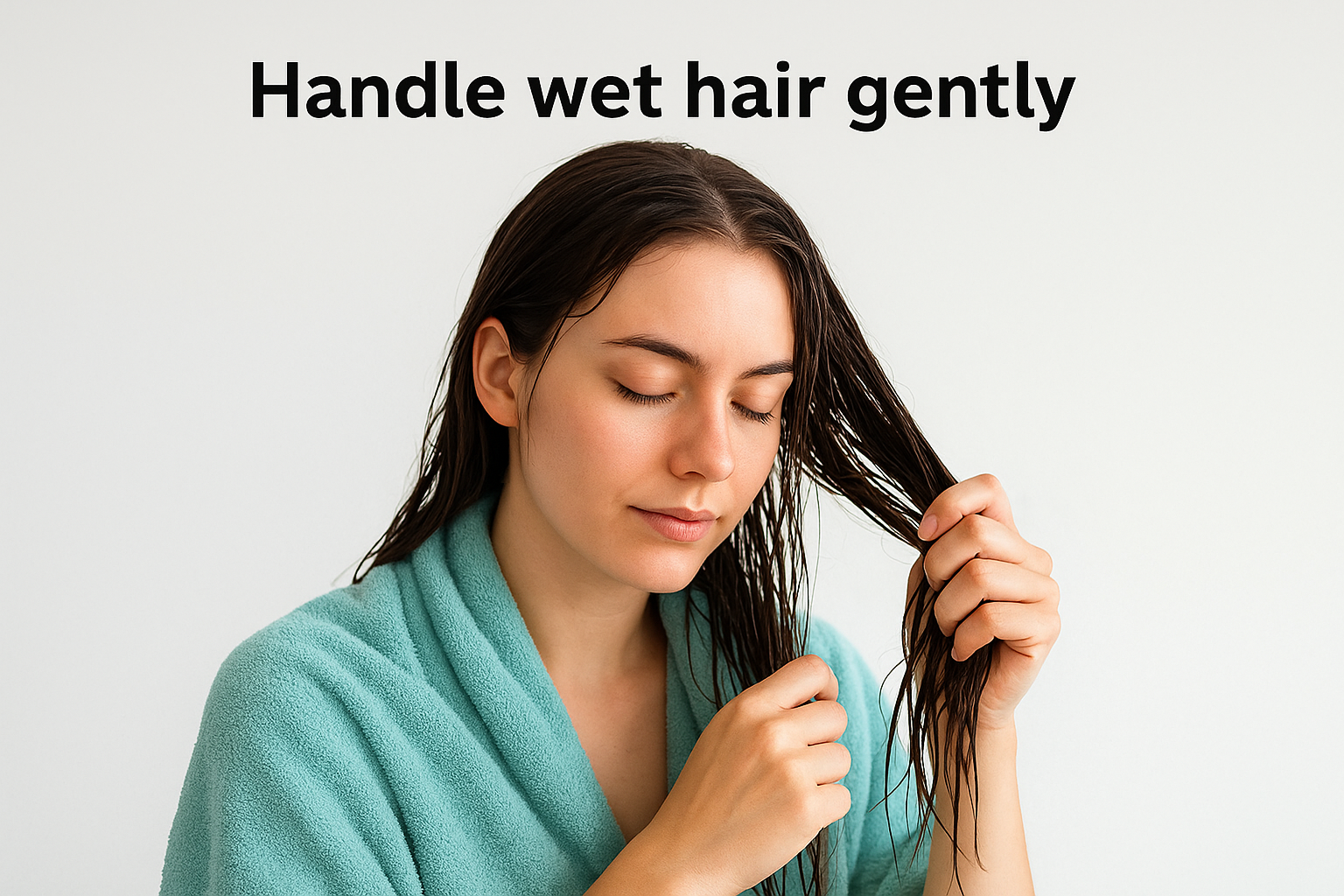
Wet hair stretches up to 30% more than dry hair, making it vulnerable to damage. When you rough up your strands after washing, you cause immediate breakage that leads directly to split ends. The way you treat your hair in those first minutes after the shower determines whether your ends stay strong or start splitting.
Why this helps prevent split ends
Water opens your hair cuticle and weakens the protein bonds that hold your strands together. Rough handling during this vulnerable state creates microscopic tears that develop into full splits over time. Gentle care keeps your cuticle smooth and your bonds intact, preventing the damage that causes splits.
How to prevent split ends starts with recognizing that wet hair needs extra protection, not aggressive styling.
Step by step how to do it
Squeeze excess water from your hair with your hands instead of wringing or twisting. Blot your hair with a microfiber towel or soft t-shirt using gentle pressing motions. Work from roots to ends without rubbing back and forth. Let your hair air dry partially before you apply any heat or styling tools.
Product and tool tips
Switch to a microfiber towel designed for hair drying. These towels absorb water faster than cotton while creating less friction. You can find quality options through major retailers like Amazon that work for all hair types.
Extra tips and mistakes to avoid
Never brush soaking wet hair straight out of the shower. Wait until hair reaches a damp state before attempting to detangle. Avoid piling wet hair into tight buns or ponytails, which creates stress points where splits form most easily.
4. Detangle without breakage
Aggressive detangling ranks among the top causes of split ends. Each time you yank a brush through knotted hair, you snap strands and create weak points that split later. Your detangling technique matters just as much as the products you use or how often you trim.
Why this helps prevent split ends
Knots create tension points where hair strands pull against each other. Forcing a brush through these tangles literally tears the hair shaft, causing immediate damage that shows up as splits within days or weeks. Proper detangling distributes tension evenly and removes knots without sacrificing hair integrity.
Step by step how to do it
Start at your ends and work upward in small sections. Hold the section you're detangling above where you're brushing to prevent pulling on your scalp. Use short, gentle strokes to ease out knots rather than long pulls from root to tip. Work through one small area completely before moving to the next section.
Understanding how to prevent split ends means learning that patience during detangling saves you from damage that lasts for months.
Product and tool tips
Choose a wide-tooth comb for wet hair and a flexible detangling brush with soft bristles for dry hair. Apply a leave-in conditioner or detangling spray before you start to add slip that helps your tool glide through knots. Natural boar bristle brushes work well for smoothing already detangled hair without causing breakage.
Extra tips and mistakes to avoid
Never detangle from roots down in one stroke. This method pushes all knots toward the ends where they bunch up and create maximum tension. Skip detangling entirely when your hair feels extremely dry or brittle until you've added moisture back with a conditioning treatment.
5. Keep hair hydrated and nourished
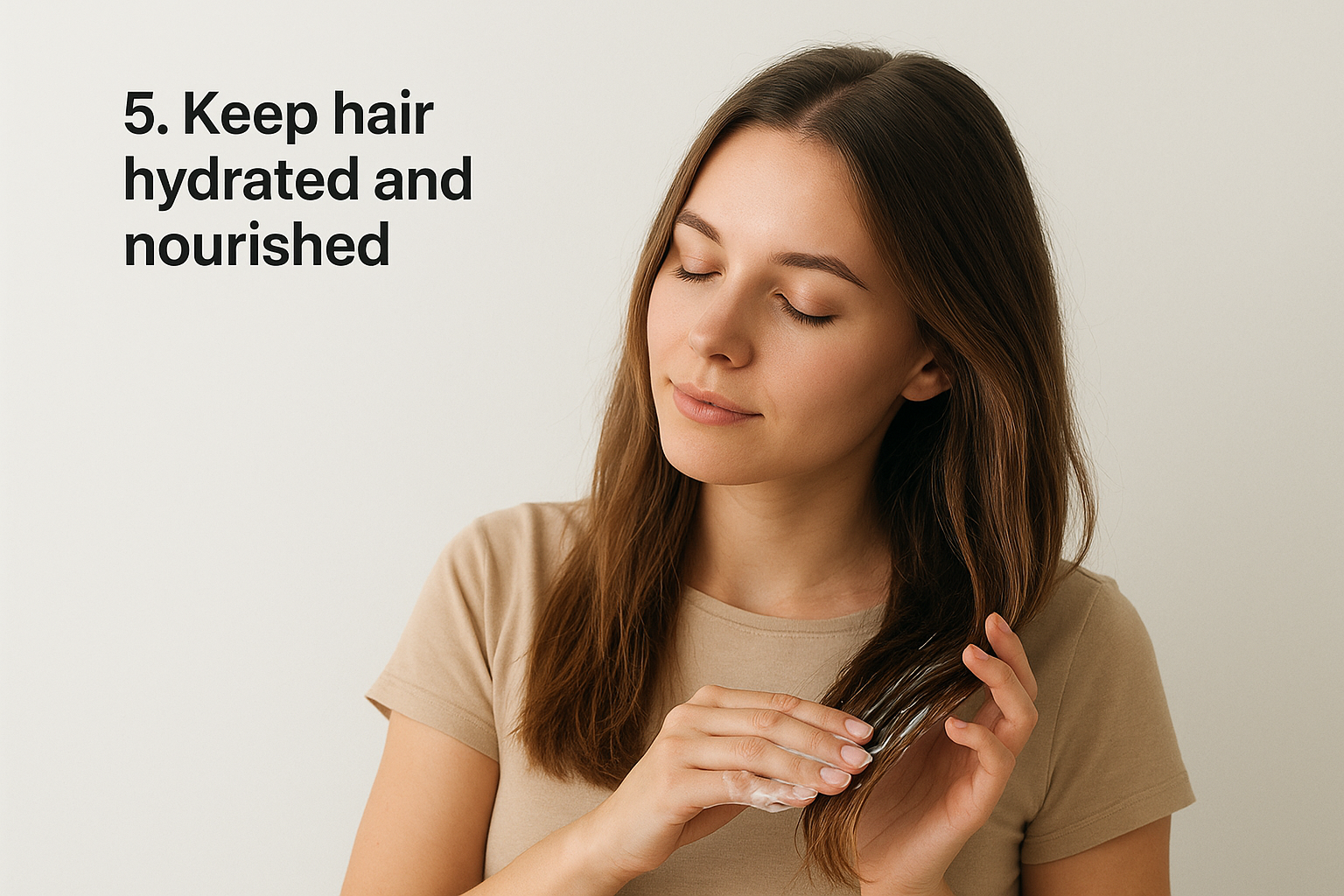
Dry hair breaks easily, creating the perfect conditions for split ends to form and multiply. Your hair needs consistent moisture and nutrients to maintain the flexibility that prevents splitting. Without proper hydration, strands become brittle and snap at the slightest tension, turning healthy ends into damaged ones within weeks.
Why this helps prevent split ends
Hydrated hair stays elastic enough to withstand daily stress from brushing, styling, and environmental exposure. When your strands lack moisture, the outer cuticle layer lifts and cracks, exposing the inner cortex to damage. Nourishing treatments fill these gaps with protective ingredients that seal the cuticle and reinforce weak spots before they split completely.
Knowing how to prevent split ends requires understanding that moisture acts as your hair's natural defense system against breakage.
Step by step how to do it
Apply a deep conditioning mask once weekly to dry or damaged ends. Leave the treatment on for at least ten minutes, or follow package directions for intensive repair. Between masks, use a leave-in conditioner on damp hair after every wash to lock in moisture throughout the day. Focus these products from mid-shaft to ends where damage happens most.
Product and tool tips
Beautifully Within carries hydrating hair care products specifically designed to prevent split end formation. Look for masks containing ingredients like keratin, argan oil, or shea butter that penetrate the hair shaft. Spray bottles make leave-in application easier and help you distribute product evenly without over-saturating.
Extra tips and mistakes to avoid
Don't apply heavy oils or masks to your roots, which causes greasiness without benefiting your ends. Skip products with high alcohol content that strip moisture instead of adding it. Avoid washing hair daily, which removes natural oils your ends need to stay hydrated and protected.
6. Turn down the heat styling
Heat styling tools damage hair faster than almost any other styling method. Your flat iron, curling wand, and blow dryer cook moisture out of your strands, making them brittle and prone to splitting. Each time you apply heat above 350°F, you weaken the protein bonds that keep your hair strong, creating the perfect conditions for splits to form.
Why this helps prevent split ends
High temperatures literally boil the water inside your hair shaft, leaving it dry and fragile. This thermal damage breaks down the protective cuticle layer that shields your ends from splitting. Reducing your heat styling frequency and lowering tool temperatures gives your hair time to recover its natural moisture balance and rebuild damaged areas.
Learning how to prevent split ends means accepting that your styling tools can become your hair's worst enemy without proper temperature control.
Step by step how to do it
Lower your tool temperature to the minimum setting that still achieves your desired style. Fine or damaged hair needs 300°F or less, while thick or coarse hair rarely requires more than 380°F. Allow your hair to air dry 70% of the way before using a blow dryer to minimize heat exposure time. Limit hot tool use to two or three times per week maximum.
Product and tool tips
Apply a heat protectant spray to every section before styling. These products create a barrier between your hair and the hot tool, reducing direct heat damage. Choose tools with adjustable temperature controls and ceramic plates that distribute heat evenly.
Extra tips and mistakes to avoid
Never style soaking wet hair with heat tools, which causes severe damage as water boils inside the shaft. Skip the highest temperature setting unless your hair genuinely won't cooperate at lower temps.
7. Protect hair while you sleep
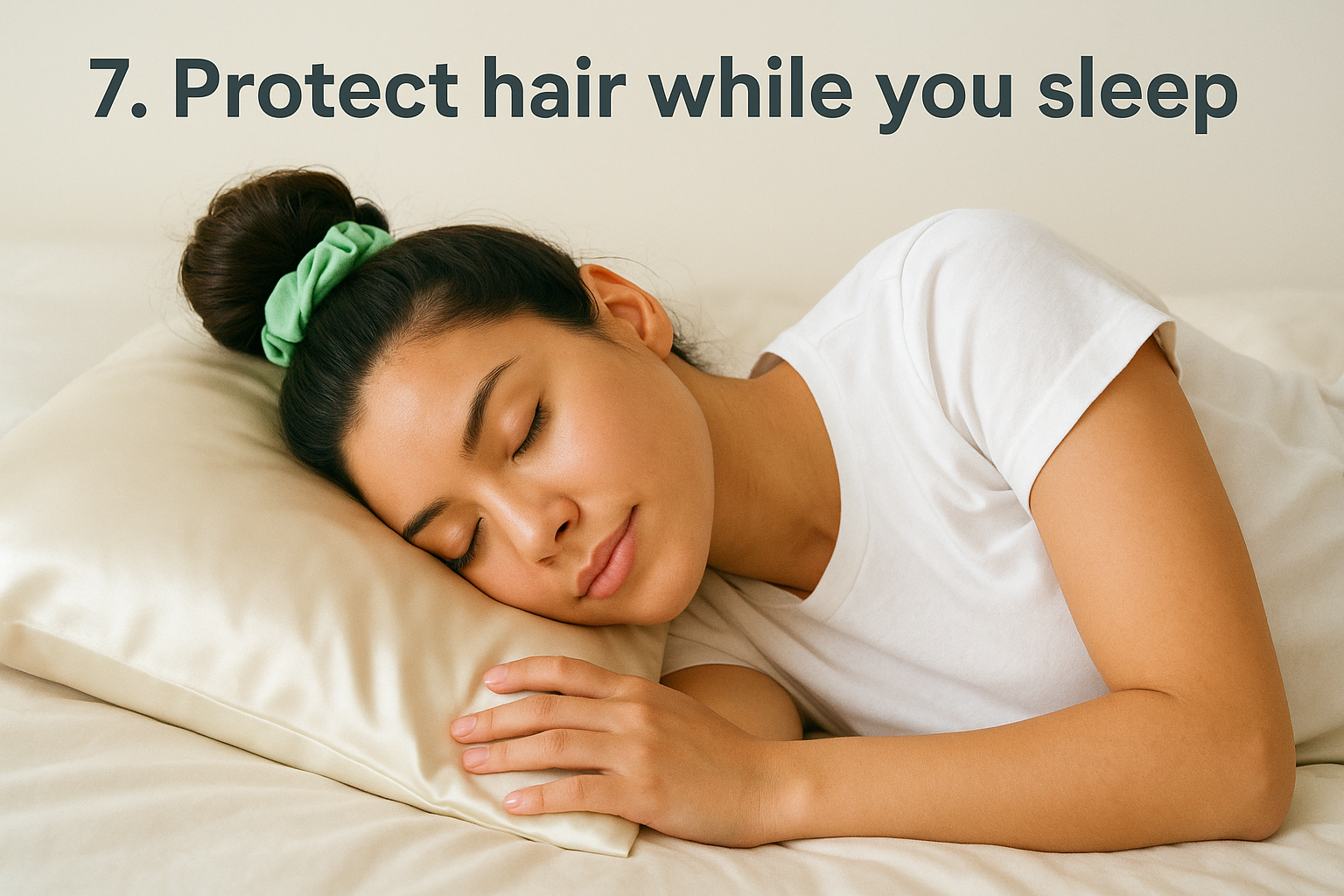
Tossing and turning during sleep creates friction that damages your hair every single night. Your cotton pillowcase acts like sandpaper against delicate strands, roughing up the cuticle and causing splits you won't notice until weeks later. Eight hours of friction adds up to serious damage over time, making your nighttime routine just as important as your daytime care.
Why this helps prevent split ends
Friction during sleep pulls and tugs at individual strands, weakening the hair shaft where it rests against your pillow. Cotton fabric grabs moisture from your hair while creating maximum friction, leaving ends dry and vulnerable to splitting. Protective sleep habits reduce this overnight damage by minimizing friction and maintaining moisture levels while you rest.
Step by step how to do it
Switch to a silk or satin pillowcase that lets your hair glide smoothly as you move during sleep. Gather your hair into a loose, high bun secured with a scrunchie instead of an elastic band. Alternatively, braid your hair loosely to keep strands contained without creating tension points.
Understanding how to prevent split ends includes recognizing that nighttime protection matters as much as your daytime routine.
Product and tool tips
Choose 100% mulberry silk pillowcases for maximum slip and moisture retention. Satin bonnets or sleep caps work well if you prefer keeping hair completely covered. Use fabric scrunchies instead of elastic bands to secure overnight styles without creasing or breaking hair.
Extra tips and mistakes to avoid
Never sleep with wet hair, which becomes more vulnerable to damage and breakage during friction. Skip tight ponytails or buns that pull on your scalp and create stress points where splits form easily.
8. Be kinder with color and chemicals
Chemical treatments strip your hair's natural protective barriers faster than any other damaging habit. Bleach, permanent color, relaxers, and perms break down the protein structure that keeps your strands strong, leaving ends exposed and vulnerable. Each chemical process weakens your hair progressively, and combining treatments multiplies the damage exponentially.
Why this helps prevent split ends
Chemical processes open your hair cuticle to deposit or remove pigment, disrupting the natural structure that prevents splitting. This artificial manipulation leaves your hair shaft porous and weak, especially at the ends where product concentration tends to be highest. Spacing out treatments gives your hair time to rebuild its protein bonds and restore the protective barriers that keep splits from forming.
Mastering how to prevent split ends means recognizing that less frequent chemical treatments protect your hair better than any repair product can fix damage after it happens.
Step by step how to do it
Wait at least eight weeks between chemical treatments to give your hair recovery time. Choose single-process color over bleach or highlights when possible, which causes less structural damage. Apply chemical treatments only to new growth rather than overlapping onto previously processed hair. Consider semi-permanent options that deposit color without lifting your natural pigment.
Product and tool tips
Beautifully Within offers strengthening treatments designed to rebuild hair between chemical services. Look for products containing keratin or protein that reinforce damaged areas. Use a clarifying shampoo before chemical treatments to remove buildup that can interfere with even color application.
Extra tips and mistakes to avoid
Never combine multiple chemical services in one session, like coloring and perming together. Skip at-home chemical treatments if your hair already shows damage, which compounds existing problems. Avoid processing hair that feels dry or brittle until you've restored moisture and strength through intensive conditioning treatments.
9. Shield ends from daily wear and weather
Environmental exposure wears down your hair just like sun exposure damages your skin. Wind tangles and weakens strands, UV rays break down protein bonds, and cold air strips moisture from ends faster than your conditioner can replace it. Every time you step outside, your hair faces elements that create the dry, brittle conditions where splits thrive.
Why this helps prevent split ends
Daily environmental stress accumulates gradually until your ends can't recover between exposures. Sun damage weakens the protective cuticle layer while wind creates friction that roughs up the surface of each strand. Cold, dry air pulls moisture from your hair shaft, leaving ends vulnerable to cracking and splitting at the slightest tension.
Learning how to prevent split ends means treating your hair like you treat your skin by protecting it from harsh environmental conditions.
Step by step how to do it
Apply a leave-in UV protectant before spending extended time outdoors. Cover your hair with a silk scarf or hat during windy conditions to minimize friction. Keep hair in protective styles like loose braids when you know you'll face harsh weather. Rinse chlorine and salt water from your hair immediately after swimming.
Product and tool tips
Choose UV protection sprays specifically formulated for hair rather than general styling products. Beautifully Within offers protective treatments that shield against environmental damage. Keep a travel-size leave-in conditioner in your bag for quick moisture boosts throughout the day.
Extra tips and mistakes to avoid
Never expose wet hair to extreme cold, which makes strands snap like frozen rubber bands. Skip tight protective styles that create their own damage while trying to prevent environmental exposure.
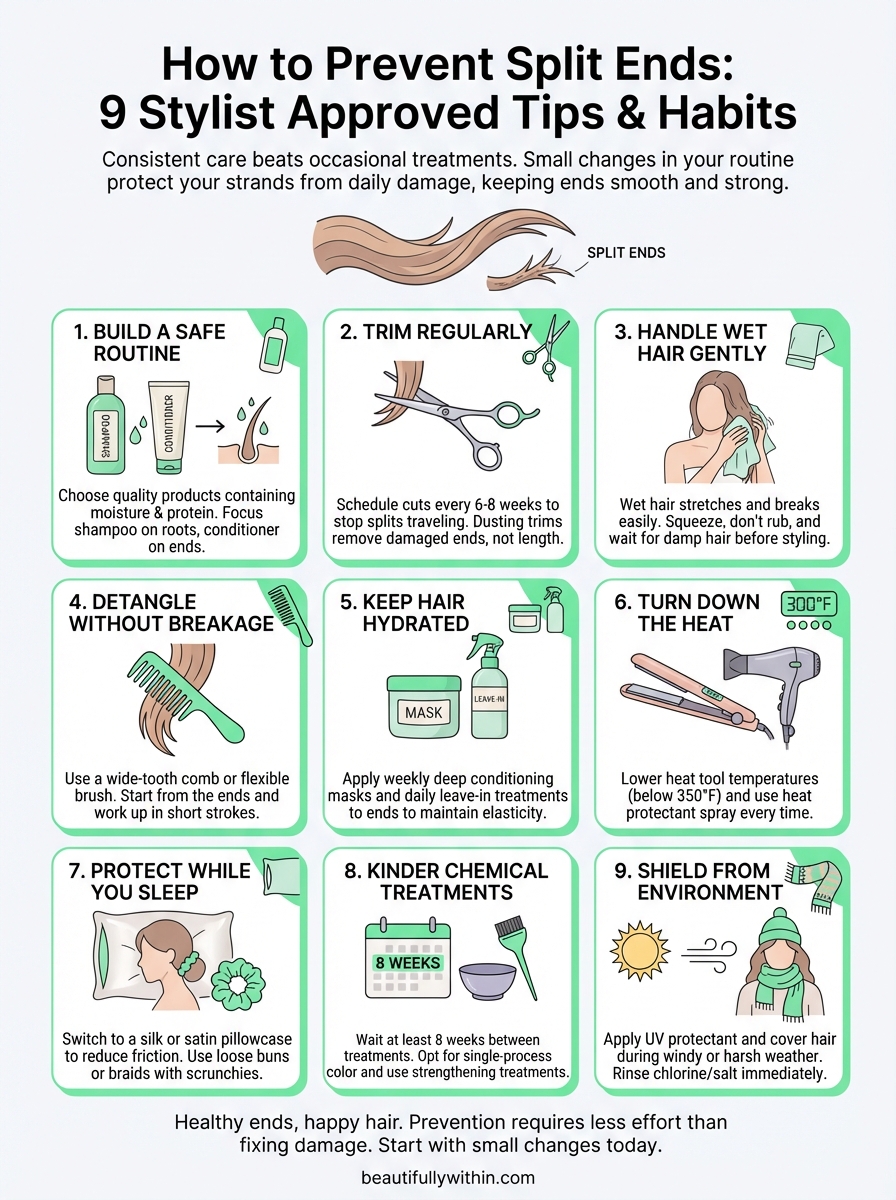
Healthy ends, happy hair
Split ends don't have to control your hair's health or appearance anymore. The nine techniques you've learned work together to protect your strands from the daily damage that causes splitting. Consistent care beats occasional treatments every time, and small changes in your routine add up to major improvements in how your ends look and feel. Prevention requires less effort than fixing damage after it happens.
You now understand how to prevent split ends through gentle handling, proper hydration, reduced heat exposure, and protective habits that shield your hair from environmental stress. Each technique addresses a specific cause of damage, giving you multiple ways to strengthen your hair defense system. Start with the changes that fit your lifestyle easiest, then build from there.
Browse Beautifully Within's hair care collection to find the products that support your split end prevention routine. Quality formulations make implementing these techniques simpler by delivering the moisture, protection, and nourishment your ends need to stay strong and split-free.With love and radiance as always -Lindsey Mckee (owner)
✨ Shop the Look at Beautifully Within
Loved this guide? Discover our hand-picked picks that pair perfectly with your routine:
- 👉 Fresh Start Hydrating Cleanser & Toner Duo — Skincare Set
New customer? Get 15% off orders $50+ with code WITHIN15 — plus free shipping over $75.
0 comments