

Shampoo is a cleansing product you apply to your hair and scalp to remove dirt, oil, and buildup. Most formulas contain surfactants that create lather and lift away impurities, plus conditioning agents that help your hair feel smooth after rinsing. You can find shampoos in liquid, solid bar, and powder forms, each designed to clean while addressing specific hair needs like dryness, oiliness, or damage.
This guide breaks down everything you need to know about choosing the right shampoo for your hair type and concerns. You'll learn how different ingredients work, what the main shampoo categories offer, and which formulas deliver real results versus empty promises. We'll also share practical tips for getting the most from your shampoo routine. Whether you're dealing with frizz, thinning hair, or color-treated strands, you'll walk away knowing exactly what to look for when shopping and how to use shampoo effectively.
Why the shampoo you use really matters
Your hair's health depends heavily on the shampoo you choose because it directly contacts your scalp and strands multiple times per week. The wrong formula can strip natural oils, trigger irritation, or leave behind residue that weighs down your hair and dulls its appearance. Meanwhile, the right shampoo matches your hair type and addresses your specific concerns, helping you maintain stronger, shinier, and more manageable hair over time.
How shampoo affects your scalp health
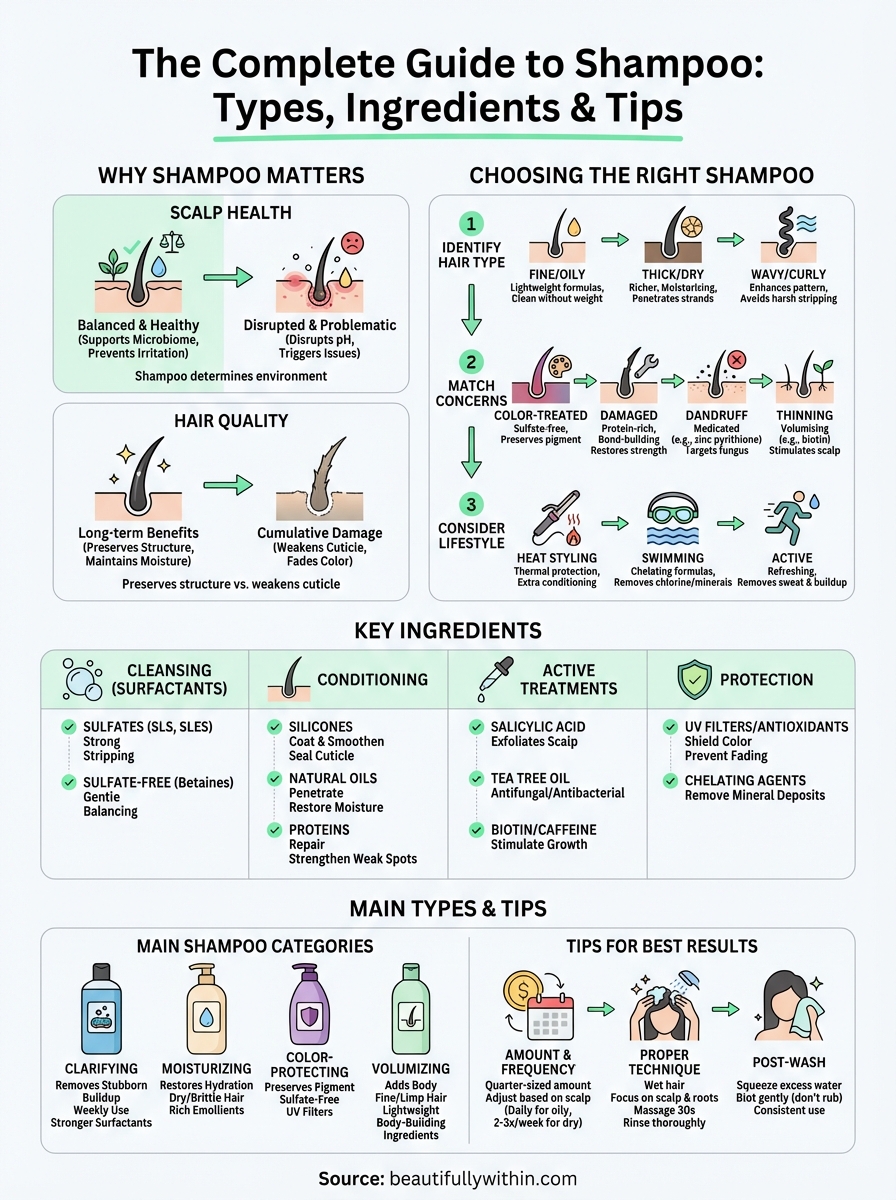
Your scalp acts like the soil for your hair follicles, and shampoo determines whether that environment stays balanced or becomes problematic. Formulas with harsh sulfates can disrupt your scalp's natural pH level, leading to dryness, flakiness, or excess oil production as your skin tries to compensate. When you consistently use a shampoo that irritates your scalp, you might experience itching, inflammation, or even temporary hair shedding.
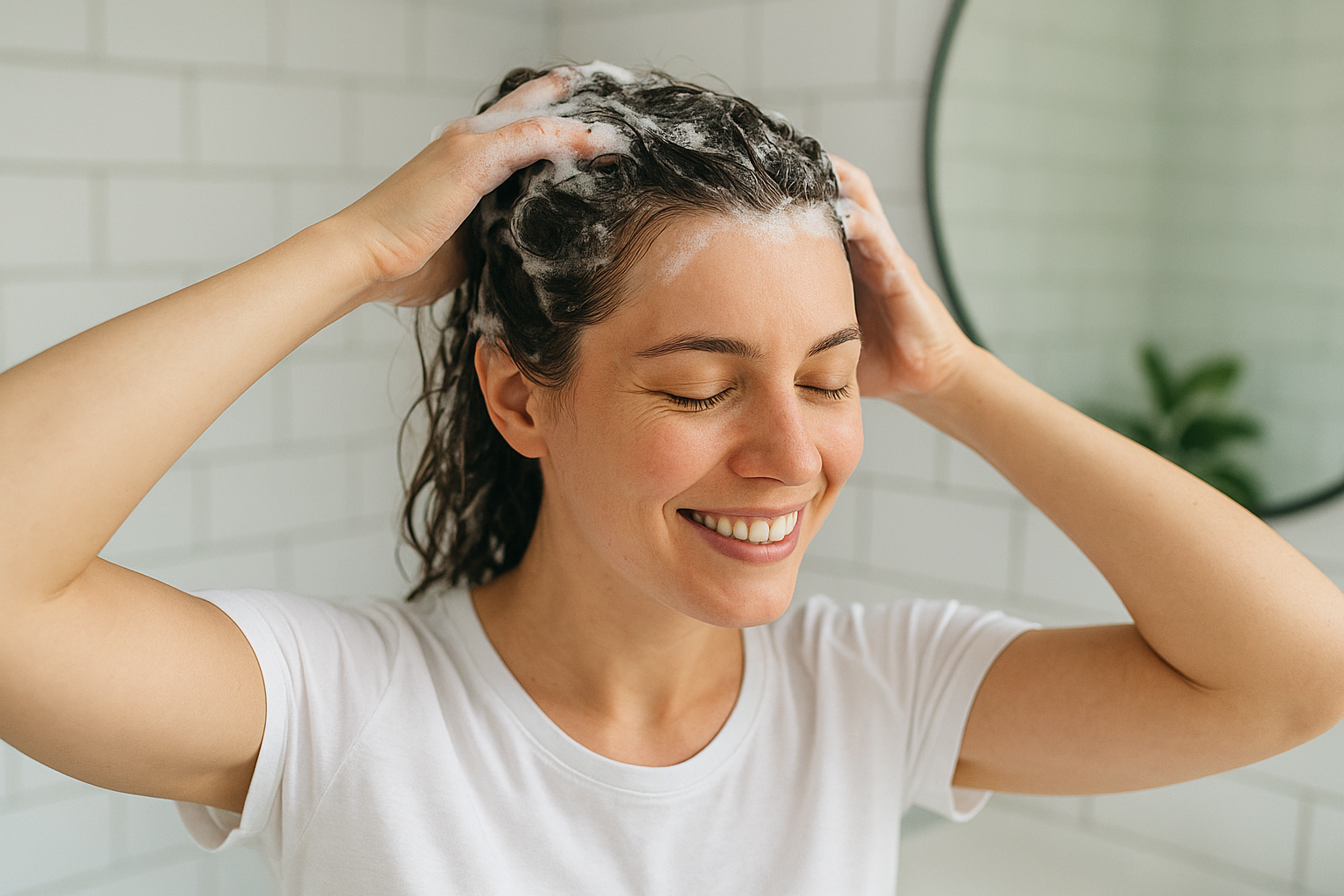
The ingredients in your shampoo don't just wash away, they interact with your scalp's microbiome and can either support or damage the health of your hair follicles.
Products designed for your scalp type create the foundation for healthy growth. If you have sensitive skin, you need gentle cleansers that won't trigger reactions. For those dealing with oil buildup, a clarifying formula removes sebum without over-stripping.
The long-term impact on hair quality
Regular use of the wrong shampoo creates cumulative damage that becomes harder to reverse. Color-treated hair fades faster with standard formulas, while dry hair grows more brittle when you strip its protective oils repeatedly. Each wash either preserves your hair's structure or weakens the cuticle layer that shields each strand.
You save money in the long run by choosing a quality shampoo that protects your hair rather than forcing you to buy extra treatments, masks, and serums to fix damage. The right product reduces breakage, maintains moisture balance, and keeps your hair looking fresh between salon visits.
How to choose the right shampoo for you
Selecting the right shampoo starts with understanding your hair's current condition and what you need it to do. You can't rely on marketing claims alone because what works for someone with fine, oily hair will create problems for thick, dry strands. The best approach involves assessing your hair type, identifying specific concerns, and considering your daily styling habits before you commit to a product.
Identify your hair type first
Your natural hair texture determines which formulas will work with your strands rather than against them. Fine hair requires lightweight shampoos that clean without adding weight, while thick or coarse hair benefits from richer, more moisturizing formulas that penetrate dense strands. If you have wavy or curly hair, you need products that enhance your pattern without creating frizz, which usually means avoiding harsh sulfates that strip natural oils.

Pay attention to how your scalp behaves between washes. An oily scalp produces excess sebum and feels greasy within a day or two, requiring a clarifying or balancing shampoo that controls oil production. Dry scalps feel tight or flaky and need gentle, hydrating formulas that won't strip away protective oils. Combination types show oiliness at the roots but dryness at the ends, calling for a targeted approach.
Match shampoo to your specific concerns
Once you know your hair type, address any active problems you're dealing with. Color-treated hair fades quickly with regular shampoos, so you need sulfate-free formulas designed to preserve pigment and prevent brassiness. For damaged or chemically processed hair, look for protein-rich or bond-building shampoos that repair broken bonds and restore strength.
The most effective shampoo solves your primary hair concern while respecting your hair type, not the other way around.
Dandruff requires medicated shampoos containing ingredients like zinc pyrithione or selenium sulfide that target the underlying fungal cause. If you're experiencing thinning or hair loss, choose volumizing formulas with biotin or caffeine that stimulate the scalp and create the appearance of fuller hair.
Consider your styling routine and lifestyle
Your daily habits influence which shampoo formula delivers the best results. If you use heat styling tools regularly, you need products with thermal protection or extra conditioning agents that compensate for heat damage. People who swim frequently require chelating shampoos that remove chlorine and mineral buildup before it damages hair structure.
Think about how often you actually wash your hair. Daily washers need extremely gentle formulas that won't over-strip, while those who go several days between washes can handle slightly stronger cleansers. Athletes or people with active lifestyles benefit from refreshing formulas that remove sweat and buildup without requiring daily washing.
Key shampoo ingredients to understand
Reading shampoo labels helps you make informed decisions, but the ingredient lists can feel overwhelming when you don't know what each component actually does. The formulas contain several categories of ingredients that work together to clean, condition, protect, and treat your hair and scalp. Understanding the main players in your shampoo gives you the power to identify which products will help versus harm your specific hair type and concerns.
Cleansing agents and surfactants
Surfactants form the cleaning foundation of every shampoo formula, creating the lather that lifts away dirt, oil, and product buildup from your hair and scalp. The type of surfactant determines how aggressive or gentle the cleansing action feels. Sulfates like sodium lauryl sulfate (SLS) and sodium laureth sulfate (SLES) clean powerfully but can strip natural oils and irritate sensitive scalps, making them problematic for dry or color-treated hair.
Gentler alternatives include cocamidopropyl betaine, derived from coconut oil, and decyl glucoside, which clean effectively without harsh stripping. These milder surfactants cost manufacturers more to use but provide a better experience for most hair types. You'll find sulfate-free formulas rely on these gentler cleansers to maintain your hair's moisture balance while still removing unwanted buildup.
The surfactants in your shampoo directly determine whether your hair feels clean and soft or stripped and tangled after washing.
Conditioning and moisturizing ingredients
Conditioning agents counteract the drying effects of cleansing by coating hair strands with a protective layer that improves manageability and shine. Silicones such as dimethicone and cyclomethicone create smooth, frizz-free results by forming a light barrier that seals the cuticle. While some people avoid silicones fearing buildup, water-soluble versions rinse away cleanly and cause no problems for most hair types.
Natural oils like argan, coconut, and jojoba penetrate the hair shaft to restore moisture from within rather than simply coating the surface. Humectants such as glycerin and panthenol attract water to your hair, keeping it hydrated throughout the day. Proteins including keratin, silk, and wheat amino acids fill in damaged areas along the cuticle, temporarily repairing weak spots and preventing breakage.
Active treatment ingredients
Treatment ingredients address specific scalp and hair concerns beyond basic cleansing and conditioning. Salicylic acid exfoliates the scalp to remove dead skin cells and control dandruff, while tea tree oil provides natural antifungal and antibacterial properties. For thinning hair, look for caffeine, biotin, or niacinamide, which stimulate blood flow to follicles and support healthier growth.
Color-protecting ingredients like UV filters and antioxidants such as vitamin E shield dyed hair from fading caused by sun exposure and oxidation. Chelating agents including EDTA remove mineral deposits from hard water that can dull your hair's appearance. These specialized ingredients transform shampoo from a simple cleanser into a targeted treatment that solves problems while you wash.
The main types of shampoo
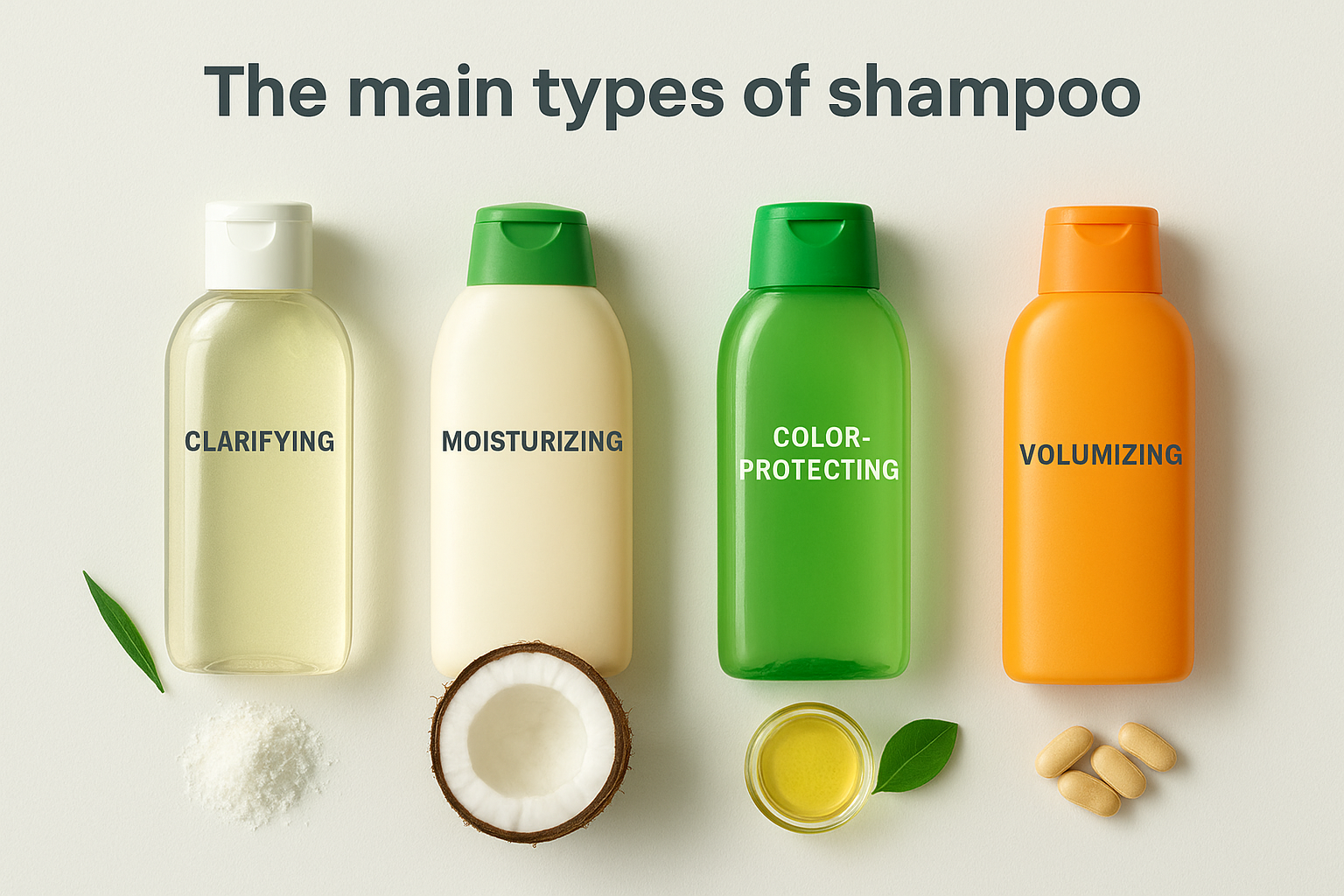
The shampoo market offers specialized formulas designed to target different hair needs, and understanding the main categories helps you narrow down which type serves your goals. Each category contains specific ingredients and cleansing strengths tailored to solve particular problems or maintain certain hair conditions. Choosing the right type means your daily hair care routine becomes more effective rather than working against your natural texture or treatment goals.
Clarifying and deep-cleansing shampoos
Clarifying formulas use stronger surfactants to remove stubborn buildup from styling products, hard water minerals, chlorine, and excess sebum that regular shampoos can't eliminate. You need this type when your hair feels heavy, dull, or coated despite washing regularly. These shampoos work best as a weekly or bi-weekly treatment rather than daily use since their powerful cleansing action can strip too much oil with frequent application.
Clarifying shampoos reset your hair by removing everything accumulated on the surface, creating a clean slate for other products to work more effectively.
Moisturizing and hydrating shampoos
Hydrating formulas contain rich emollients and oils that clean gently while adding moisture back to dry, brittle, or chemically treated hair. These shampoos typically avoid sulfates and instead use mild surfactants combined with ingredients like shea butter, coconut oil, or hyaluronic acid. If your hair feels rough, breaks easily, or lacks shine, a moisturizing shampoo becomes your foundation for restoring softness and flexibility.
Color-protecting shampoos
Color-safe formulas preserve dyed hair pigments by using sulfate-free cleansers that won't strip color molecules from your hair shaft. They often include UV filters to prevent sun-related fading and antioxidants that combat oxidation, which causes brassiness in blonde tones or dullness in vibrant shades. You get the most value from these shampoos when you use them consistently after any coloring service, whether permanent, semi-permanent, or highlights.
Volumizing and thickening shampoos
Volumizing products clean away oils and residue that weigh down fine or limp hair while adding body-building ingredients like polymers, proteins, or keratin. These formulas coat each strand to create the appearance of fuller, thicker hair without leaving heavy buildup. The best volumizing shampoos balance thorough cleansing with lightweight conditioning, so your hair gains lift at the roots while maintaining softness throughout the lengths.
Tips for using shampoo for best results
The way you apply shampoo matters just as much as which formula you choose because poor washing techniques waste product, leave residue behind, or fail to clean your scalp properly. Most people use too much product, skip essential steps, or rush through the process without giving the formula time to work. Following proven washing practices transforms your results without requiring expensive products or complicated routines.
How much and how often to wash
You only need a quarter-sized amount of shampoo for short to medium-length hair, while longer or thicker hair requires roughly a half-dollar size. Using more product doesn't clean better; it just makes rinsing harder and wastes money. Your washing frequency depends on your scalp's oil production and lifestyle rather than following a strict schedule. Oily scalps benefit from daily or every-other-day washing, while dry or textured hair stays healthier with two to three washes per week.
Overwashing strips your scalp's natural protective oils, triggering increased oil production that makes your hair feel greasier faster.
Pay attention to how your hair responds rather than following trends about washing less. Active lifestyles, humid climates, and fine hair textures typically require more frequent washing than the three-day rule suggests.
Proper application technique
Apply shampoo to wet hair only, never dry strands, since water activates the surfactants that create lather and lift away dirt. Focus the product on your scalp and roots where oil and buildup accumulate, using your fingertips to massage in circular motions for at least 30 seconds. The lather that rinses down your lengths cleans the rest of your hair without requiring direct application to the ends.
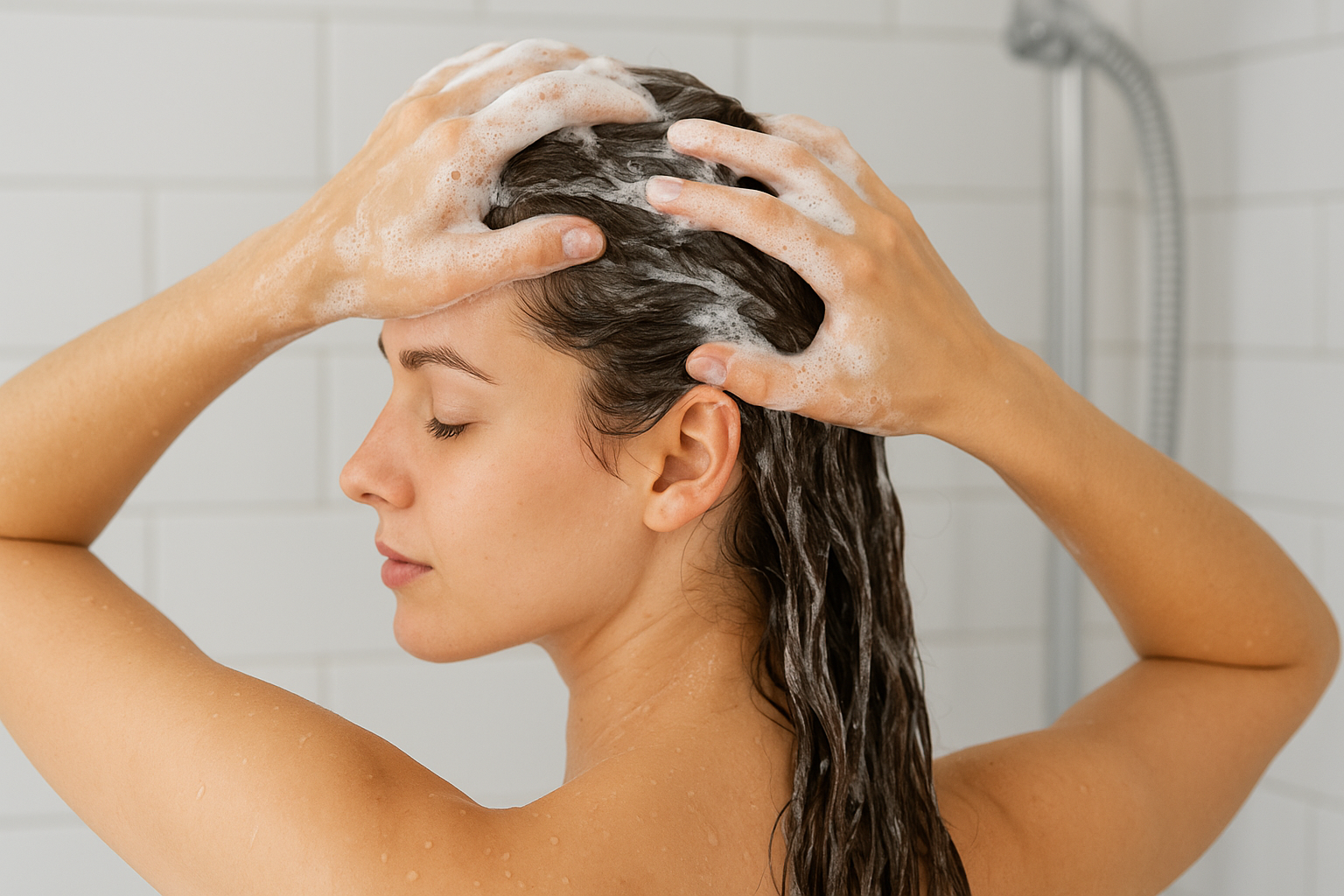
Rinse thoroughly with lukewarm water until the water runs completely clear and your hair feels squeaky when you run your fingers through it. Leftover shampoo residue weighs down hair, dulls shine, and can irritate your scalp. A second lather works well after using heavy styling products or going several days between washes.
Post-wash practices that matter
Squeeze excess water from your hair before applying conditioner since soaking-wet strands prevent conditioning agents from penetrating properly. Avoid rubbing your hair with a towel, which creates friction and breakage; instead, gently press and blot to remove moisture. Your shampoo works best when you maintain consistency with the same formula for at least four to six weeks, giving your hair time to adjust and show real improvements.
Final thoughts on shampoo
Your shampoo choice affects everything from scalp health to hair texture, so treating it as an afterthought leaves results on the table. The right formula addresses your specific hair type and concerns while protecting your investment in color treatments or styling routines. You get better outcomes when you understand ingredient labels, apply product correctly, and stay consistent with formulas that work for your needs.
Quality shampoo doesn't require a huge budget, but it does require attention to what your hair actually needs versus what marketing promises. Start by identifying your hair type, match products to your concerns, and give new formulas at least a month to show real changes. When you're ready to upgrade your hair care routine with products designed for results, explore our collection at Beautifully Within for shampoos and treatments that deliver on their promises.
✨ Shop the Look at Beautifully Within
Loved this guide? Discover our hand-picked picks that pair perfectly with your routine:
- 👉 Ginger Root Nourishing Shampoo & Conditioner Set — Hair Care
New customer? Get 15% off orders $50+ with code WITHIN15 — plus free shipping over $75.
0 comments