

Natural Exfoliants for Face: 5 Gentle Options by Skin Type
You want glowing skin without the irritation that comes from harsh chemical peels or abrasive scrubs. Maybe you've tried store bought exfoliants that left your face red and angry. Or perhaps you're just curious about gentler ways to slough off dead skin cells using ingredients you can actually pronounce. The truth is that not all exfoliants work the same way, and what brightens your friend's complexion might wreck yours.
This guide breaks down five natural exfoliation methods matched to different skin types. You'll learn which gentle ingredients tackle your specific concerns, from calming oat masks for sensitive faces to clarifying clay treatments for acne prone skin. Each section includes simple DIY recipes you can make at home, plus product recommendations when you'd rather skip the mixing bowl. By the end, you'll know exactly how to exfoliate your face naturally without guessing or gambling with your skin's health.
1. Oat and honey for dry and sensitive skin
Dry and sensitive skin needs extra care during exfoliation because aggressive scrubbing strips away protective oils your face desperately needs. Oat and honey work together as natural exfoliants for face that cleanse without causing irritation. These ingredients moisturize while they remove dead cells, making them perfect when your skin feels tight or reacts to most products.
Understand how exfoliation works
Exfoliation removes the outer layer of dead skin cells that make your complexion look dull and flaky. Your skin naturally sheds these cells, but the process slows down as you age or when your moisture barrier weakens. Gentle exfoliation speeds up this renewal without damaging healthy skin underneath, revealing the fresh cells that give you that coveted glow.
Why oat and honey calm dry and sensitive skin
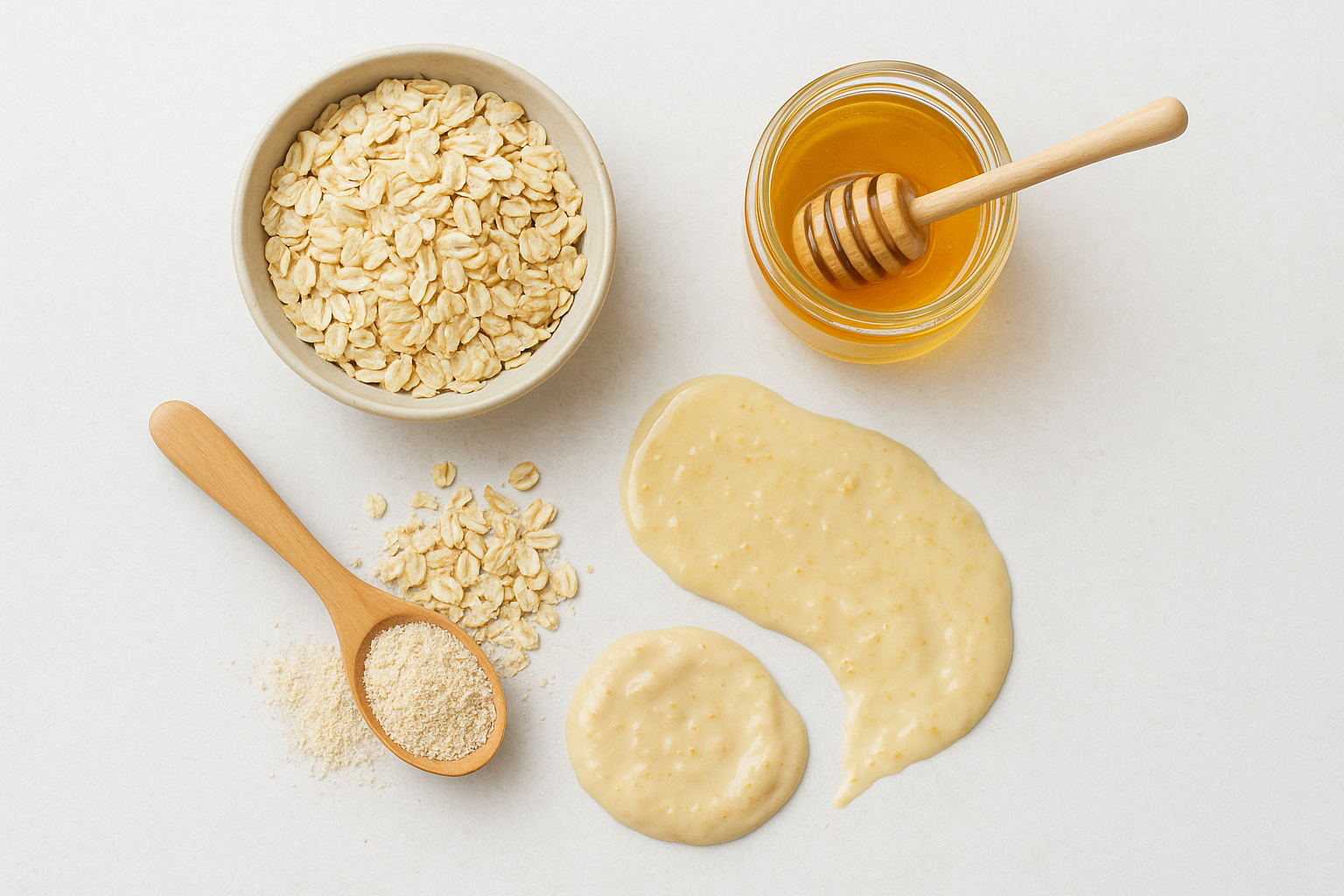
Colloidal oatmeal contains beta-glucan that soothes inflammation while gently buffing away rough patches. Raw honey acts as a natural humectant that draws moisture into your skin instead of stripping it away. Together, they create a creamy texture that won't scratch delicate faces the way crushed walnut shells or apricot kernels do.
Oat and honey naturally repair your skin barrier while they exfoliate, making them ideal for faces that flare up easily.
DIY oat and honey exfoliant recipe
Mix 2 tablespoons of ground oats with 1 tablespoon of raw honey and add enough warm water to form a paste. Apply the mixture to damp skin using circular motions for 30 seconds, then let it sit for 5 minutes. Rinse with lukewarm water and pat your face dry.
Beautifully Within products to consider
Look for facial scrubs that list colloidal oatmeal in the first three ingredients. Products combining oats with calendula or chamomile offer additional soothing benefits for reactive skin. Check our Facial Scrubs collection for formulas designed specifically for sensitive complexions.
How often to exfoliate dry and sensitive skin
Exfoliate your face once per week if your skin feels tight or gets irritated easily. You can increase to twice weekly once your skin adjusts, but never go beyond that frequency. Stop immediately if you notice redness or burning.
2. Lactic acid for dull or mature skin
Dull or mature skin accumulates dead surface cells faster than younger complexions because cell turnover slows with age. Lactic acid offers a chemical exfoliation method that dissolves the bonds holding dead cells together instead of physically scrubbing them away. This gentle alpha hydroxy acid brightens without causing the micro-tears that rough scrubs leave behind on aging skin.
What lactic acid does for facial skin
Lactic acid penetrates your outer skin layer to break down the glue between dead cells, making them easy to rinse away. Your body responds by producing fresh collagen and pushing new cells to the surface, which reduces fine lines over time. Unlike glycolic acid, lactic acid has larger molecules that work more slowly and cause less irritation on sensitive mature faces.
Lactic acid exfoliates while hydrating your skin, making it the smartest choice when dullness meets dryness.
Natural sources of lactic acid to look for
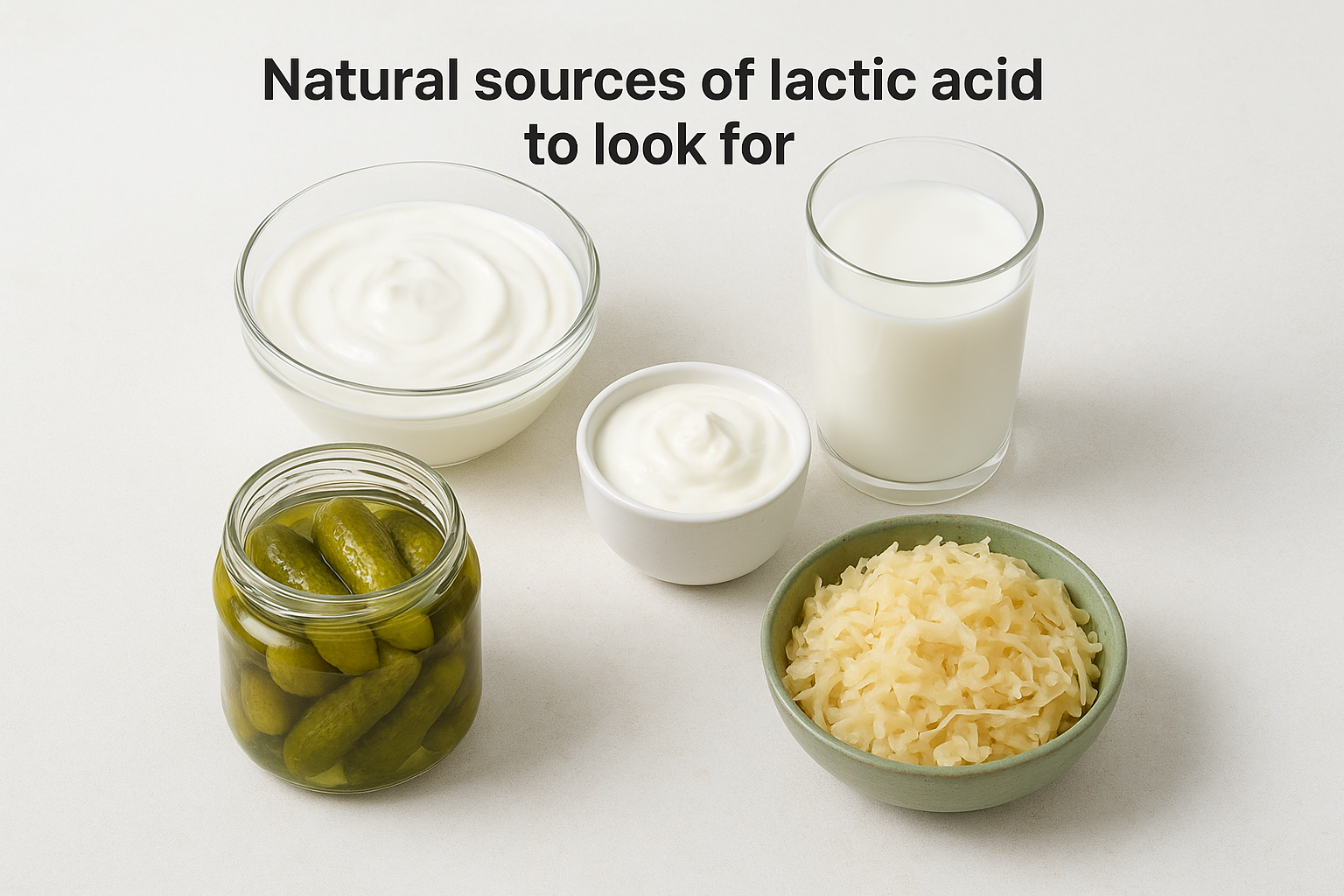
Fermented milk products contain the highest concentrations of lactic acid you can find naturally. Plain yogurt, sour milk, and buttermilk all work as natural exfoliants for face treatments when applied directly to skin. Pickled vegetables and fermented foods also contain lactic acid, though dairy sources remain most popular for skincare.
Build a lactic acid exfoliation routine
Start with a 5% lactic acid product applied three times per week after cleansing. Smooth a thin layer across your face, avoiding your eye area, and leave it on for the recommended time. Rinse thoroughly and follow with moisturizer to lock in hydration, then apply sunscreen every morning since acids increase sun sensitivity.
Safety tips for using lactic acid at home
Always patch test lactic acid on your inner forearm 24 hours before applying it to your face. Stop using retinol or other active ingredients on nights when you exfoliate with lactic acid to prevent over-exfoliation. Never exceed a 10% concentration for home use without professional guidance.
3. Fruit enzymes for normal combination skin
Normal combination skin handles fruit enzyme exfoliation better than most complexions because it doesn't skew too dry or too oily. Enzymes from tropical fruits dissolve dead skin cells through a biochemical reaction instead of physical scrubbing, which prevents the irritation that can throw balanced skin off track. This method works perfectly when your T-zone needs attention but your cheeks stay comfortable.

How fruit enzyme exfoliants work
Proteolytic enzymes break down the keratin protein that holds dead cells to your skin's surface. Unlike acids that dissolve the bonds between cells, enzymes actually digest the dead tissue without touching living cells underneath. Your skin releases the loosened debris naturally, revealing a smoother texture without the redness that abrasive scrubbing causes.
Fruit enzymes target only dead cells, making them one of the gentlest natural exfoliants for face care you can use.
Best fruit enzymes for face exfoliation
Papaya contains papain enzyme that works quickly on surface buildup, while pineapple offers bromelain that penetrates slightly deeper for stubborn patches. Pumpkin provides gentle enzymatic action plus vitamin A benefits that brighten as they exfoliate. Each fruit brings its own enzyme profile, so rotating between them gives your combination skin varied benefits without overwhelming either zone.
Easy fruit enzyme mask ideas
Mash 2 tablespoons of fresh papaya with 1 teaspoon of honey and apply to clean skin for 10 minutes. Alternatively, blend fresh pineapple chunks into a paste and smooth across your face for 5 minutes before rinsing. Always use fresh fruit since canned versions lose enzyme potency during processing.
How often to exfoliate normal combination skin
Exfoliate your face with fruit enzymes twice per week to maintain balanced cell turnover. Your combination skin can handle this frequency without getting irritated or producing excess oil. Reduce to once weekly if you notice sensitivity developing.
4. Clay and BHA for oily acne prone skin
Oily and acne prone skin produces excess sebum that clogs pores and creates the perfect environment for breakouts. Clay and beta hydroxy acids work as natural exfoliants for face treatments that absorb oil while clearing congestion deep inside your pores instead of just skimming the surface. This combination tackles the root causes of acne without stripping your skin so harshly that it overproduces even more oil to compensate.
Why clay and BHA help oily and acne prone faces
Kaolin and bentonite clays pull excess oil and impurities from your pores through a magnetic action that draws out debris without aggressive scrubbing. Salicylic acid, the most common natural BHA derived from willow bark, penetrates oil-filled pores to dissolve the sebum and dead cells trapped inside. Together, they prevent new breakouts while clearing existing congestion.
Clay and BHA exfoliate both the surface and inside your pores, making them essential for faces that break out regularly.
Choose gentle natural ingredients for breakouts
Look for products with willow bark extract instead of synthetic salicylic acid for a gentler approach to pore clearing. French green clay offers the strongest oil absorption, while kaolin clay works better if your acne prone skin still gets dry patches. Avoid adding harsh physical scrubs to this routine since the chemical action already provides enough exfoliation.
Step by step routine for pore clarifying exfoliation
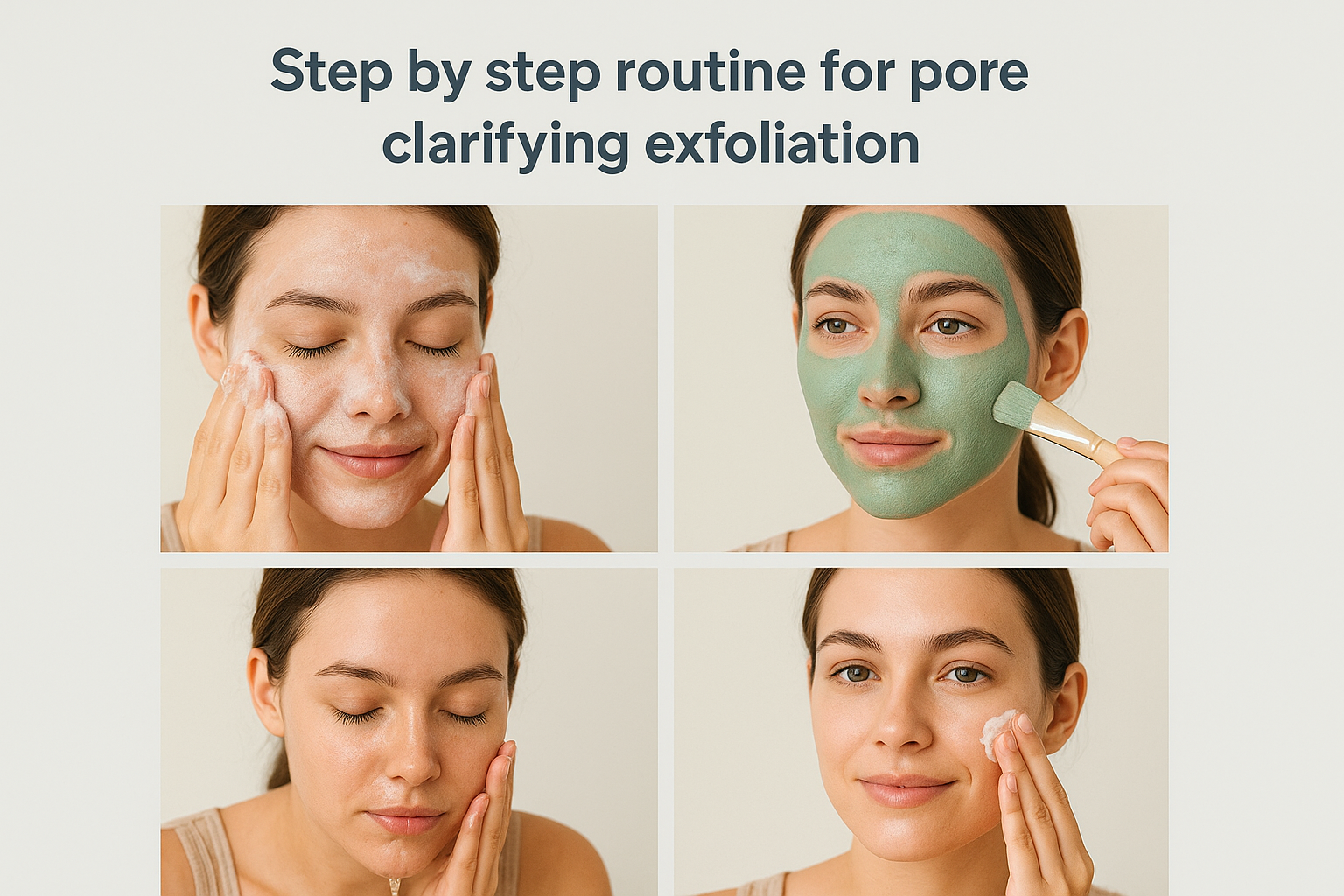
Start with a gentle cleanser to remove surface dirt and makeup from your face. Apply a thin layer of clay mask mixed with willow bark extract and leave it on for 10 minutes maximum. Rinse thoroughly with lukewarm water, then follow with an oil-free moisturizer to maintain your skin's protective barrier.
Avoid common mistakes with oily skin exfoliation
Never exfoliate more than three times per week even when breakouts frustrate you, since over-exfoliation triggers increased oil production. Skip this routine entirely on days when you use retinol or other actives to prevent excessive irritation. Always moisturize after exfoliating because skipping this step signals your skin to produce more sebum.
5. Rice and sugar polish for resilient skin
Resilient skin tolerates physical exfoliation better than other complexions because it recovers quickly from friction without developing lasting redness or irritation. Rice and sugar create a polishing action that manually buffs away dead cells through gentle scrubbing motions instead of chemical dissolution. These natural grains work best when your face can handle direct contact exfoliation without flaring up or breaking out.
When to use a physical scrub on your face
Use physical scrubs when your skin feels rough or bumpy from dead cell buildup that chemical exfoliants haven't improved. Save this method for occasions when you need immediate smoothness before an event, since the results show faster than enzyme or acid treatments. Skip physical exfoliation entirely if you have active breakouts, rosacea, or irritated skin.
Pick gentle grains and avoid harsh particles
Choose finely ground rice powder or white sugar that dissolves as you massage it into damp skin. Avoid crushed nuts, apricot kernels, or coffee grounds that contain jagged edges which scratch your face and cause micro-tears. The right particle size feels like fine sand between your fingers rather than rough pebbles.
DIY rice and sugar face polish recipe
Grind 2 tablespoons of white rice into a fine powder using a coffee grinder, then mix with 1 tablespoon of white sugar and enough coconut oil to form a paste. Apply to damp skin using light circular motions for 30 seconds, then rinse thoroughly with lukewarm water.
Prep your skin before and after a scrub
Cleanse your face with warm water to soften dead cells before applying your rice and sugar polish. Pat dry after rinsing and immediately apply moisturizer to seal in hydration and protect freshly exposed skin cells.

Your next steps
You now have five proven methods for choosing natural exfoliants for face care that match your specific skin type. Each approach offers a gentle way to reveal brighter skin without the harsh chemicals or abrasive particles that cause damage. Start with the method designed for your complexion, whether that's soothing oats for sensitivity or clarifying clay for breakouts, and stick with it for at least four weeks before judging results.
Your skin responds best to consistent gentle care rather than aggressive treatments applied sporadically. Pay attention to how your face feels after each exfoliation session and adjust the frequency if you notice any irritation. Remember that natural ingredients work more slowly than harsh chemicals, but they protect your skin's long term health while delivering results.
Browse our Facial Scrubs collection to find formulations that combine the natural ingredients covered in this guide with additional nourishing botanicals. Your journey to glowing skin starts with understanding what your face actually needs, not just following trends that work for someone else's complexion.
✨ Shop the Look at Beautifully Within
Loved this guide? Discover our hand-picked picks that pair perfectly with your routine:
- 👉 Bakuchiol Gentle Retinol Alternative Serum — Serum
- 👉 Clarifying Skincare Set — Cleanser, Toner, Cream & Mask — Cleanser
- 👉 Fresh Start Hydrating Cleanser & Toner Duo — Skincare Set
- 👉 Advanced Anti-Aging Night Renewal Cream — Moisturizer
New customer? Get 15% off orders $50+ with code WITHIN15 — plus free shipping over $75.
0 comments